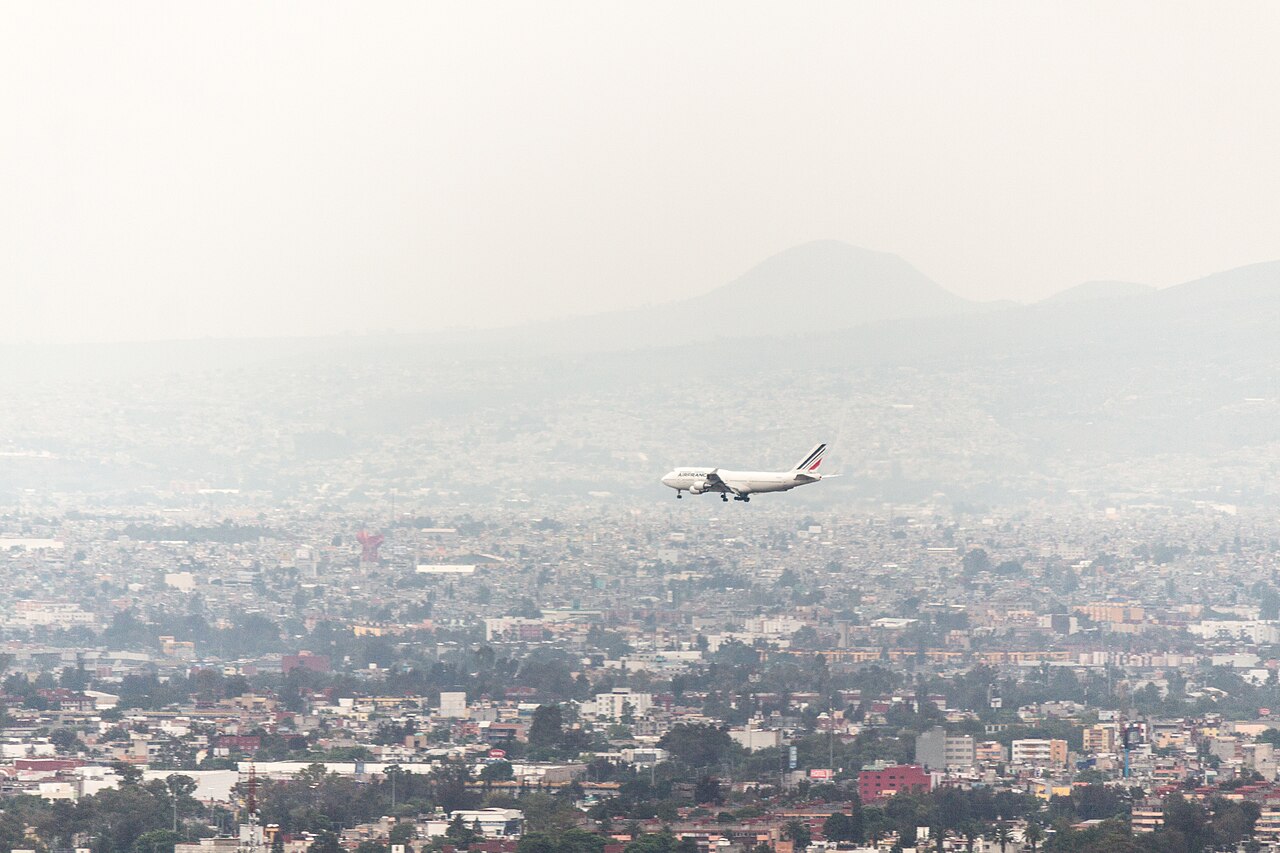
On Oct 16, 2026, the U.S. DOT cleared U.S. airlines to add new routes from Mexico City’s main airports (source). The decision seeks to boost cross-border traffic, lifting revenue outlook for carriers like American, Delta and United while supporting tourism and trade.
Market Impact & Global Context
The route approval expands the aviation market between the United States and Mexico, a corridor that accounted for over 30 million passenger trips in 2025. By granting additional slots at Mexico City’s congested airports, the DOT aims to alleviate bottlenecks that have limited frequency growth for U.S. carriers seeking to serve the nation’s capital and surrounding economic hub.
Analysts note that the move could enhance revenue streams for airlines with established Mexico exposure, while simultaneously intensifying competition on price‑sensitive leisure segments. Historically, similar liberalizations in bilateral aviation agreements have led to short‑term capacity surges followed by yield pressure unless demand growth keeps pace.
The authorization opens a new growth vector for U.S. carriers, though the real test will be whether demand can sustain the added capacity without triggering a fare war that erodes yields.
Beyond airlines, airport operators such as Grupo Aeroportuario de la Ciudad de México may see higher aeronautical fees from increased movements, while tourism‑related sectors in both countries stand to benefit from easier access. The development also adds to emerging market exposure for U.S. equity funds that hold Latin American airline stocks.
Key Takeaways for Airline Investors
- Monitor revenue upgrades for U.S. carriers with Mexico exposure as new routes roll out.
- Watch for competitive pressure on legacy fares in the Mexico‑U.S. corridor, especially on leisure routes.
- Expect increased capacity discipline as airlines adjust to new slot availability and demand signals.
- Hedge against currency volatility affecting cross‑border tourism demand and foreign‑currency revenue streams.
Frequently Asked Questions
Will the new route approvals lead to immediate fare reductions on Mexico-U.S. flights?
While additional supply can put downward pressure on fares, immediate price cuts depend on how quickly airlines fill the new seats and whether demand growth matches capacity expansion. Historically, fare adjustments in liberalized routes have emerged over several months rather than overnight.
How might the route expansion affect Mexican airport operators' earnings?
Increased flight movements typically raise aeronautical revenue for airport operators, though the magnitude depends on fee structures and any potential congestion‑related cost increases. Operators may also negotiate higher concession revenues from retail and parking as passenger volumes rise.