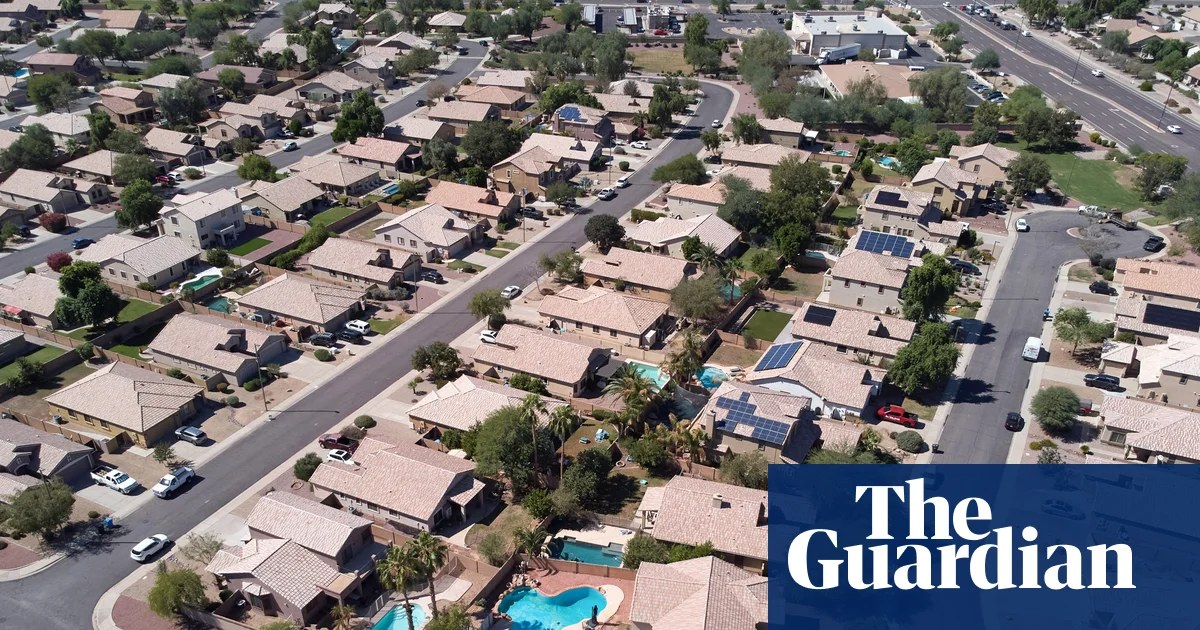
US existing home sales collapsed to a seasonally adjusted annual rate of 3.75 million in October, marking the weakest pace since August 2010, as the 30-year mortgage rate surged to 7.18% amid renewed Federal Reserve tightening and geopolitical inflation pressures. The 8.8% year-over-year decline reported by the National Association of Realtors (NAR) on Wednesday underscores a rapid reversal from early 2026, when rates had dipped below 6% for the first time in years.
Key Takeaways
- Existing home sales fell 8.8% YoY to 3.75 million SAAR in October, the slowest pace since August 2010.
- The 30-year mortgage rate averaged 7.18%, near the 2023 peak of 7.79%, driven by Fed tightening and war-related inflation.
- Median existing-home price rose slightly to $416,700, indicating supply constraints persist despite demand collapse.
- Pending home sales hit a record low in September, signaling further weakness in near-term closings.
- The Federal Reserve is expected to hike rates again in December 2026, maintaining upward pressure on mortgage costs.
Executive Intelligence Brief
Rate Shock Reverses 2026 Recovery
The 30-year fixed mortgage rate, the benchmark for most US home loans, averaged 7.18% in October, approaching the 2023 peak of 7.79% and more than double the pandemic-era lows near 3%. NAR Chief Economist Lawrence Yun attributed the sales plunge directly to financing costs, noting rates have reached their highest levels since 2000, excluding a single month in 2023. The median existing-home price nonetheless edged higher to $416,700, reflecting persistent supply constraints even as demand evaporates.
Declines were broad-based across the Midwest, South, and West, while the Northeast held steady. The deterioration accelerated through the third quarter: pending home sales — a leading indicator based on signed contracts — hit a record low in the NAR's history in September, the same month the 30-year rate breached 7% for the first time in nearly two years.
Monetary Policy Transmission and Geopolitical Drivers
The rate surge traces directly to the Federal Reserve's September 2026 rate hike, the first since 2023, which lifted the federal funds target range to 3.75%-4.00%. The central bank cited inflation that 'went up more than expected in October,' partly driven by the Iran war, and signaled a further increase at its December meeting. Mortgage rates, which track long-term Treasury yields influenced by Fed policy and inflation expectations, have repriced violently: after falling below 6% in February 2026, they have climbed over 120 basis points in eight months.
Affordability Crisis Deepens Amid Political Uncertainty
The housing downturn coincides with a structural affordability crisis. Census data shows median rent growth has outpaced overall inflation, while the US homeownership rate has stagnated since 2021. Danielle Hale, Chief Economist at Realtor.com, characterized the current slump as a 'perfect storm' combining an abrupt financial environment shift, pre-election policy uncertainty, and seasonal slowing. 'I don't think this is a new normal for home sales,' Hale said, suggesting a potential rebound if rate pressures ease.
Forward Outlook: December Fed Decision and Winter Data
Market focus shifts to the Federal Reserve's December policy meeting, where a further hike is widely anticipated unless November CPI data shows decisive cooling. The pending sales index implies October closings — already at a 16-year low — may not represent the trough. Key watchpoints include the November inflation print, the December Fed 'dot plot' for 2027 rate projections, and whether the 30-year mortgage rate sustains above 7% through the traditionally slow winter months.