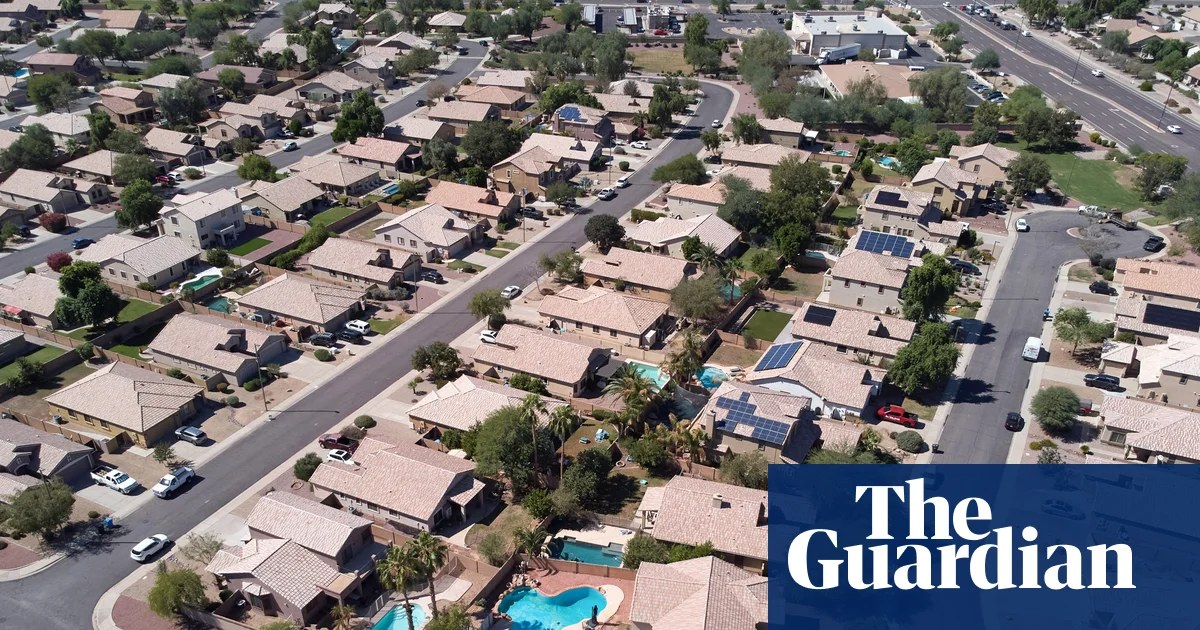
US existing home sales dropped to a seasonally adjusted annual rate of 3.75 million in October, an 8.8% decline from a year earlier and the weakest pace since August 2010, as the 30-year fixed mortgage rate climbed to 7.18%, the highest since late 2023. The median existing-home price edged up to $416,700, but affordability deteriorated sharply across the Midwest, South, and West, while the Northeast held steady.
Key Takeaways
- Existing home sales fell to 3.75m SAAR in October 2026, lowest since August 2010 (-8.8% YoY).
- 30-year fixed mortgage rate at 7.18%, near 2023 peak of 7.79%, up from sub-6% in February 2026.
- Fed hiked rates in September 2026 (first since 2023) to 3.75%-4.00%; another hike expected in December.
- Pending home sales hit record low in September, signaling weak near-term pipeline.
- Median price rose slightly to $416,700, but affordability deteriorated; homeownership rate stagnant since 2021.
Executive Intelligence Brief
Mortgage Rate Shock Reverses 2024-25 Improvement
The 30-year fixed rate had fallen below 6% in February 2026 for the first time in over two years, raising hopes of a spring recovery. However, a resurgence in inflation—partly attributed by market participants to fiscal pressures from the Iran conflict—prompted the Federal Reserve to hike the federal funds rate in September 2026 for the first time since 2023, lifting the target range to 3.75%-4.00%. Mortgage rates tracked the move, surging back toward the 2023 peak of 7.79%.
"Home buying is difficult when mortgage rates have climbed to their highest levels since 2000, aside from a single month in 2023," said Lawrence Yun, chief economist at the National Association of Realtors (NAR). "As a result, home sales fell to their lowest level since August 2010."
Transmission to Pending Contracts and Seasonal Headwinds
The forward-looking indicator turned decisively negative in September, when pending home sales—contracts signed but not yet closed—hit the lowest level in NAR’s data history. That month the 30-year rate breached 7% for the first time in nearly two years. The timing compounds the usual fourth-quarter seasonal slowdown.
"I don’t think this is a new normal for home sales," said Danielle Hale, chief economist at Realtor.com. "Instead, it reflects a perfect storm of an abrupt shift in the financial environment and large uncertainties in the pre-election period for both policy and the economy just as the housing market usually slows for the season."
Broader Economic and Political Context
Affordability strains have migrated from ownership to rental markets: Census data show median rent growth outpacing overall inflation, while the US homeownership rate has stagnated since 2021. These cost-of-living pressures featured prominently in the November midterm elections, which delivered Democrats control of Congress for the next session.
The Fed is widely expected to raise rates again at its December meeting after October CPI came in above forecasts. Each incremental hike tightens the pass-through to mortgage-backed securities yields, keeping upward pressure on borrowing costs.
Forward Outlook: December Fed Decision and November Data
Markets are pricing a high probability of a 25-basis-point increase at the December FOMC meeting. The next critical data points are the November pending home sales index (late December release) and the November existing home sales report (mid-December), which will reveal whether the October plunge marks a trough or the start of a deeper contraction. Residential investment’s drag on Q4 GDP will depend on the trajectory of starts and permits, currently supported by a backlog of multifamily construction but vulnerable to single-family pullback.