US consumer prices rose 0.4% in October from September, a deceleration from the prior month's 0.6% gain, as gasoline costs retreated. The Bureau of Labor Statistics did not publish a year-over-year figure due to a data gap from the October 2025 government shutdown, though Oxford Economics estimates annual inflation at 3.9% — the highest since May.
Key Takeaways
- CPI rose 0.4% MoM in October, down from 0.6% in September; gasoline prices fell from $4.41 to $4.22/gallon
- Official YoY CPI unavailable due to 2025 shutdown data gap; Oxford Economics estimates 3.9% — highest since May's 4.2%
- Fed hiked rates in September (first since 2023), expected to hike again in December; unemployment ~4% supports tightening
- Energy prices driven by Iran conflict: +0.7% in October after +5.2% in September; diesel ~$2.50/gal above year-ago
- Consumer sentiment diverged: improved for lower/middle wealth, fell 5% for high-wealth households on AI bubble fears
Executive Intelligence Brief
October CPI Details and Energy Dynamics
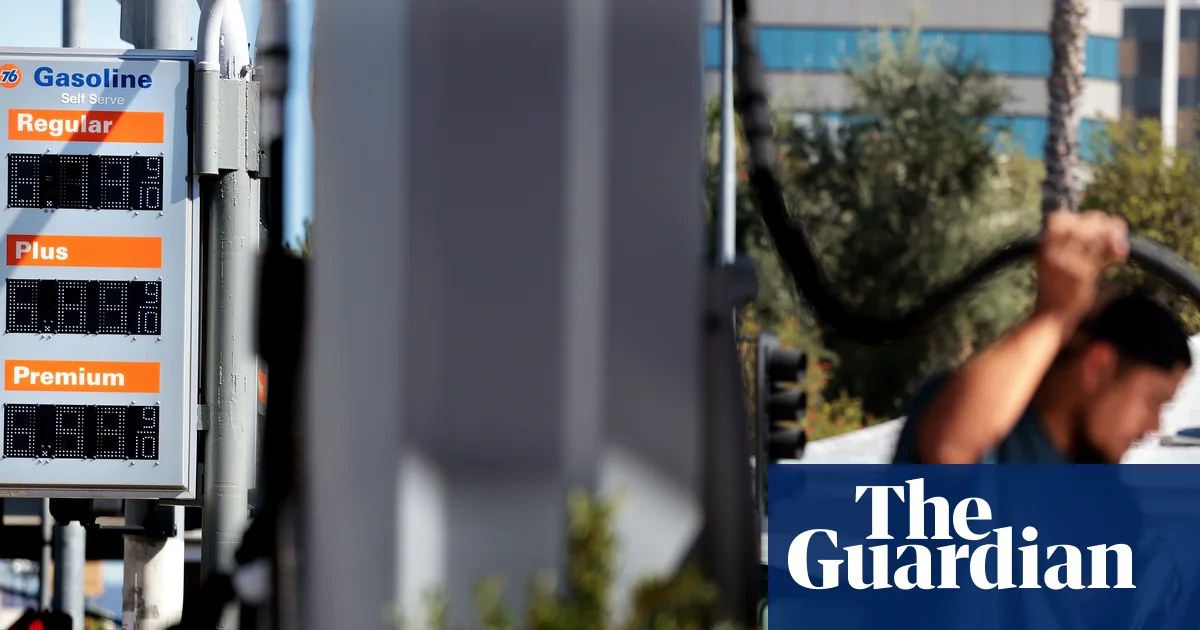
The monthly increase came in slightly above consensus expectations but represented a clear moderation from September's 0.6% advance. Energy prices continued to climb, rising 0.7% after a 5.2% surge in September, driven by the ongoing Iran conflict. However, gasoline prices at the pump cooled during the month, falling from a national average of $4.41 per gallon at the start of October to $4.22 by month-end. On Monday, the average dipped below $4 for the first time since July, according to AAA. Diesel prices remain nearly $2.50 per gallon higher than a year ago but have also been declining since October.
Data Gap Complicates Year-Over-Year Assessment
The BLS did not release the standard year-over-year CPI figure because data was not collected in October 2025 during a government shutdown. Oxford Economics interpolates the missing month to estimate a 3.9% annual rate for October 2026, which would mark the highest level since May's 4.2% — a three-year peak. The Federal Reserve's target remains 2%, a threshold not seen in the current cycle.
Federal Reserve Policy Trajectory
The Fed raised interest rates in September for the first time since 2023 and is widely expected to hike again at its December meeting. Chair Kevin Warsh stated on 28 October: 'Our job is to ensure that relative price changes in some sectors do not broaden across the economy, and that inflation expectations remain as they are anchored.' Strong October labor market data, with unemployment hovering just above 4%, gives the central bank room to continue tightening. However, transmission of rate hikes to energy-driven inflation remains uncertain given the geopolitical supply-side drivers.
Political Context and Consumer Divergence
The report arrives after midterm elections that handed Democrats control of Congress, widely interpreted as a voter rebuke of Republicans over high prices. JD Vance specifically cited gas price frustration as a factor in the GOP's poor showing. Consumer sentiment improved slightly in late October as gas prices eased, but the University of Michigan survey revealed a sharp divergence: sentiment rose for lower- and middle-wealth households but fell 5% for those with the largest stock portfolios amid market turbulence. Director Joanne Hsu noted 'growing anxiety over a possible AI bubble' in consumer comments.
Forward Outlook and Key Monitoring Points
The December Fed meeting is the next critical milestone, with markets pricing in another rate increase. The November CPI release will test whether October's moderation persists. Energy markets remain hostage to the Iran conflict's trajectory. Meanwhile, the divergence in consumer sentiment by wealth tier — and the emergence of AI bubble concerns — introduces a new variable for policymakers monitoring expectation anchoring.