US consumer prices increased 0.4% in October, slightly above forecasts, as gasoline prices retreated but broader energy costs continued to surge amid the Iran conflict. The Bureau of Labor Statistics withheld the year-over-year figure due to a data gap from the October 2025 government shutdown; Oxford Economics estimates annual inflation at 3.9%, the highest since May.
Key Takeaways
- CPI rose 0.4% m/m in October 2026; energy up 0.7% after 5.2% in September.
- No official YoY CPI published due to Oct 2025 shutdown data gap; Oxford Economics estimates 3.9% (highest since May's 4.2%).
- Gasoline fell from $4.41 to $4.22/gal in October; below $4 by early November. Diesel still ~$2.50/gal above year ago.
- Fed on track for December hike after September move (first since 2023); Warsh stresses anchoring expectations.
- Midterms gave Democrats Congress; Republicans blame gas prices. Consumer sentiment up for lower/middle wealth, down 5% for high wealth on AI-bubble fears.
Executive Intelligence Brief
October CPI Details and the Missing Year-Over-Year Figure
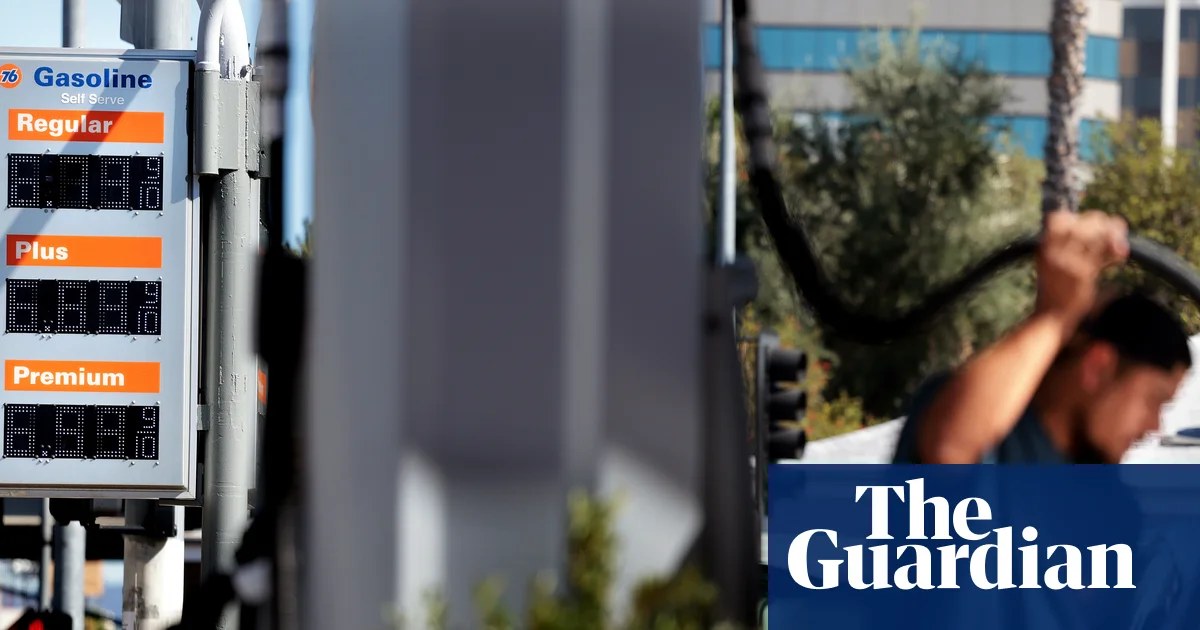
The 0.4% monthly advance in the Consumer Price Index compares with a 0.6% rise in September and marks a modest deceleration in the pace of price increases. Energy prices rose 0.7% in October after surging 5.2% in September, reflecting the lagged pass-through of crude oil gains driven by the Iran war. Gasoline prices, however, cooled during the month, falling from a national average of $4.41 per gallon at the start of October to $4.22 by month-end, according to AAA. By early November the average dipped below $4 for the first time since July.
Because the BLS did not collect price data in October 2025 during the federal shutdown, no official year-over-year comparison could be published. Oxford Economics, interpolating the missing month, estimates the headline annual rate at 3.9%. That would be the highest since May 2026, when inflation hit 4.2%, a three-year peak. Diesel, a key input for freight and agriculture, remains nearly $2.50 per gallon above year-ago levels despite recent declines.
Federal Reserve Policy Transmission and the December Meeting
The Federal Reserve raised interest rates in September for the first time since 2023 and is widely expected to hike again at its December meeting. Chair Kevin Warsh reiterated on 28 October that the central bank is 'dedicated to making sure price increases ease up,' emphasizing that its job is to 'ensure that relative price changes in some sectors do not broaden across the economy, and that inflation expectations remain as they are anchored.' The Fed's 2% target remains well above current trends.
Stronger-than-expected October payroll growth — 165,000 jobs added with unemployment holding near 4% — gives the Fed additional room to tighten. Yet the energy-heavy composition of current inflation complicates the transmission mechanism: higher borrowing costs do little to lower global oil prices set by geopolitical conflict. Market pricing implies a high probability of a December move, but the magnitude remains data-dependent.
Political Aftershocks and Consumer Sentiment Divergence
The inflation report lands days after midterm elections that gave Democrats control of Congress. Republicans, including JD Vance, have explicitly cited voter anger over gasoline prices as a primary driver of their losses. The pump-price relief in late October may have arrived too late to alter the outcome.
Consumer sentiment improved slightly in late October as gasoline costs eased, according to the University of Michigan Surveys of Consumers. However, the gains were concentrated among lower- and middle-wealth households. Sentiment among households with the largest stock portfolios fell 5%, reflecting 'a relatively turbulent period in stock markets,' said director Joanne Hsu. Consumer comments also revealed 'growing anxiety over a possible AI bubble,' pointing to a new source of financial-stability concern that could weigh on spending and investment decisions at the top of the wealth distribution.
Forward Outlook: Data Dependence and Energy Watch
The next critical inputs are the November CPI release and the December Federal Open Market Committee meeting. Absent an official year-over-year benchmark, markets will rely on private-sector estimates and the monthly momentum to gauge the inflation trajectory. Diesel and gasoline price trends at the pump will remain the most visible real-time indicator for households and policymakers alike. Meanwhile, the divergence in consumer sentiment by wealth tier — and the emergence of AI-bubble anxiety — warrants monitoring for potential spillovers into equity markets and discretionary spending.