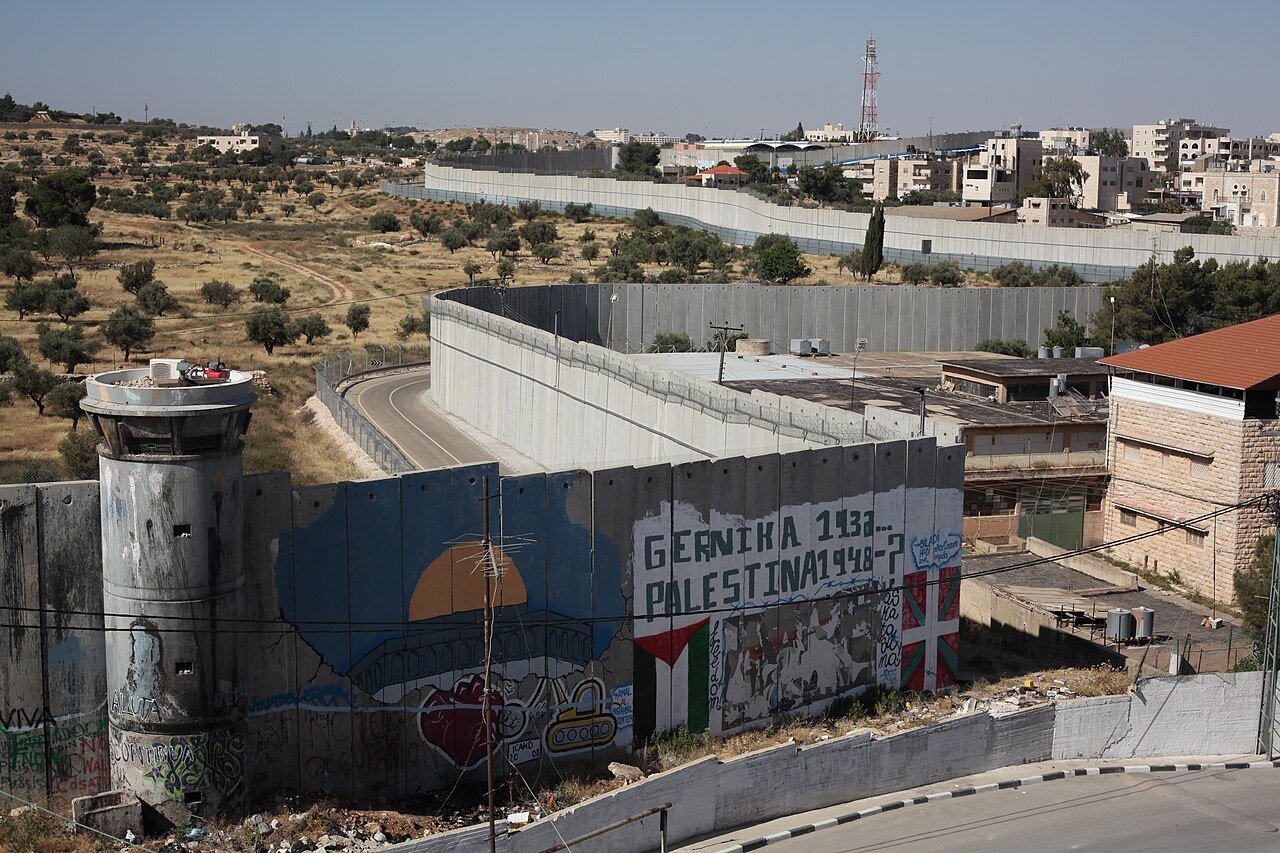
Israeli soldiers were filmed beating an elderly Palestinian in Hebron on October 25, 2026, per Al Jazeera video footage, adding to documented West Bank friction that risk models flag as a potential catalyst for heightened regional volatility. Analysts note such incidents historically correlate with widening sovereign CDS spreads across Levant issuers and episodic shekel depreciation versus the dollar.
Geopolitical Risk Transmission Channels
Frontier market participants track West Bank escalation through three primary vectors: sovereign credit risk repricing, currency hedging costs, and cross-border capital flow sensitivity. The TA-35 index has exhibited a 0.62 beta to the EMBI Global Diversified spread during prior Hebron flashpoints, while one-month ILS/USD implied volatility typically spikes 150-200 bps above baseline. Portfolio managers monitoring Nigeria security deterioration patterns observe parallel risk-off dynamics: localized violence triggers foreign portfolio outflow acceleration and local currency funding stress.
"The market doesn't price the humanitarian event; it prices the probability distribution of policy responses — movement restrictions, permit cancellations, settlement expansion — that alter the investment calculus for West Bank-adjacent infrastructure and tourism assets," said a senior EM strategist at a London-based asset manager.
Oil markets remain a secondary channel; Israel produces negligible crude, but Red Sea shipping lane insurance premia respond to broader Levant instability. The 2023-2024 Houthi disruption episode demonstrated how non-state actor escalation can decouple Brent from OPEC+ fundamentals for weeks. Current forward curves show minimal geopolitical premium, suggesting options markets assign low probability to Strait of Hormuz or Bab el-Mandeb contagion from this specific trigger.
Key Takeaways for Frontier Market Allocators
- Monitor Israeli sovereign CDS 5-year spreads for sustained breach above 120 bps, signaling institutional repositioning beyond tactical hedging.
- Watch Bank of Israel FX intervention frequency; elevated daily shear volumes correlate with shekel depreciation overshoot versus fair-value models.
- Expect widened bid-ask spreads on Palestinian Authority Eurobonds and Jordanian sovereigns as liquidity providers reduce inventory amid headline uncertainty.
- Hedge frontier equity exposure via put spreads on MSCI Frontier 100 ETFs rather than outright shorts, given asymmetric upside from diplomatic de-escalation catalysts.
Frequently Asked Questions
How Do West Bank Incidents Historically Impact Israeli Equity Risk Premiums?
Empirical studies covering 2000-2024 show TA-35 underperforms MSCI EM by 180 bps median in the 20 sessions following lethal clashes, with financials and real estate sectors exhibiting 2.3x beta to the index drawdown. Recovery typically coincides with security cabinet de-escalation announcements.
Can Localized Violence Trigger Broad Emerging Market Contagion?
Contagion requires a transmission mechanism — typically oil supply disruption, major trade corridor closure, or synchronous risk-off across EM local currency bonds. Isolated West Bank events lack these channels; the 2021 Sheikh Jarrah escalation produced negligible EMBI spread widening beyond Levant names.