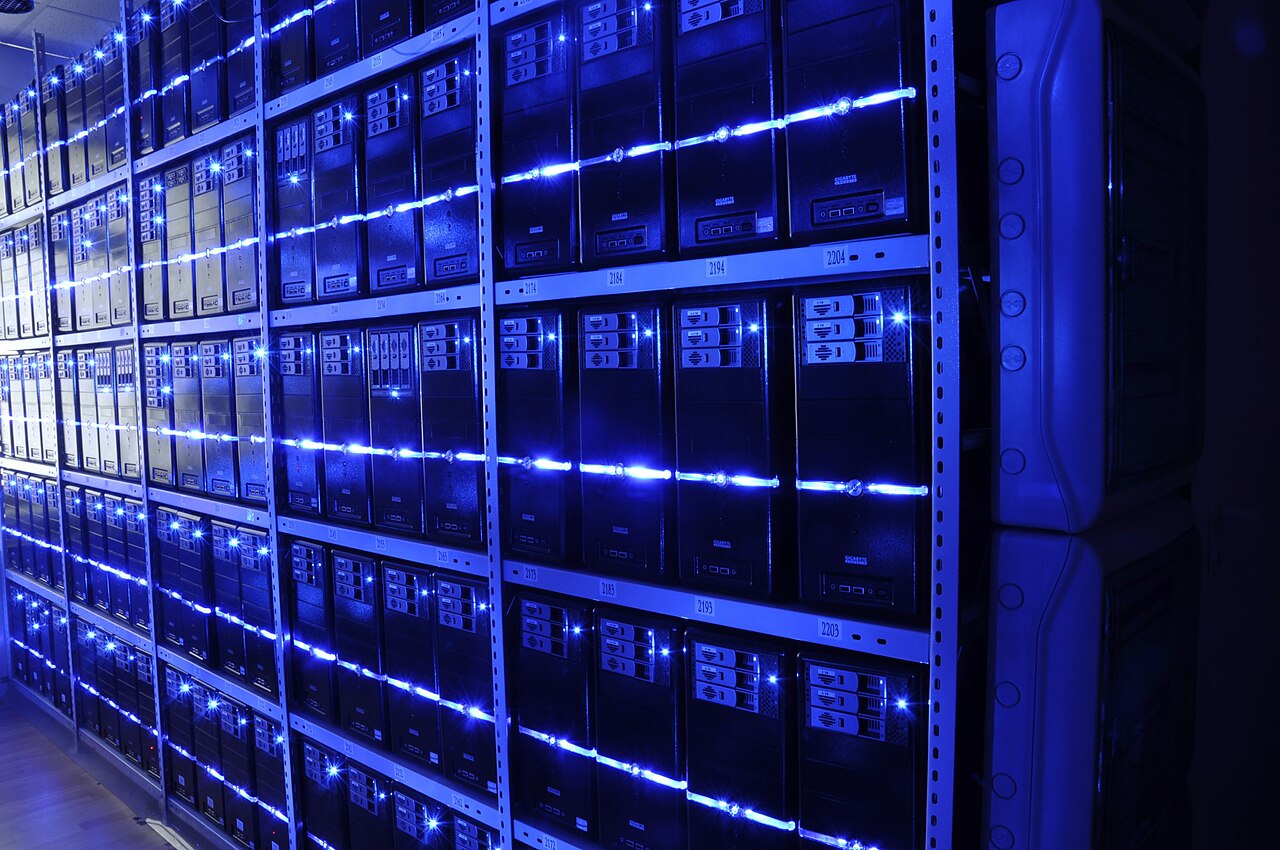
Microsoft, Meta, Amazon, and Alphabet are channeling record capital into AI data centers and GPU clusters as of October 2026, draining free cash flow and pressuring operating margins. Investors now face a valuation reset as return-on-invested-capital timelines extend beyond previous guidance.
Big Tech AI Capex Surge: Market Impact on Mega-Cap Valuations
The current infrastructure buildout dwarfs prior technology capex cycles in both absolute dollars and intensity. Combined 2026 capital expenditure guidance across the four largest hyperscalers exceeds $200 billion, with AI-related outlays representing the dominant share. This spending velocity compresses free cash flow conversion rates precisely when equity markets price these names on FCF yield multiples rather than revenue growth alone.
Transmission channels extend beyond income statements. Semiconductor supply chains face sustained demand pull-forward, while data center REITs and power infrastructure providers see multi-year visibility. Conversely, software peers without comparable infrastructure burdens trade at widening valuation premiums, reflecting a market increasingly focused on capital intensity as a differentiator.
"The market is repricing the duration of capital intensity. When capex-to-revenue ratios sustain above 25% for mega-caps, the implied payback period stretches beyond what current multiples discount. This isn't a cyclical trough — it's a structural step-change in the cost of AI competitiveness."
Historical precedent suggests caution. The late-1990s fiber optic buildout and mid-2010s 5G spectrum auctions both featured capex waves that preceded multi-year margin compression and multiple contraction. The critical variable remains monetization velocity: whether generative AI revenue streams can scale faster than depreciation schedules accelerate.
Key Takeaways for Growth Equity Investors
- Monitor quarterly FCF conversion rates for inflection signals — sustained sub-80% conversion warrants multiple compression assumptions.
- Watch hyperscaler commentary on GPU utilization rates and training cluster efficiency as leading indicators of ROIC trajectory.
- Expect sector rotation toward capital-light AI beneficiaries (software, cybersecurity, data infrastructure) as capex fatigue sets in.
- Hedge mega-cap concentration risk via barbell exposure to semiconductor equipment and power generation plays with contracted revenue visibility.
Frequently Asked Questions
Will Big Tech Capex Growth Decelerate in 2027?
Guidance suggests continued growth but at a moderating pace. Microsoft and Alphabet have signaled 2027 capex growth in the low-teens percentage range versus mid-20s in 2026, contingent on AI demand elasticity and data center permitting timelines.
How Does AI Spending Impact Mega-Cap Valuation Multiples?
Elevated capex depresses free cash flow yields, prompting investors to apply higher discount rates to future cash flows. Forward P/E multiples have compressed 15-20% relative to 2023 peaks despite earnings growth, reflecting the market's focus on capital intensity over top-line momentum.