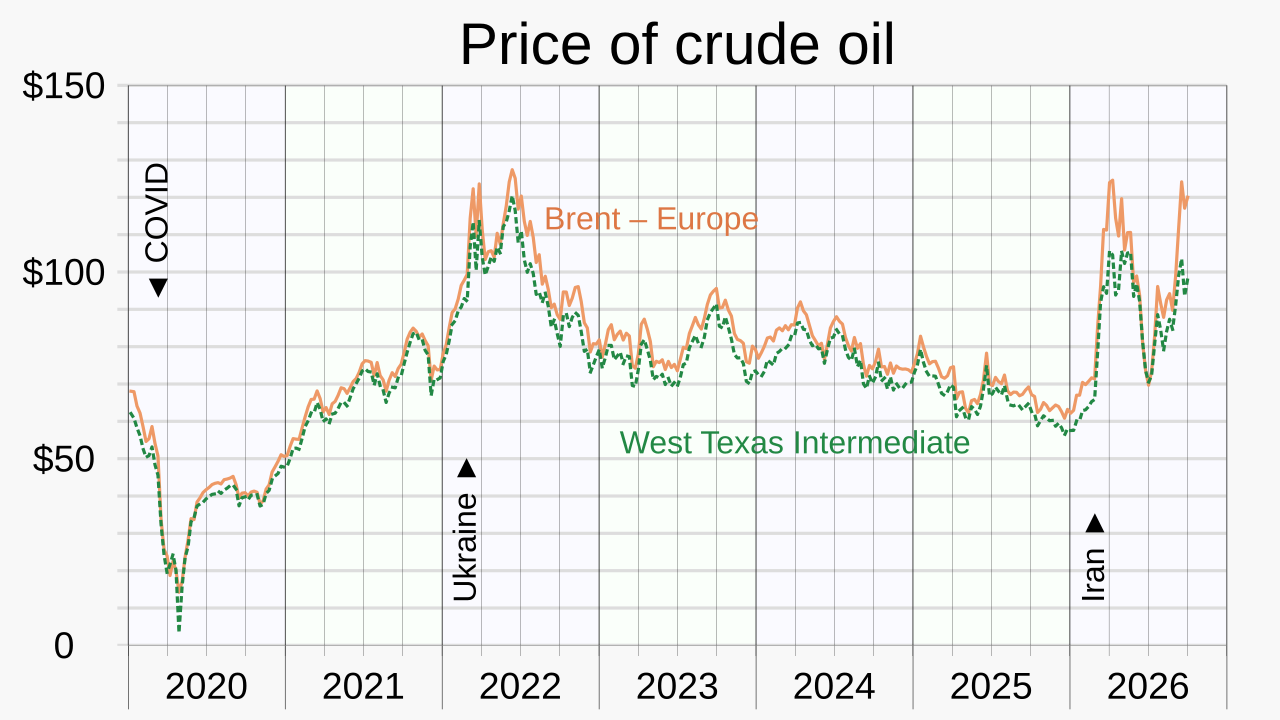
Brent crude surges after Hormuz vessel loss lifts freight risk
On , a container vessel sank in the Strait of Hormuz amid escalating attacks on commercial shipping, prompting immediate concerns over oil transit safety. The incident threatens to disrupt roughly a fifth of global seaborne oil flows, potentially pushing Brent crude higher as traders reassess supply risk. Bloomberg video.
Strait of Hormuz Shipping Disruption Impact on Oil Prices & Global Trade
Any disruption to Hormuz shipments instantly raises the risk premium on oil cargoes, and history shows that even brief blockades can trigger a swift rebound in Brent prices as traders scramble to secure alternative routes.
The Strait of Hormuz remains a critical chokepoint, handling about 20% of worldwide oil shipments. When a vessel sinks there, insurance markets react quickly, lifting war-risk premiums for tankers and container ships alike. This cost increase ripples through freight rates, making Asian‑to‑Europe trade more expensive and encouraging shippers to consider longer routes around the Cape of Good Hope.
Beyond immediate freight effects, the incident amplifies geopolitical tension in the Gulf, which often correlates with tighter liquidity in energy markets. Historically, such chokepoint shocks have led to a temporary contango in oil futures, as near‑term barrels become scarcer relative to later contracts. Traders monitoring the Brent‑WTI spread may see a widening as Middle East crude faces higher transport friction.
Shipping stocks with exposure to Middle East routes typically underperform during these episodes, while commodity‑linked ETFs that hold oil or energy infrastructure can attract defensive flows. The episode also underscores the importance of supply‑chain diversification, as firms reassess reliance on single transit points for crude and refined products.
Key Takeaways for Energy Traders
- Monitor Brent futures for sudden risk‑premium spikes as Hormuz transit delays persist.
- Watch for increased insurance premiums on vessels transiting the Gulf, signaling higher operational costs.
- Expect temporary volatility in shipping stocks linked to Middle East routes.
- Hedge exposure using short‑dated oil call options or commodity‑linked ETFs.
Frequently Asked Questions
Will the container ship sinking affect global oil supplies?
The sinking raises immediate safety concerns for vessels transiting the Strait of Hormuz, which could lead to temporary rerouting or slower convoy speeds. While a single ship loss does not physically remove oil from the market, the perceived risk of further attacks can prompt traders to bid up near‑term crude contracts as a precaution.
How have past incidents in the Strait of Hormuz impacted oil prices?
Historical disruptions—such as mine threats or vessel seizures—have often produced a rapid, short‑lived premium in Brent prices, typically ranging from a few percent to double‑digit moves depending on duration and severity. Markets tend to price in the likelihood of prolonged blockades, which can sustain elevated risk premia until security assurances are restored.