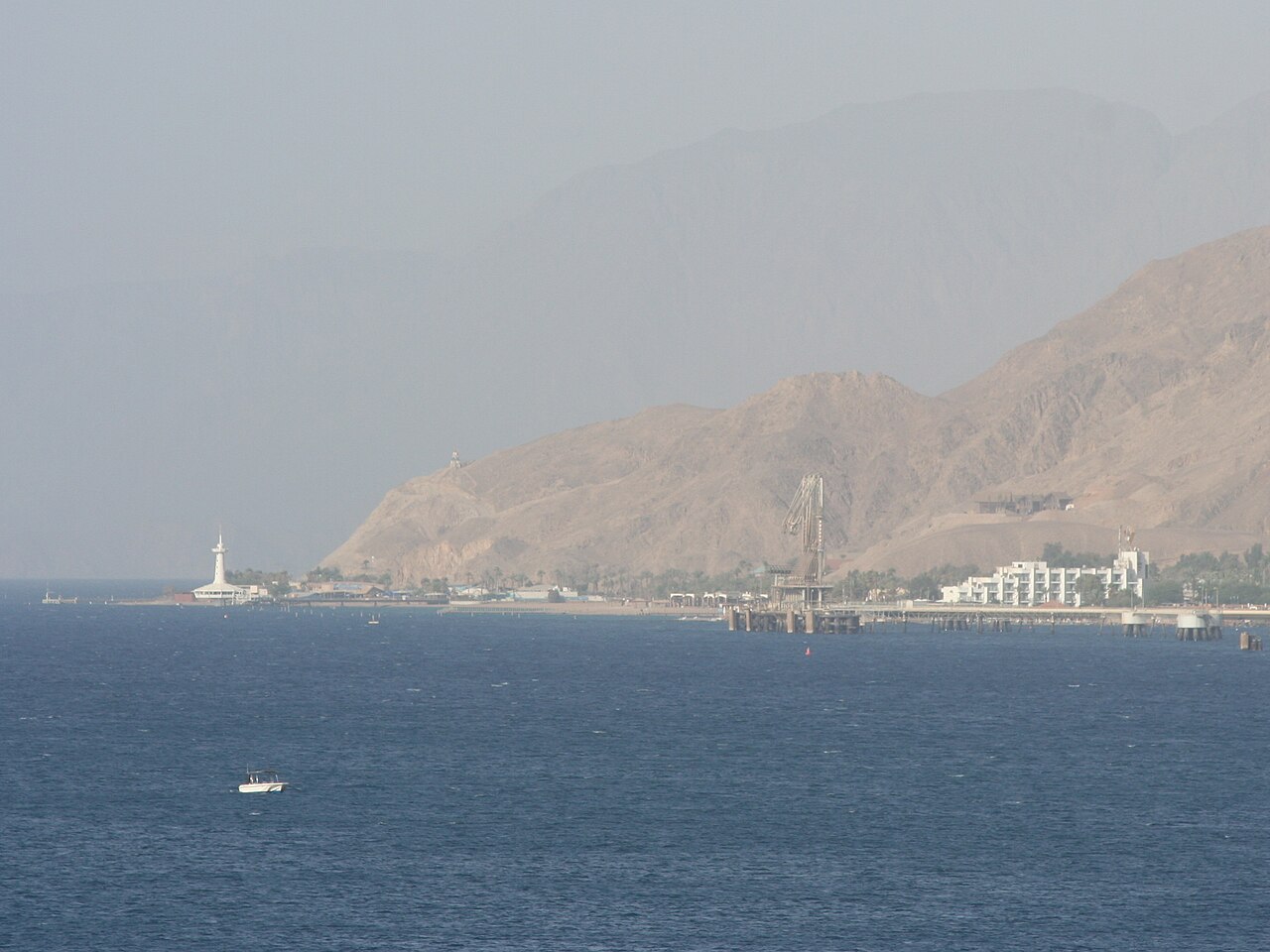
Saudi-Houthi Stalemate Elevates Oil Risk Premium as Red Sea Threats Persist
Bloomberg reported on October 15, 2026, that analyst Molavi assesses Saudi and Houthi forces can inflict significant damage but cannot achieve decisive victory, a stalemate that sustains Red Sea shipping risks and supports a structural geopolitical premium in Brent crude futures amid tightening global spare capacity.
Market Impact & Global Context
The "hit hard, not end war" dynamic described by Molavi creates a persistent asymmetric threat to the Bab el-Mandeb chokepoint, through which roughly 4.5 million barrels per day of seaborne oil transit. Unlike the 2019 Abqaiq attacks that caused a discrete supply shock, the current Red Sea missile and drone campaign generates chronic uncertainty, forcing tanker re-routing around the Cape of Good Hope and adding 10-14 days to Europe-Asia voyages. This structural lengthening of supply chains tightens effective tanker availability, pushing VLCC rates above $100,000 per day and embedding a $3-5/bbl conflict premium into Brent that monetary policy cannot easily dislodge.
"The market is pricing not a supply outage but a supply-chain tax. Every week the Houthis retain missile capacity, the risk premium compounds because insurers and charterers must assume the worst-case transit scenario. This is a fundamentally different inflationary impulse than a simple production cut."
European energy security remains acutely exposed. The continent's pivot from Russian pipeline gas to global LNG and Middle Eastern crude imports makes it the primary absorber of Red Sea disruption costs. Higher freight and insurance expenses flow directly into Northwest European refining margins and industrial competitiveness, a dynamic explored in recent analyses of Europe's deepening energy crisis and the ECB's constrained policy space and the structural energy crisis hitting Eurozone industry in 2026. For the ECB, this represents a supply-side inflation driver that rate cuts cannot resolve, potentially delaying the easing cycle into 2027.
OPEC+ spare capacity, currently concentrated in Saudi Arabia and the UAE, offers limited cushion against a genuine escalation. Riyadh's reluctance to deploy spare barrels preemptively — preferring to maintain market discipline — means the market lacks a rapid-response mechanism. Historically, such conditions preceded the 2022 post-invasion rally where Brent surged from $95 to $128 in three weeks. Today's tighter inventory backdrop amplifies that vulnerability.
Key Takeaways for Energy Traders
- Monitor Houthi missile inventory depletion rates and Iranian resupply corridors via Oman and the Arabian Sea for early escalation signals.
- Watch VLCC fixture data and War Risk Insurance premium adjustments as real-time proxies for physical market stress.
- Expect continued Brent-WTI spread widening as European buyers bid aggressively for non-Red Sea dependent grades.
- Hedge downstream cracking margin compression via long dated Brent calls combined with short European refining margin swaps.
Frequently Asked Questions
How Does the Saudi-Houthi Stalemate Differ From Previous Middle East Oil Shocks?
Unlike discrete production outages such as the 1990 Iraqi invasion of Kuwait or the 2019 Abqaiq strikes, the current conflict creates a persistent logistics disruption rather than a supply loss. The risk premium stems from increased transit times, insurance costs, and routing uncertainty, which are harder for strategic reserves or OPEC+ spare capacity to offset.
Can Strategic Petroleum Reserve Releases Neutralize the Red Sea Risk Premium?
SPR releases address volume deficits, not logistics constraints. With global inventories already below the 2015-2019 average and OECD commercial stocks at multi-year lows, coordinated releases would provide only transient relief while depleting the last line of defense against a genuine supply interruption.