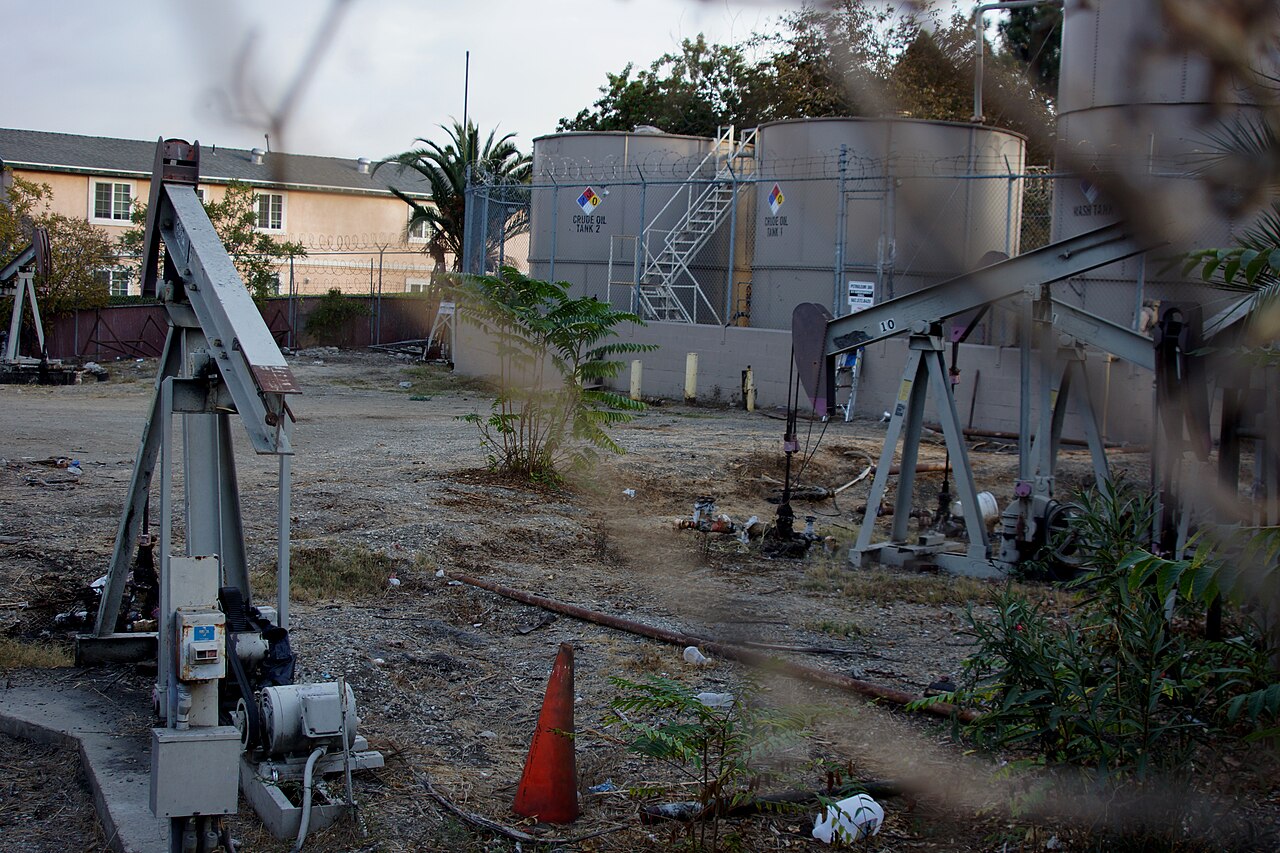
Oil markets priced in heightened geopolitical risk on October 24, 2026, as Bloomberg reported renewed Iran fighting concerns, lifting Brent crude volatility while global energy traders accelerated hedging against potential Strait of Hormuz supply disruptions amid escalating Middle East tensions.
Iran Oil Supply Risk: Market Impact & Global Context
The geopolitical risk premium embedded in Brent and WTI futures curves has widened noticeably since the Bloomberg report, with front-month implied volatility climbing as market participants reassess the probability of physical supply interruptions. Historical precedent from the 2019 Abqaiq attacks and 2022 Russia-Ukraine escalation shows that even verbal escalation can sustain a $5-8/bbl risk premium until diplomatic de-escalation or spare capacity deployment materializes.
"When the market prices Iran conflict risk, it's not just pricing the immediate disruption — it's pricing the tail risk of Strait of Hormuz closure, which would remove 18-20 million bpd from global flows. That asymmetry keeps volatility bid even if headlines fade."
OPEC+ spare capacity, currently estimated near 5.8 million bpd led by Saudi Arabia and UAE, provides a theoretical buffer but cannot fully offset a Hormuz closure. The forward curve structure — shifting toward backwardation in near months while longer-dated contracts remain in contango — reflects this tension: immediate scarcity fears versus structural oversupply expectations into 2027. Energy equity flows have rotated toward integrated majors with downstream hedging capacity and away from pure-play upstream names with concentrated Middle East exposure.
Refining margins in Europe and Asia have widened on crude quality replacement costs, as Iranian heavy grades become harder to source. This transmits into crack spreads and ultimately consumer fuel prices, creating a secondary inflation channel that central banks monitor closely. The correlation between oil volatility and breakeven inflation rates has reasserted itself, complicating the Fed and ECB policy calculus heading into year-end.
Key Takeaways for Energy Sector Investors
- Monitor Brent 1-month implied volatility and the 1-3 month calendar spread for signals of physical market tightness versus financial speculation.
- Watch OPEC+ rhetoric and Saudi production data for clues on whether spare capacity will be deployed preemptively or held in reserve.
- Expect continued rotation toward integrated energy majors with diversified downstream operations and away from high-beta upstream names with Persian Gulf concentration.
- Hedge equity portfolio energy exposure using put spreads on XLE or long volatility via OVX calls given asymmetric upside risk to oil prices.
Frequently Asked Questions
Will Iran Conflict Escalation Cause Oil Prices to Exceed $100 per Barrel?
A sustained breach above $100/bbl requires either actual Strait of Hormuz disruption or coordinated OPEC+ production cuts in response. Verbal escalation alone has historically capped gains near $90-95/bbl before mean reversion, unless physical flows are impaired.
How Does Middle East Geopolitical Risk Affect Energy Equity Valuations?
Integrated majors typically outperform pure-play explorers during risk spikes due to downstream hedging natural gas and refining margins. Valuation multiples compress for names with >30% reserve exposure to the Persian Gulf, while diversified producers see multiple expansion.