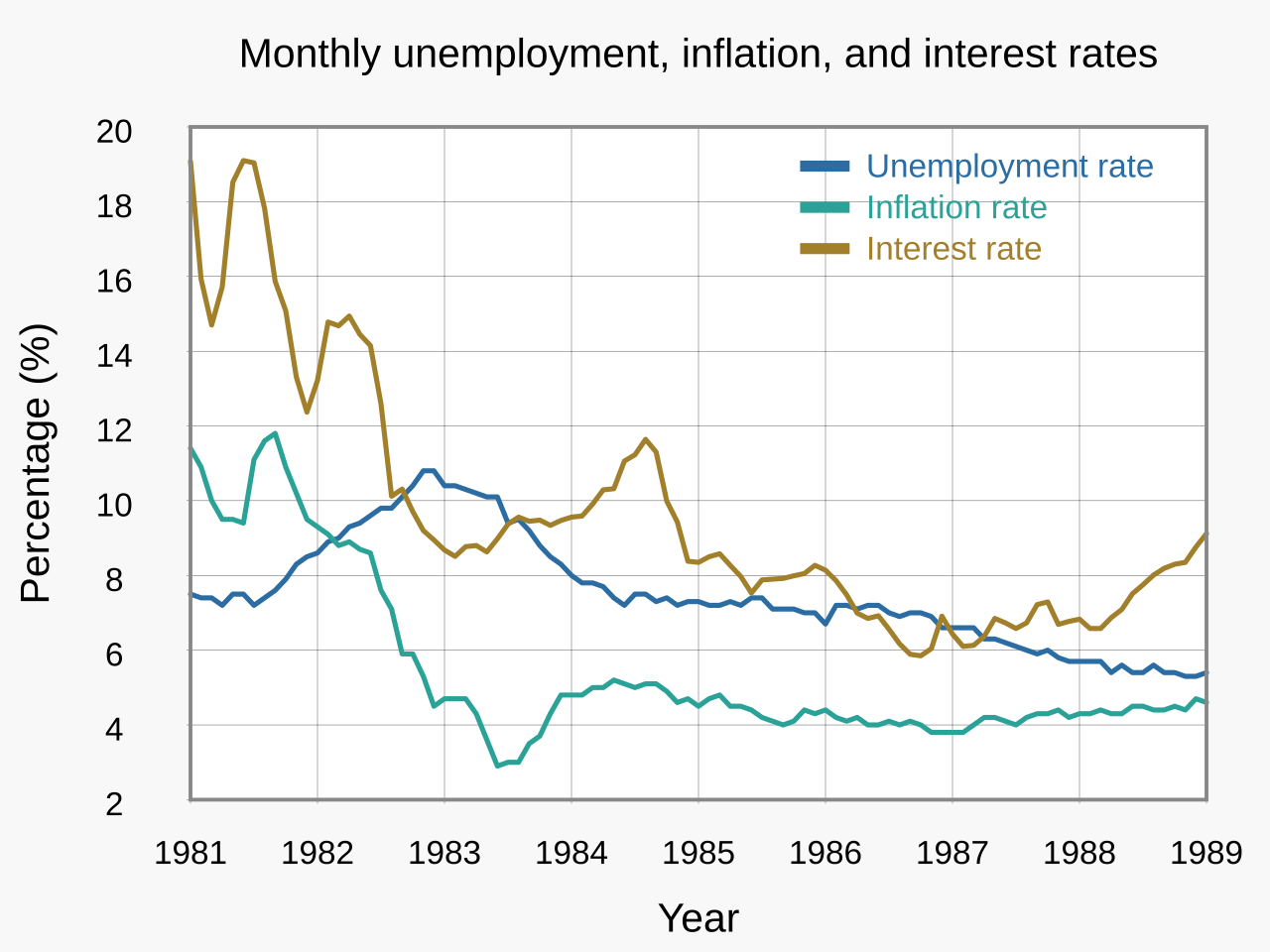
Fed Flags Year-End Rate Hike Chance → Markets Await Clarity on Policy Path
The Federal Reserve indicated potential further interest rate increases to combat inflation remain possible but unlikely before year-end, keeping markets in limbo over the timing of future tightening. This stance suggests policymakers see inflation as persistent enough to warrant additional hikes, though not imminently, leaving bond traders to parse subtle cues for policy direction. The delayed-hike signal contrasts with outright pausing, creating nuanced implications for yield curves and rate-sensitive assets.
Fed Policy Timing Impact on Yield Curve Dynamics
The Fed's communication of "possible but unlikely until year-end" hikes creates a specific market tension: short-term rates may remain anchored by current policy while long-term yields reflect inflation uncertainty. Historically, such forward-guidance nuances—where the central bank signals future tightening without immediate action—have tended to steepen the 2-year/10-year Treasury spread as traders price in delayed restraint. This dynamic contrasts sharply with outright pause scenarios, which typically flatten curves.
When the Fed frames further hikes as conditional on future data rather than imminent, it shifts market focus from policy timing to inflation trajectory. This often increases volatility in intermediate-term bonds as investors reassess the terminal rate based on incoming CPI and PCE prints, rather than reacting to meeting-by-meeting decisions.
— Senior Fixed Income Strategist, Global Bank
For emerging markets, this stance complicates capital flow predictions. Delayed U.S. tightening could temporarily ease dollar pressure, but persistent inflation fears may keep real yields elevated, creating cross-currency basis volatility. Equity sectors with high duration sensitivity—like technology—might experience sharper swings if inflation data surprises alter the year-end probability.
Key Takeaways for Rate-Sensitive Investors
- Monitor the 2Y/10Y Treasury spread for early signals on shifting year-end hike probabilities; a rapid steepening often precedes market repricing of delayed tightening.
- Watch for inflation data surprises—particularly in services-core PCE—as these could accelerate or delay the Fed's year-end hiking window more than monthly jobs reports.
- Consider how prolonged policy uncertainty affects sector rotation: financials may benefit from steeper curves, while growth equities could face episodic pressure if inflation re-accelerates.
- Prepare for potential volatility around Fed speaker events; even subtle shifts in language about "year-end" timing (e.g., to "Q4" vs "end of year") can trigger immediate bond market reactions.
Frequently Asked Questions
Will the Federal Reserve definitely raise interest rates again before the end of 2026?
The Fed's statement indicates further hikes remain "possible" but specifies they are "unlikely to happen until the end of the year." This leaves the door open for a potential increase in Q4 2026, contingent on inflation data showing insufficient progress toward the 2% target, though no commitment was made.
How do delayed rate hike signals typically affect bond market volatility compared to outright pauses?
Historically, communications framing future hikes as data-dependent but not imminent (like the current stance) generate higher intermediate-term bond volatility than clear pauses. Traders focus intensely on inflation reports to recalibrate timing expectations, whereas pauses often reduce near-term volatility as policy certainty increases.