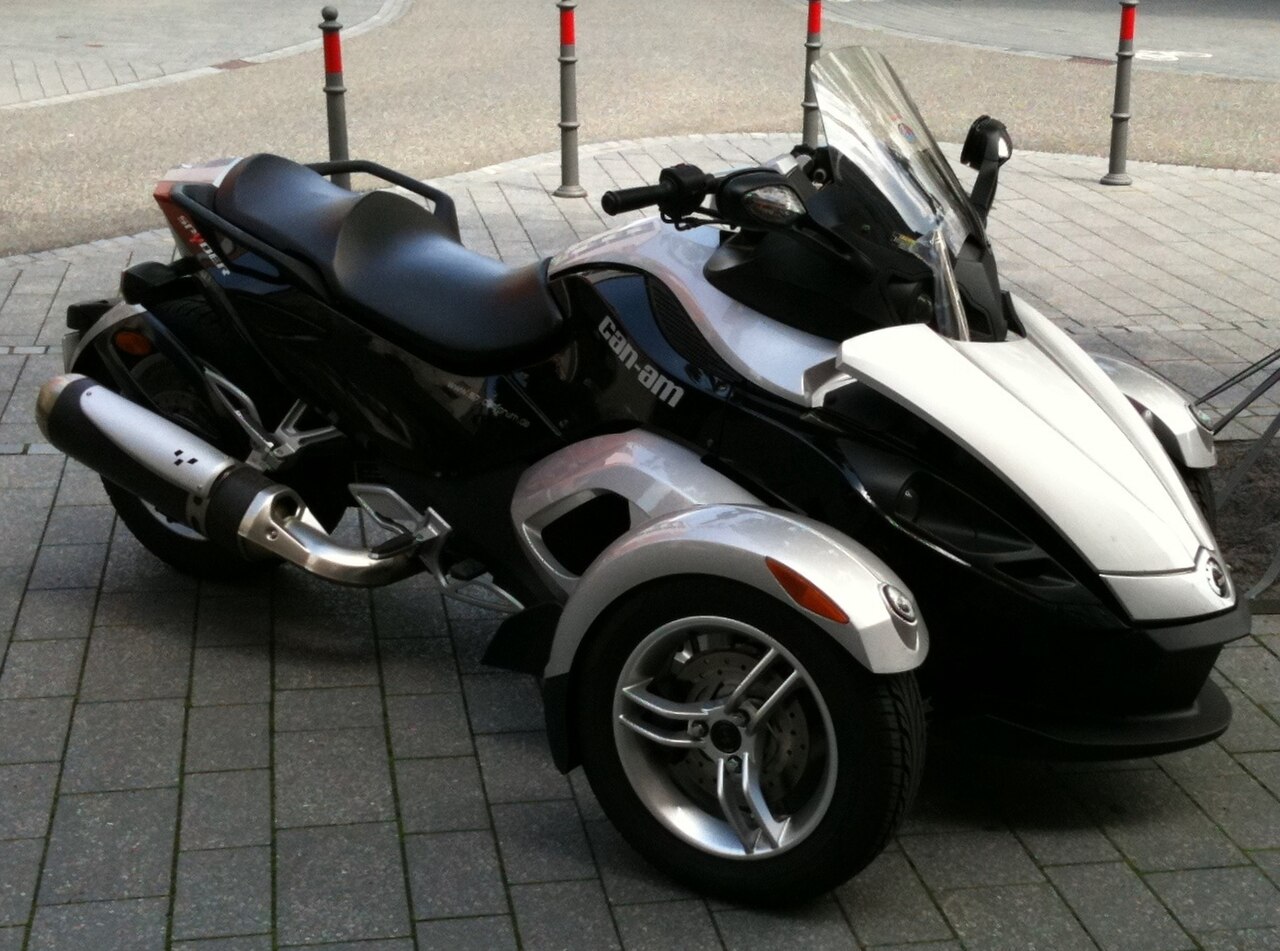
BRP (DOO) Shares Fall 4% on Trump Tariffs Hitting Can-Am Spyder
BRP (DOO) shares fell 4% today after Trump-era tariffs on Canadian imports increased production costs for its Can-Am Spyder recreational vehicles, squeezing margins. The move highlights how geopolitical trade tensions can directly affect niche manufacturing sectors, prompting investors to reassess exposure to consumer discretionary stocks amid rising input costs.
Market Impact & Global Context: Recreational Vehicle Margins Under Trade Policy Strain
"The tariff increase directly raises input costs for BRP’s Spyder line, which relies on Canadian-sourced aluminum and components, pressuring profitability unless offset by pricing power."
BRP’s supply chain for the Can-Am Spyder integrates Canadian-sourced metals and electronic components, meaning tariff-driven cost inflation translates quickly into margin pressure. Analysts note that the company’s pricing power in the premium recreational vehicle segment is limited, as buyers are sensitive to upfront costs, especially when discretionary spending faces broader macroeconomic headwinds. Consequently, equity investors may see near-term earnings revisions downward unless BRP successfully shifts some production or negotiates exemptions.
Beyond BRP, the episode illustrates how trade policy shifts can propagate through niche manufacturing sectors that depend on cross‑border input flows, amplifying geopolitical risk for equity portfolios weighted toward consumer discretionary goods. Market participants are watching for any further escalation in U.S.–Canada trade friction that could extend to other BRP product lines or peers in the powersports space.
Key Takeaways for Equity Investors
- Monitor BRP’s quarterly guidance for any explicit tariff‑related cost adjustments or margin outlook revisions.
- Watch for signals of production relocation or sourcing diversification that could mitigate Canadian‑input exposure.
- Expect heightened volatility in BRP shares around U.S.–Canada trade announcements, particularly those affecting aluminum and component tariffs.
- Hedge sector‑specific risk by balancing consumer discretionary exposure with industries less dependent on cross‑border supply chains, such as domestic utilities or healthcare.
Frequently Asked Questions
Will Trump-era tariffs on Canadian goods continue to affect BRP’s costs?
Answer: As long as the existing tariff structure remains in place, BRP’s Can-Am Spyder line will continue to face higher input costs for Canadian‑sourced materials, unless the company secures exemptions, redesigns its supply chain, or passes costs onto consumers through price increases.
How sensitive is the Can-Am Spyder line to changes in input commodity prices?
Answer: The Spyder relies heavily on aluminum and specialized electronics sourced from Canada, making its production costs directly responsive to shifts in commodity prices and trade duties; even modest tariff changes can noticeably impact gross margins given the vehicle’s relatively high material intensity.