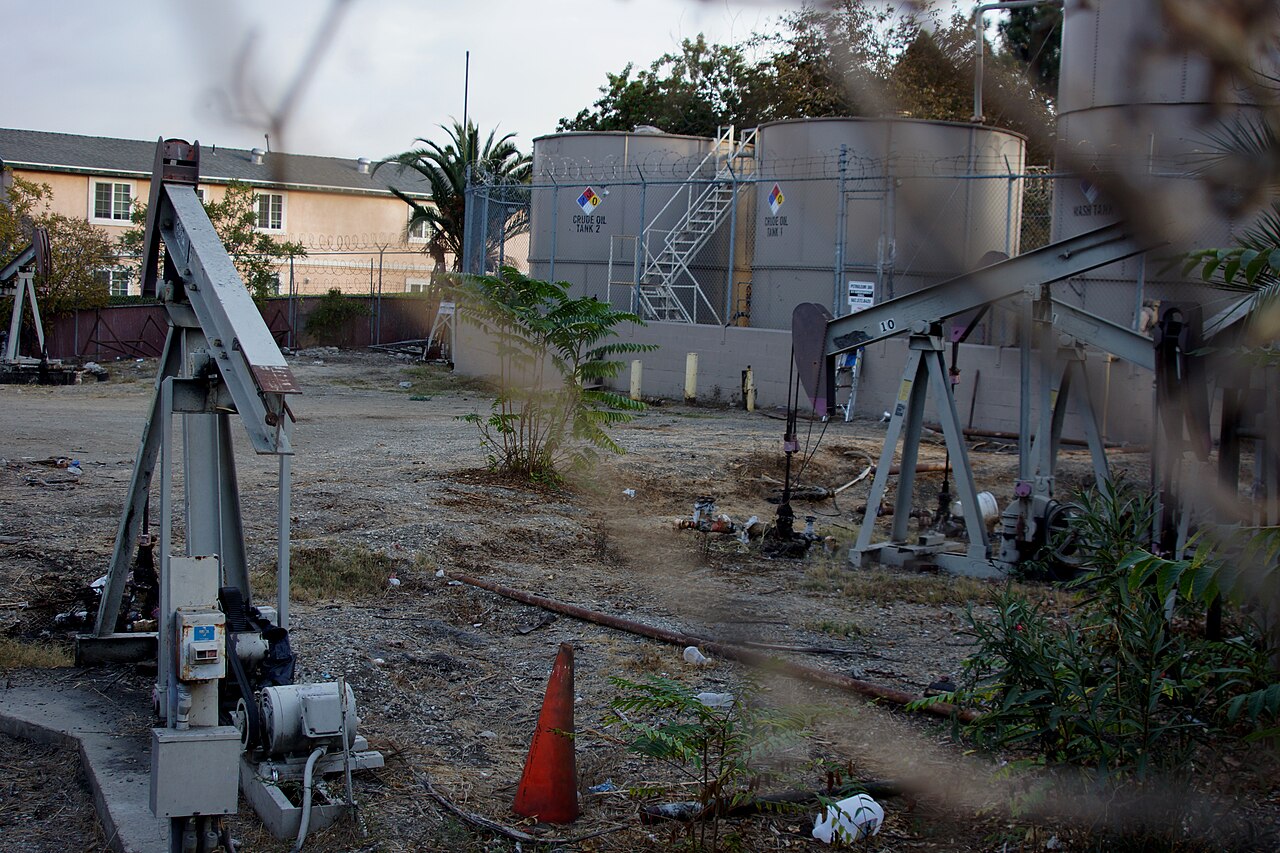
Israel and the United States face simultaneous electoral cycles, creating a rare geopolitical convergence that elevates risk premiums across energy markets, defense equities, and Middle East sovereign debt. Investors are pricing policy uncertainty from potential shifts in Iran sanctions enforcement and regional security commitments.
Market Impact & Global Context: Dual Election Cycle Amplifies Volatility
The synchronous timing of Israel's parliamentary election and the U.S. presidential race creates a compounding effect on geopolitical risk models. Unlike isolated events, this dual cycle forces portfolio managers to hedge against two independent but interconnected policy vectors: U.S. executive branch posture on Middle East security guarantees, and Israeli coalition dynamics governing military escalation thresholds.
Energy markets sit at the epicenter. Brent crude's forward curve has widened contango as traders price a higher probability of Strait of Hormuz disruption scenarios. The risk premium embedded in October-December 2024 Brent futures now exceeds $4/bbl above fundamental supply-demand fair value, according to ICE clearing data. This premium reflects not just physical supply fears but also the strategic petroleum reserve (SPR) replenishment calculus under a potential administration change.
Defense equities exhibit divergent behavior. U.S. prime contractors (Lockheed Martin, RTX, Northrop Grumman) show elevated implied volatility but stable bid-ask spreads, suggesting institutional holders view any administration as supportive of baseline procurement. Israeli defense firms (Elbit Systems, IAI) trade at wider credit spreads, reflecting coalition formation risk and potential U.S. aid conditionality shifts.
"Markets are not pricing a single election outcome; they are pricing the covariance between two electoral distributions. The tail risk isn't Policy A or Policy B — it's the correlation breakdown where both allies simultaneously shift toward unpredictable postures. That covariance term is what's widening credit spreads on Israeli sovereigns and lifting option skew on energy complex."
Sovereign credit markets reveal the clearest signal. Israel's 10-year CDS has widened 35 basis points since August, outperforming regional peers but underperforming U.S. Treasuries. The spread compression between Israeli and U.S. 10-year yields has narrowed to 180bps from 220bps in Q2, reflecting both Fed easing expectations and a country-specific risk premium. Emerging market debt funds have reduced Israel overweight positions by 12% in October EPFR flows data.
Currency markets show shekel depreciation pressure against a basket, though the Bank of Israel's $30bn FX reserve buffer and swap lines with the Fed provide a credible backstop. The USD/ILS 1-month risk reversal has flipped to put premium for the first time since 2023, signaling options market makers are charging more for downside shekel protection.
Key Takeaways for Macro-Focused Investors
- Monitor Iran sanctions enforcement rhetoric from both campaigns — any signal of relaxed secondary sanctions triggers immediate Brent backwardation collapse.
- Watch Israeli coalition negotiation timelines; prolonged government formation extends military decision-making vacuum, supporting energy risk premium.
- Expect defense sector dispersion: U.S. primes benefit from budget continuity, Israeli firms face aid conditionality headline risk.
- Hedge Middle East sovereign exposure via CDS curve steepeners rather than outright shorts — carry cost remains negative but convexity pays in tail scenarios.
Frequently Asked Questions
How Do Simultaneous Elections in Israel and the U.S. Affect Oil Price Volatility?
Dual elections create a covariance risk premium in energy derivatives. Option markets price higher implied volatility for Brent and WTI because two independent policy shifts — U.S. Iran sanctions posture and Israeli military escalation thresholds — could align to disrupt Persian Gulf supply routes. The 30-day realized/implied vol spread on Brent has widened to 8 volatility points, the widest since October 2023.
What Portfolio Hedges Are Most Effective During Dual Election Uncertainty?
Convexity-focused hedges outperform directional bets. Long-dated Brent call spreads (Dec 2024 $85/$95) capture upside tail risk with defined premium. On equities, long volatility via VIX futures calendar spreads (long Dec/short Jan) isolates election-period turbulence from trend. For fixed income, Israeli sovereign CDS curve steepeners (long 5y/short 10y) benefit from front-end risk premium compression if coalition forms quickly.