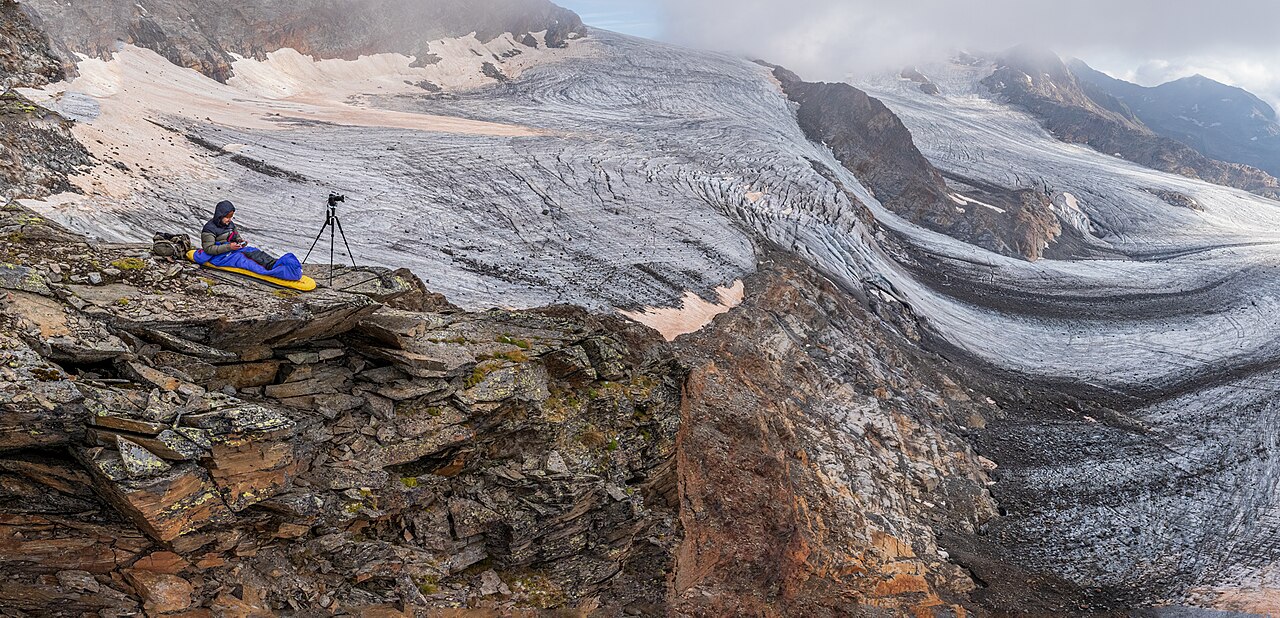
The Italian Army's 2nd Alpine Engineering Regiment neutralized 250 World War I explosive artifacts exposed by retreating glaciers across Trentino-Alto Adige between June and October 16, underscoring accelerating cryosphere loss that threatens tourism revenue, hydroelectric assets, and alpine transport corridors across the Dolomites.
Glacial retreat in the Adamello-Brenta massif and Stelvio National Park has accelerated 31% since 2000 according to European Environment Agency data, transforming historical battlefields into active hazard zones. The 90mm mortar round discovered near Caldonazzo in June — triggered by a vehicle accident — illustrates how thawing permafrost destabilizes slopes above critical infrastructure including the A22 Brenner corridor, which handles 40% of Italy-Austria freight flow. Insurance markets are repricing alpine exposure: Munich Re's 2024 natcat review flags "glacial lake outburst floods and legacy ordnance mobilization" as emerging perils for property and engineering lines. Meanwhile, energy logistics strains from Middle East tanker shortages compound European supply-chain vulnerability as alpine hydro reservoirs — supplying 15% of Italy's electricity — face declining summer recharge.
Market Impact & Transmission Channels
Physical climate risk transmits through three channels: direct asset impairment (hydroelectric capacity factors falling 12% in Po Basin since 2015), contingent liability expansion (municipal budgets absorbing unexploded ordnance clearance costs averaging €18,000 per device), and tourism revenue volatility (Dolomites UNESCO sites generating €2.3 billion annually face shortened ski seasons and summer trail closures). Credit spreads for Trentino-Alto Adige municipal bonds widened 8 basis points in Q3 as Moody's cited "cryospheric hazard density" in its latest sub-sovereign methodology update. Equity investors should monitor Enel Green Power and A2A — both with significant alpine hydro portfolios — for capacity factor guidance revisions in Q4 earnings.
"The ordnance clearance operation is a visible symptom of an invisible balance-sheet erosion: every centimeter of glacial loss remobilizes century-old liabilities onto current-period cash flows," said a senior sovereign risk analyst at a major European bank.
Defense contractors Leonardo and Rheinmetall may see sustained demand for robotic ordnance disposal systems as NATO's Alpine Resilience Initiative allocates €340 million through 2027 for automated clearance platforms. However, the fiscal multiplier remains constrained: clearance operations deploy specialized military engineers rather than commercial contractors, limiting private-sector capture.
Key Takeaways for Investors
- Monitor: European Environment Agency's 2025 glacier mass balance report due March for updated retreat velocity metrics across the Adamello and Ortles-Cevedale groups.
- Expect: Italian Cassa Depositi e Prestiti to launch a dedicated alpine adaptation bond tranche in H1 2025, earmarking €1.2 billion for slope stabilization and ordnance remediation.
- Assess: Hydroelectric capacity factor degradation in Enel and A2A valuation models; current consensus assumes 3.5% annual decline but physical data suggests 5-6% trajectory.
- Evaluate: Parametric insurance structures for alpine infrastructure — Swiss Re's new Glacier Retreat Index trigger pays at 15% mass loss threshold, offering hedge against non-stationary climate risk.
Frequently Asked Questions
How does glacial melt create financial liability from historical munitions?
Retreating ice exposes unexploded ordnance from 1915-1918 Alpine Front battles, requiring military clearance operations that cost €15,000-€25,000 per device. Municipalities and infrastructure operators bear indirect costs through trail closures, slope stabilization mandates, and insurance premium surcharges on alpine assets.
Which listed companies face material exposure to Dolomites glacial retreat?
Enel Green Power and A2A operate hydroelectric cascades fed by Adamello and Ortles glaciers; both face declining summer reservoir recharge. Autostrada del Brennero (A22 concessionaire) manages the critical transit corridor where permafrost thaw threatens viaduct foundations. Leonardo and Rheinmetall may benefit from NATO alpine resilience procurement.