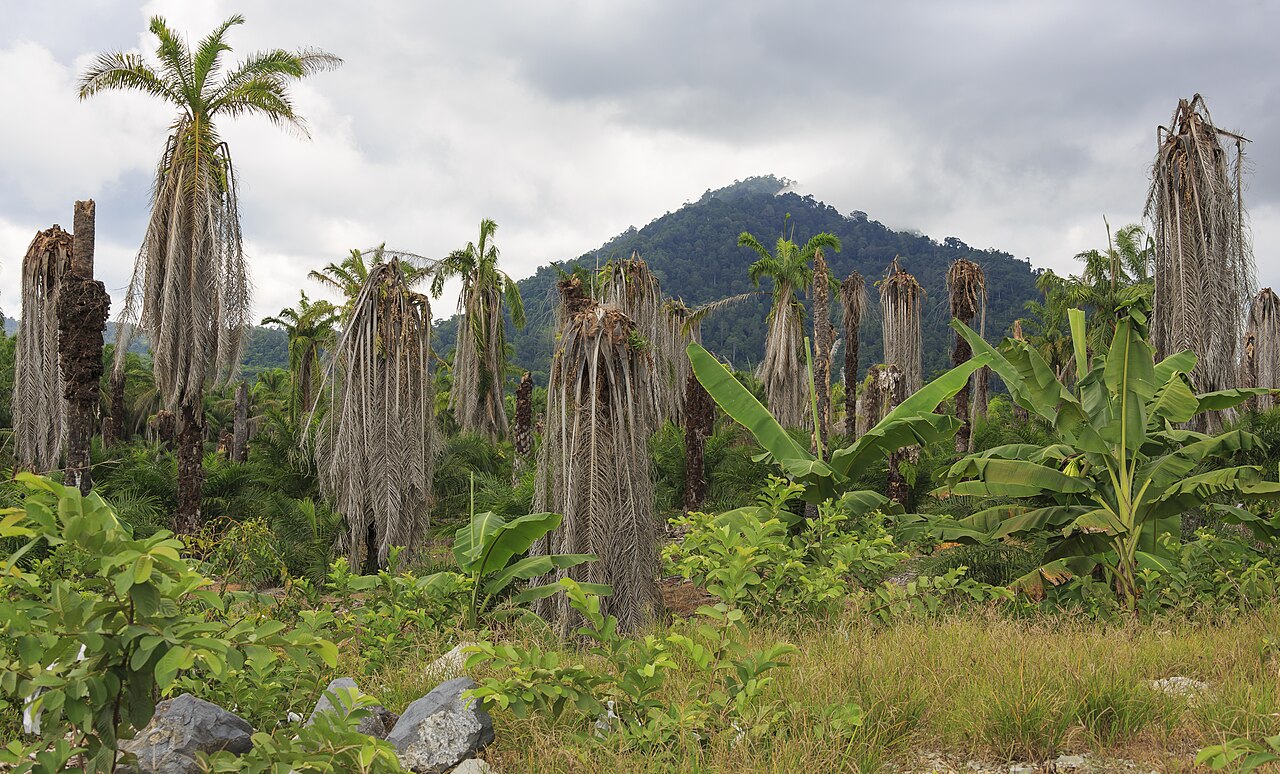
Bloomberg reports Malaysian palm oil inventories have saturated storage capacity in the nation's top-producing state as of October 27, 2026, signaling acute oversupply that pressures Crude Palm Oil (CPO) futures on Bursa Malaysia Derivatives and ripples across the global vegetable oil complex.
Malaysian Palm Oil Glut Impact on Global Vegetable Oil Markets & CPO Futures
Storage saturation in Malaysia's leading production hub — likely Sabah or Sarawak — creates immediate logistical bottlenecks that force millers to accept lower farm-gate prices or delay harvest evacuation. This physical glut transmits directly to CPO futures, where the benchmark FCPOc3 contract typically discounts when stock-to-use ratios exceed seasonal norms. The vegetable oil complex reacts in tandem: soybean oil on CBOT and sunflower oil in Black Sea ports often correlate inversely with palm availability, meaning Malaysian oversupply can drag the entire edible oil basket lower unless offset by Indonesian export policy shifts or biodiesel mandate uptake.
"When storage hits ceiling capacity in a top origin, the market prices in forced selling — not just lower offers but actual physical distress. The signal for CPO futures is unambiguous: nearby spreads will widen into contango, and the forward curve flattens as hedgers lock in whatever margin remains. Traders should watch Indonesian DMO (Domestic Market Obligation) compliance and B35 blending realization; those are the only near-term demand levers capable of absorbing this surplus."
Historical precedent from 2019-2020 shows similar storage crises in East Malaysia preceded a 15-20% correction in CPO over three months, reversed only when Indonesia tightened export levies and China restocked aggressively. Current macro context differs: global recession risks dampen import appetite, while ringgit depreciation against the dollar offers partial cushion for Malaysian exporters' local-currency returns. The transmission channel to monitor is the palm-gas oil spread — if biodiesel economics deteriorate further, industrial offtake evaporates, deepening the glut.
Key Takeaways for Agricultural Commodity Traders
- Monitor Bursa Malaysia CPO nearby spreads for contango widening — a reliable leading indicator of physical distress selling.
- Watch Indonesian export policy announcements; any relaxation of DMO or levy structure would exacerbate global oversupply.
- Track Malaysia's monthly MPOB stock reports — a build above 2.2 million tonnes typically triggers sustained price weakness.
- Hedge long vegetable oil exposure via calendar spreads or cross-commodity shorts in soybean oil to isolate palm-specific risk.
Frequently Asked Questions
How Does Malaysian Storage Saturation Affect Global Vegetable Oil Prices?
Malaysia produces roughly 25% of world palm oil; storage bottlenecks in its top state force immediate price concessions that benchmark against CBOT soybean oil and Black Sea sunflower oil, dragging the entire complex lower unless demand-side policy interventions absorb the surplus.
What Are the Key Indicators That the Palm Oil Glut Is Easing?
Watch for MPOB monthly stock draws below 2.0 million tonnes, narrowing FCPOc1-c3 contango, and Indonesian biodiesel blending rates sustaining above 30% — these signal physical clearance and demand recovery sufficient to rebalance the market.