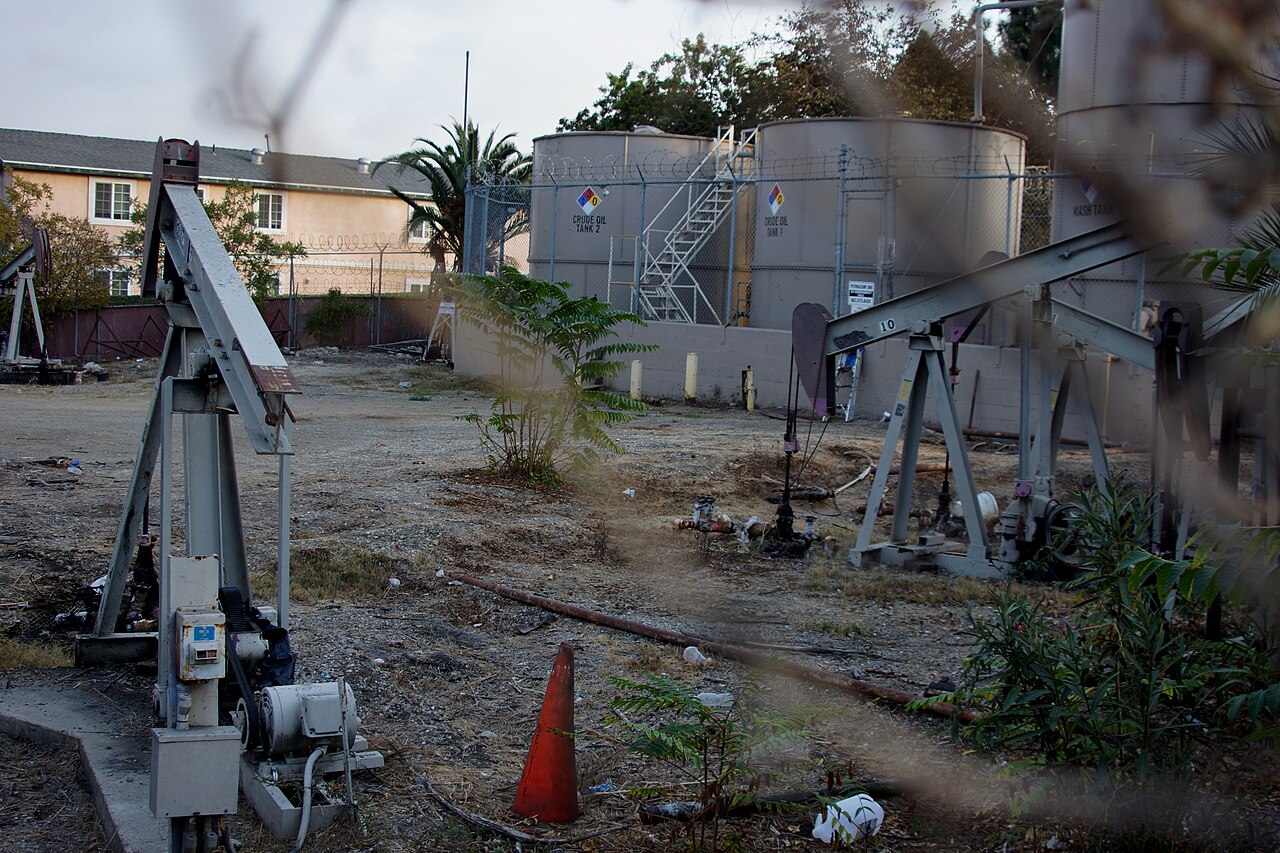
Oil prices surged on October 23, 2026, as investors priced in heightened Iran war escalation risk, lifting Brent crude above $85 on supply disruption fears. The risk premium reflects tightening global spare capacity and potential Strait of Hormuz closure scenarios threatening 20% of global supply.
Oil Market Impact: Iran Escalation Risk Rewires Supply Premium
The re-emergence of Iran conflict risk has injected a structural risk premium into crude futures curves, with backwardation steepening across the front six months as physical traders secure nearby barrels. Unlike previous flare-ups, current tightness in global inventories — OECD commercial stocks sit 4% below the five-year average — leaves minimal buffer against even partial supply losses. Saudi Arabia and UAE hold roughly 2.5 million bpd of spare capacity, but rapid deployment faces logistical constraints and political calculus.
Energy equities have outperformed broad markets, with integrated majors and exploration firms capturing the upside while refiners face margin compression from widening crack spreads. The divergence highlights how geopolitical risk transmits asymmetrically across the value chain: upstream benefits from price spikes, midstream gains on throughput volatility, while downstream absorbs input cost pressure.
"Markets are pricing a probability-weighted Strait of Hormuz disruption scenario that hasn't been this elevated since 2019. The difference today is the absence of strategic petroleum reserve ammunition — Western releases are politically constrained, and China's buying has shifted from reserve filling to commercial demand."
Fixed income markets reflect the inflation transmission channel: breakeven rates have widened 8 basis points at the 5-year tenor, pressuring central bank policy expectations. The Fed's reaction function now incorporates energy-driven headline inflation persistence, complicating the disinflation narrative that supported risk assets through mid-2026.
Key Takeaways for Energy Sector Investors
- Monitor Strait of Hormuz shipping insurance rates and tanker routing data for real-time disruption signals beyond headline rhetoric.
- Watch OPEC+ compliance metrics — any cheating on quotas would signal producer confidence in sustained high prices and undermine the risk premium.
- Expect continued divergence between upstream cash flow generation and downstream margin pressure, favoring integrated majors with hedging flexibility.
- Hedge portfolio energy exposure via long-dated call spreads on Brent rather than outright futures to limit carry cost while maintaining asymmetric upside.
Frequently Asked Questions
Will Iran Conflict Escalation Cause a 1970s-Style Oil Shock?
A full-scale 1970s-style embargo remains unlikely given diversified global supply sources and strategic reserves, but a 2-3 million bpd disruption through Hormuz would spike prices to $100-120/bbl temporarily. The duration depends on naval clearance operations and alternative routing capacity via East-West pipelines.
How Should Equity Investors Position for Energy Volatility?
Overweight integrated majors with low breakeven costs and strong balance sheets; underweight pure-play refiners without hedging programs. Consider energy infrastructure MLPs for yield resilience, as pipeline throughput contracts provide volume visibility regardless of commodity price direction.