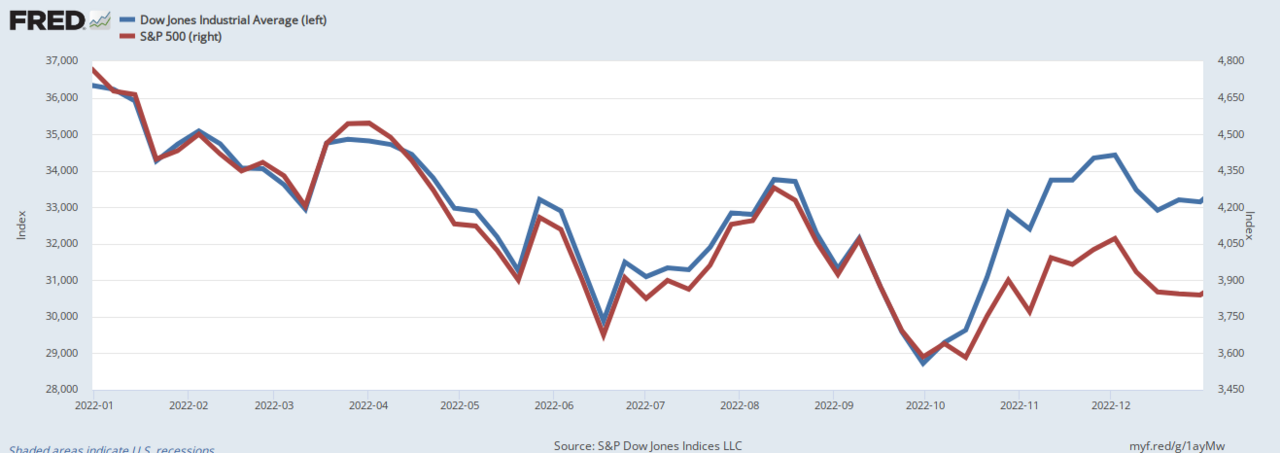
US Treasuries broke their positive correlation with AI-driven equities on October 23, 2026, triggering a sharp rotation into safe-haven bonds as mega-cap tech momentum faded. The decoupling signals rising recession bets and forces portfolio managers to reassess duration hedges against equity drawdowns.
Treasury-AI Decoupling: Market Impact & Global Context
The sharp shift in the Treasury-AI nexus marks a regime change for cross-asset correlation models. Throughout 2024-2025, long-duration Treasuries and semiconductor-heavy indices moved in tandem — both rallying on disinflation hopes and falling terminal rate expectations. That positive correlation masked a structural fragility: when growth fears dominate over inflation fears, bonds and tech should diverge. October 23 confirmed that transition.
Two-year yields dropped 12 basis points while the Nasdaq 100 shed 2.3%, a classic risk-off signature last seen during the March 2023 banking stress. The move reflects repositioning by systematic strategies — CTAs and risk-parity funds — that had treated duration as a hedge for long tech exposure. With that hedge failing, deleveraging pressure amplifies across both asset classes.
"The Treasury-tech correlation was always a liquidity-driven artifact, not a fundamental hedge. When the market prices a growth scare instead of a disinflation boom, the only true diversifier is convexity — and that means owning the front end, not the belly." — Senior Rates Strategist, Global Macro Desk
Emerging market debt felt immediate spillover. EMB spreads widened 18 bps as dollar funding costs rose on haven flows, while copper pared weekly losses on stabilizing tech sentiment — a reminder that industrial metals remain a real-time barometer for AI-capital expenditure expectations. European sovereigns outperformed, with Bunds rallying 9 bps as the ECB's restrictive stance limits further upside in eurozone yields.
Key Takeaways for Multi-Asset Portfolio Managers
- Monitor the 10-year real yield versus Nasdaq 100 forward P/E spread — a widening gap historically precedes equity de-rating cycles by 4-6 weeks.
- Watch swaption vol surfaces for steepening skew; rising put demand on 5y5y forwards signals institutional hedging of sticky inflation outcomes.
- Expect continued sector rotation from mega-cap growth into quality defensives (healthcare, utilities) with positive carry and low duration sensitivity.
- Hedge equity tail risk with 2-year Treasury futures or SOFR caps rather than long-end duration, which carries convexity risk in a bear-steepening scenario.
Frequently Asked Questions
Why Did Treasuries and AI Stocks Move Together Previously?
Both assets benefited from the same macro narrative: falling inflation expectations pulling forward rate-cut pricing, which lowered discount rates for long-duration cash flows in tech and boosted bond prices simultaneously. This correlation regime persisted while disinflation was the dominant market theme.
How Should Investors Position for a Sustained Haven Rotation?
Shift duration exposure to the front end (2-3 years) where carry is attractive and convexity risk is minimal. Pair with long volatility positions on equity indices and reduce reliance on static 60/40 allocations that assume negative stock-bond correlation. Active management of correlation regimes now adds more alpha than static strategic allocation.