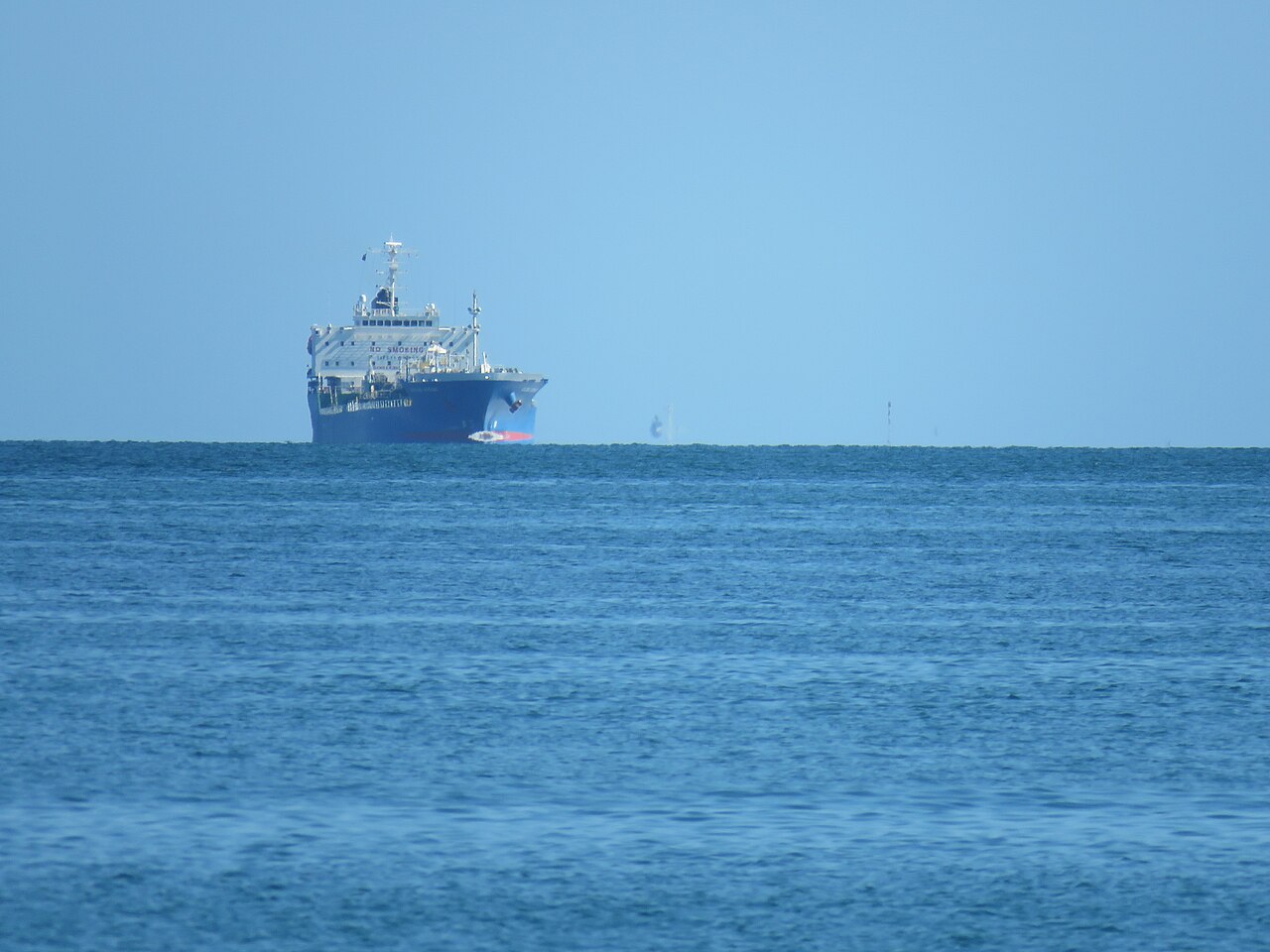
A Russian diesel transaction faces mounting legal uncertainty as sanctions compliance risks escalate, Bloomberg reported on October 24, 2026. The development pressures tanker availability and insurance coverage for Russian petroleum flows, threatening to tighten global middle distillate markets ahead of winter demand season.
Russian Diesel Sanctions Risk: Tanker Market & Insurance Transmission
The legal ambiguity surrounding this Russian diesel deal exemplifies the widening compliance gap between Western sanctions architecture and physical energy trade. Since the G7/EU price cap mechanism took effect in February 2023, every cargo of Russian origin petroleum products requires documented proof of purchase below the cap threshold to access Western insurance and shipping services. When legal uncertainty clouds a specific transaction, Protection & Indemnity (P&I) clubs — which cover 95% of global tanker liability — typically withdraw coverage rather than risk secondary sanctions exposure.
This dynamic creates immediate transmission channels into freight markets. Aframax and Suezmax rates on Baltic and Black Sea routes often spike 15-25% within days when insurers retreat, as vessel owners demand war-risk premiums or shift to the "shadow fleet" of older, opaque tankers. The latter trade at significant discounts to ICE Brent but carry higher operational risk and longer discharge windows, effectively reducing deliverable supply to European importers who have replaced Russian volumes with Middle Eastern and U.S. Gulf Coast cargoes since 2022.
"Each legal dispute over a single cargo reinforces the structural bifurcation of the tanker market. Western insurers are effectively pricing in regulatory risk that no contract clause can fully mitigate, pushing marginal Russian barrels toward non-Western buyers at wider discounts." — Senior Energy Analyst, Global Commodities Desk
For European gasoil crack spreads, the implications are asymmetric. Northwest Europe's diesel deficit — currently 1.2-1.5 million bpd — relies on precise logistics from India, the Middle East, and the U.S. Any disruption to Russian residual flows that previously transited through Baltic ports tightens barge availability in the ARA hub, supporting crack spreads even as outright price direction follows crude. Traders should monitor the ICE Low Sulphur Gasoil forward curve for backwardation deepening beyond seasonal norms, which would signal physical tightness rather than speculative positioning.
Key Takeaways for Energy Traders
- Monitor P&I club circulars and Lloyd's List Intelligence for real-time insurance withdrawal notices on specific Russian cargoes.
- Watch Aframax TD3 (Baltic-UKC) and TD6 (Black Sea-Med) freight benchmarks for divergence from non-Russian routes as a leading indicator of compliance stress.
- Expect European gasoil cracks to maintain a $3-5/bbl risk premium over Singapore cracks until legal clarity returns or alternative supply chains fully absorb displaced volumes.
- Hedge winter diesel exposure via calendar spreads (Q1 vs Q2) rather than outright longs, given the binary nature of sanctions enforcement outcomes.
Frequently Asked Questions
How Does Legal Uncertainty on a Single Cargo Affect Global Diesel Pricing?
Individual cargo disputes create precedent risk for insurers and banks, causing them to tighten due diligence across all Russian-origin flows. This raises the cost of compliance for every subsequent transaction, widening the discount on Russian barrels and reducing effective supply to price-cap coalition buyers.
Can European Refiners Fully Replace Lost Russian Diesel Volumes?
European refiners have increased runs and imports from the U.S. Gulf and Middle East, but logistical constraints — tanker transit times, port capacity, and pipeline infrastructure — create a "speed limit" on substitution. Winter demand peaks typically expose this inflexibility, supporting cracks.