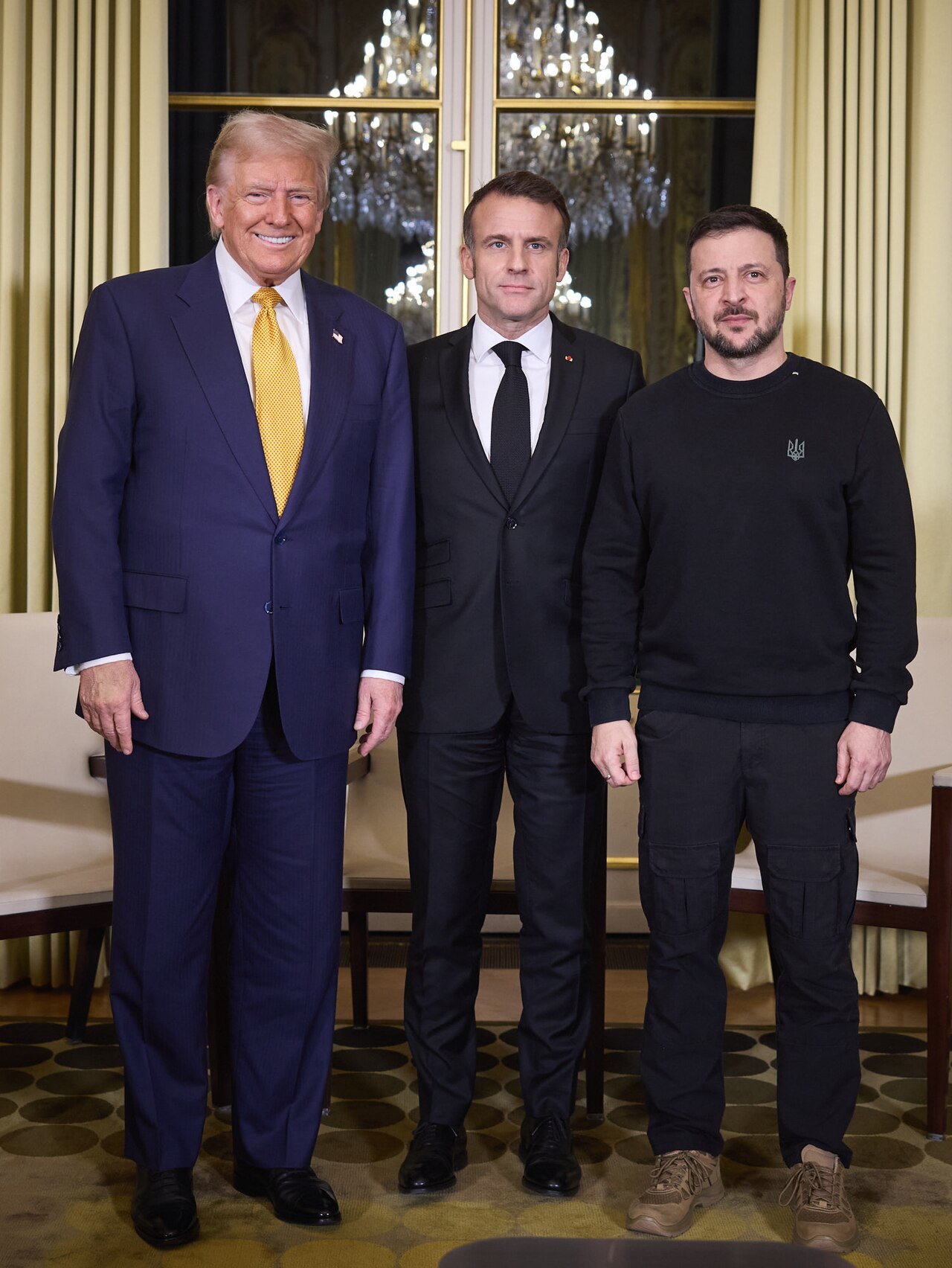
Former President Trump announced waivers on select Russia sanctions Friday as his public dispute with Ukrainian President Zelensky deepened, injecting fresh geopolitical uncertainty into global energy markets and prompting traders to reassess commodity risk premiums ahead of the U.S. election cycle.
Market Impact & Global Context: Energy Flows and Defense Allocations
The sanctions waiver arrives at a fragile moment for energy security in Europe, where LNG import infrastructure remains dependent on predictable regulatory frameworks. By easing restrictions on specific Russian entities, the move creates immediate compliance ambiguity for European banks and insurers underwriting energy shipments, potentially widening the discount on Urals crude relative to Brent. Historically, similar enforcement ambiguities in 2022–2023 triggered contango steepening in forward curves as physical traders priced in legal risk.
Simultaneously, the Zelensky rift amplifies NATO burden-sharing debates, pressuring European defense equities to price in higher indigenous procurement budgets. The transmission channel runs from fiscal policy expectations to sector rotation: capital may shift from rate-sensitive growth toward defense industrials with multi-year order visibility. Cross-asset correlations between EUR/USD, German bund yields, and defense sector indices have tightened since mid-2024, reflecting this macro-geopolitical nexus.
"The waiver signals a potential shift in U.S. enforcement posture that could complicate European compliance frameworks and create arbitrage opportunities in sanctioned commodity flows, while the diplomatic fracture forces a repricing of collective security guarantees into European fiscal risk premia."
Emerging market sovereigns with high energy import bills — particularly Turkey and India — face secondary effects: reduced clarity on secondary sanctions exposure may accelerate de-dollarization efforts in energy settlement, boosting demand for alternative payment rails. This dynamic reinforces the structural bid for gold and non-aligned reserve assets observed since 2022.
Key Takeaways for Macro and Commodity Investors
- Monitor Urals-Brent spread and European refinery run rates for early signals of sanctions enforcement divergence.
- Watch European defense budget supplementary requests and parliamentary ratification timelines as leading indicators for sector earnings revisions.
- Expect elevated implied volatility in EUR/USD and front-end European rates as markets price policy uncertainty ahead of the U.S. electoral cycle.
- Hedge commodity portfolio tail risk via long-dated energy options and gold allocations given the non-linear escalation pathway of sanctions policy.
Frequently Asked Questions
What Specific Russia Sanctions Did Trump Waive?
The waiver targets select financial and energy-related designations imposed under Executive Order 14024, primarily affecting transaction licenses for certain Russian banks and energy entities. The precise entity list remains classified but aligns with categories previously designated for limited wind-down periods.
How Might Sanctions Relief Affect Global Oil Supply Balances?
Marginal Russian barrels returning to European markets could narrow the Urals discount by $2–4 per barrel, easing physical tightness for Mediterranean refiners. However, OPEC+ production discipline and Chinese demand elasticity remain dominant drivers of the global balance, limiting the waiver's net impact on Brent flat price.