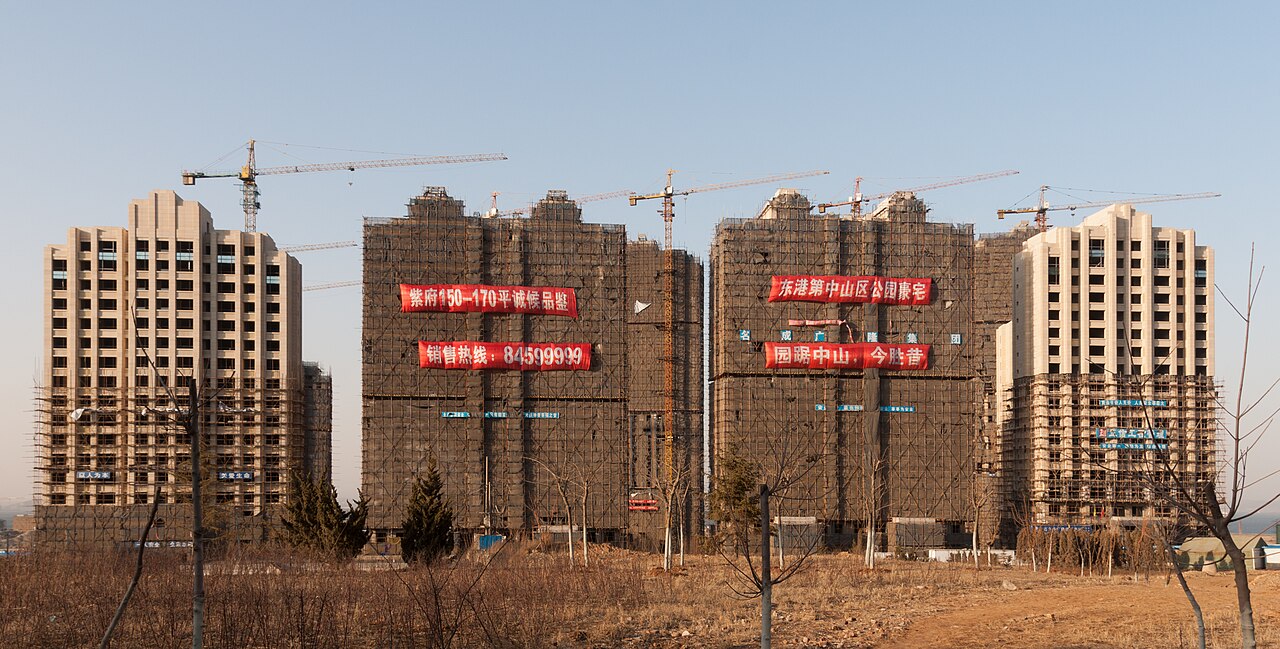
Vista Land, billionaire Manuel Villar's flagship property developer, reported a 70% plunge in net income for the third quarter of 2026 as surging construction material and labor costs overwhelmed pricing power, signaling deepening margin compression across the Philippine real estate sector amid elevated interest rates.
Vista Land Margin Collapse: Philippine Property Sector Cost Transmission Channels
The 70% earnings contraction at Vista Land reflects a structural cost-push shock rippling through Philippine residential and township development. Cement prices have risen 18% year-to-date on coal and logistics inflation, while skilled labor wages track 12% above 2023 levels as overseas deployment drains domestic supply. Unlike the 2018-2019 cycle where developers passed costs to buyers via pre-selling price hikes, current affordability ceilings — capped by Bangko Sentral ng Pilipinas (BSP) mortgage rate guidance near 7.5% — limit pass-through capacity.
Foreign portfolio investors, who historically provided 35-40% of Philippine property equity liquidity, have rotated toward Indonesian and Vietnamese developers offering clearer yield visibility. Vista Land's township model, reliant on horizontal subdivision margins, faces disproportionate exposure versus vertical condominium peers like Ayala Land and SM Prime where density economics absorb input volatility more efficiently.
"Vista Land's result is a canary for the entire Philippine property complex: when construction cost inflation outpaces the mortgage rate ceiling set by central bank policy, the pre-selling model breaks. The sector needs either BSP easing or a cement supply-side response — neither looks imminent."
BSP's policy rate at 6.5% remains restrictive for a credit-intensive sector. Historical precedent from 2014-2015 shows property earnings recovery lagged rate cuts by 2-3 quarters as developers worked through high-cost inventory. The peso's 4% depreciation versus the dollar since January further inflates imported steel and machinery costs, creating a feedback loop that could pressure Vista Land's landbanking cash flows into 2027.
Key Takeaways for Philippine Equity Investors
- Monitor BSP policy minutes for pivot signals — a 50bp cut would re-rate property sector P/E multiples by 15-20% based on 2019 easing cycle elasticity.
- Watch cement price trajectory — Holcim and Cemex Philippines capacity utilization above 85% suggests limited near-term supply relief.
- Expect sector rotation toward vertical developers with higher pre-sold inventory buffers and lower per-unit construction cost sensitivity.
- Hedge peso exposure on property holdings — continued current account deficit widening correlates with 0.6 beta to Philippine property index returns.
Frequently Asked Questions
Will Vista Land's Profit Decline Trigger a Philippine Property Sector Downgrade Cycle?
Analyst consensus suggests selective downgrades rather than sector-wide cuts. Vertical developers with >70% pre-sold ratios and diversified revenue streams (mall leasing, office, hotels) maintain investment-grade credit profiles. Horizontal township players face the sharpest estimate revisions.
How Does BSP Monetary Policy Transmission Affect Philippine Developer Margins?
BSP rate changes transmit to developer margins through two channels: mortgage affordability (demand side) and construction financing costs (supply side). With 60% of homebuyers using bank financing, a 100bp policy easing typically lifts pre-selling take-up rates by 8-12% within two quarters, per 2019-2020 data.