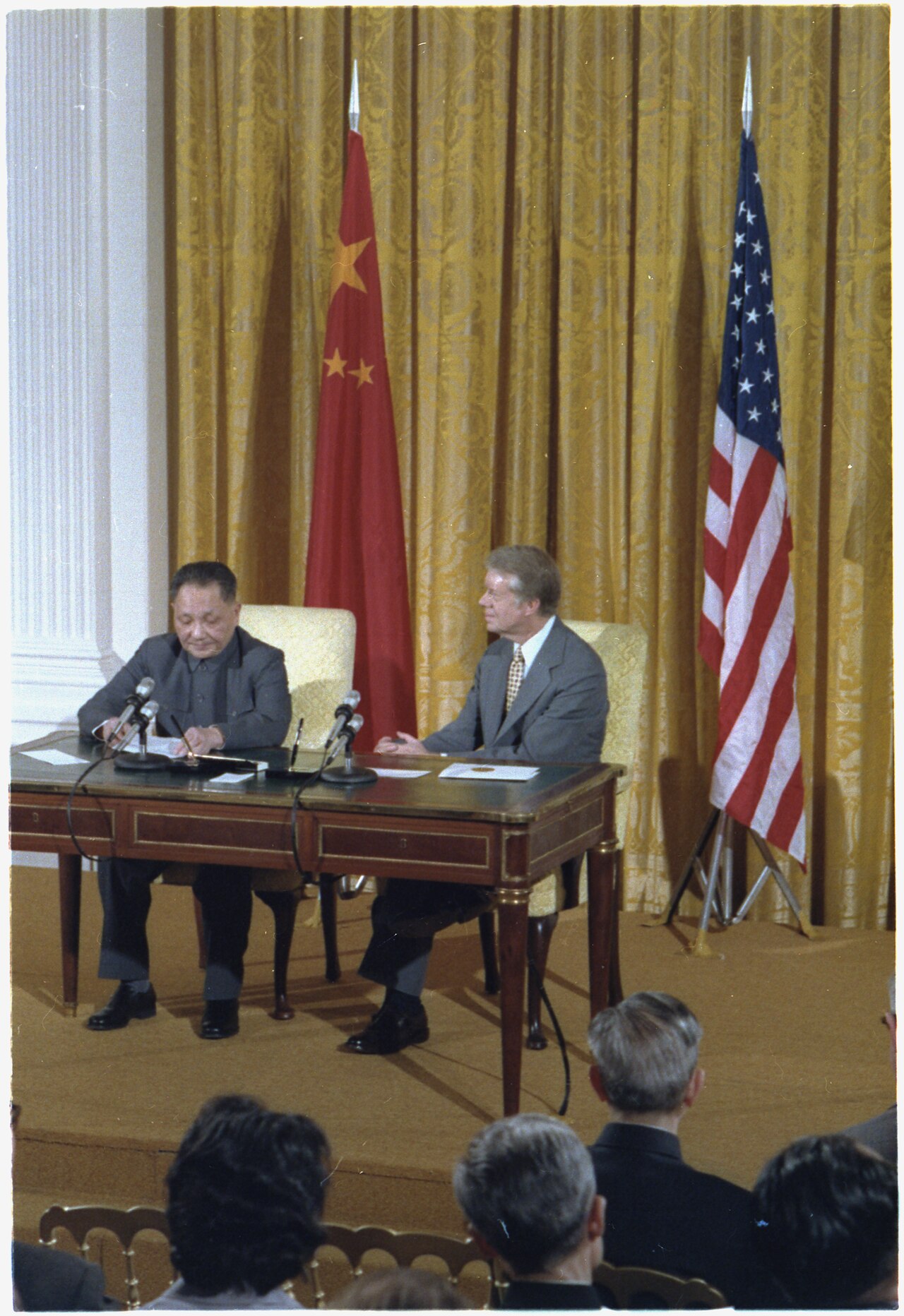
Former Federal Reserve official Stephen Roach warned on October 20, 2026, that President Xi Jinping may be leveraging potential Trump summits to buy strategic time, escalating geopolitical uncertainty that could roil global equity markets and disrupt critical supply chains.
Market Impact & Global Context: US-China Strategic Competition Intensifies
Roach's analysis, delivered via Bloomberg Television, frames the prospective Trump-Xi engagement as a tactical maneuver rather than a strategic thaw. The former Morgan Stanley Asia chairman argues Beijing views high-level diplomacy as a mechanism to delay confrontation over semiconductors, tariff architecture, and Taiwan Strait security — buying runway for domestic stimulus to take hold while the U.S. political cycle turns.
This interpretation carries immediate weight for cross-asset allocation. Equity markets in Seoul, Taipei, and Shenzhen have historically exhibited heightened beta to summit rhetoric, with semiconductor supply chains — from ASML lithography to TSMC foundry capacity — pricing in regulatory risk premiums. The yuan's offshore-forward spread widened following the commentary, reflecting option-market skepticism toward durable de-escalation. Meanwhile, dollar-denominated Asian high-yield credit spreads remain elevated, signaling persistent capital-flight hedging.
"Roach's assessment suggests Beijing views diplomatic engagement as a tactical pause rather than strategic pivot, implying structural tensions over technology transfer and trade architecture will persist regardless of summit optics," said a senior geopolitical strategist at a major New York investment bank. "Markets should price a higher probability of episodic escalation in export controls and entity-list designations through 2027."
The transmission channels extend beyond direct bilateral trade. Southeast Asian manufacturing hubs — Vietnam, Malaysia, Indonesia — face renewed "friend-shoring" pressure as multinationals diversify away from single-point China exposure. European automakers, already navigating EV subsidy disputes, confront compounding regulatory divergence. For portfolio managers, the Roach thesis reinforces overweight positioning in domestic-demand-led Indian equities and Mexican nearshoring beneficiaries, while underweighting sectors with concentrated China revenue dependency.
Key Takeaways for Global Macro Investors
- Monitor US-China diplomatic calendar for summit signaling on tariff rollback scope and entity-list modifications.
- Watch yuan volatility and offshore-forward spreads as real-time gauges of market confidence in bilateral stability.
- Expect continued semiconductor and AI export-control escalation regardless of summit photo-ops or joint statements.
- Hedge portfolio geopolitical exposure via diversification across non-aligned emerging markets and domestic-demand champions.
Frequently Asked Questions
How Do Trump-Xi Summits Historically Impact Global Markets?
Previous Trump-Xi engagements in 2017-2019 produced short-term risk-on rallies in Asian equities and yuan appreciation, but gains typically reversed within 60-90 days as structural disputes over intellectual property and industrial policy resurfaced. The 2019 Osaka G20 truce triggered a 4% MSCI China bounce that fully retraced before Phase One signing.
What Sectors Face Highest Risk From Prolonged US-China Strategic Competition?
Semiconductors, advanced packaging, AI compute infrastructure, and rare-earth processing face the most acute regulatory risk. Companies with >30% China revenue exposure in these verticals trade at persistent valuation discounts versus peers with diversified geographic footprints, reflecting a structural "geopolitical beta" premium embedded by institutional allocators.