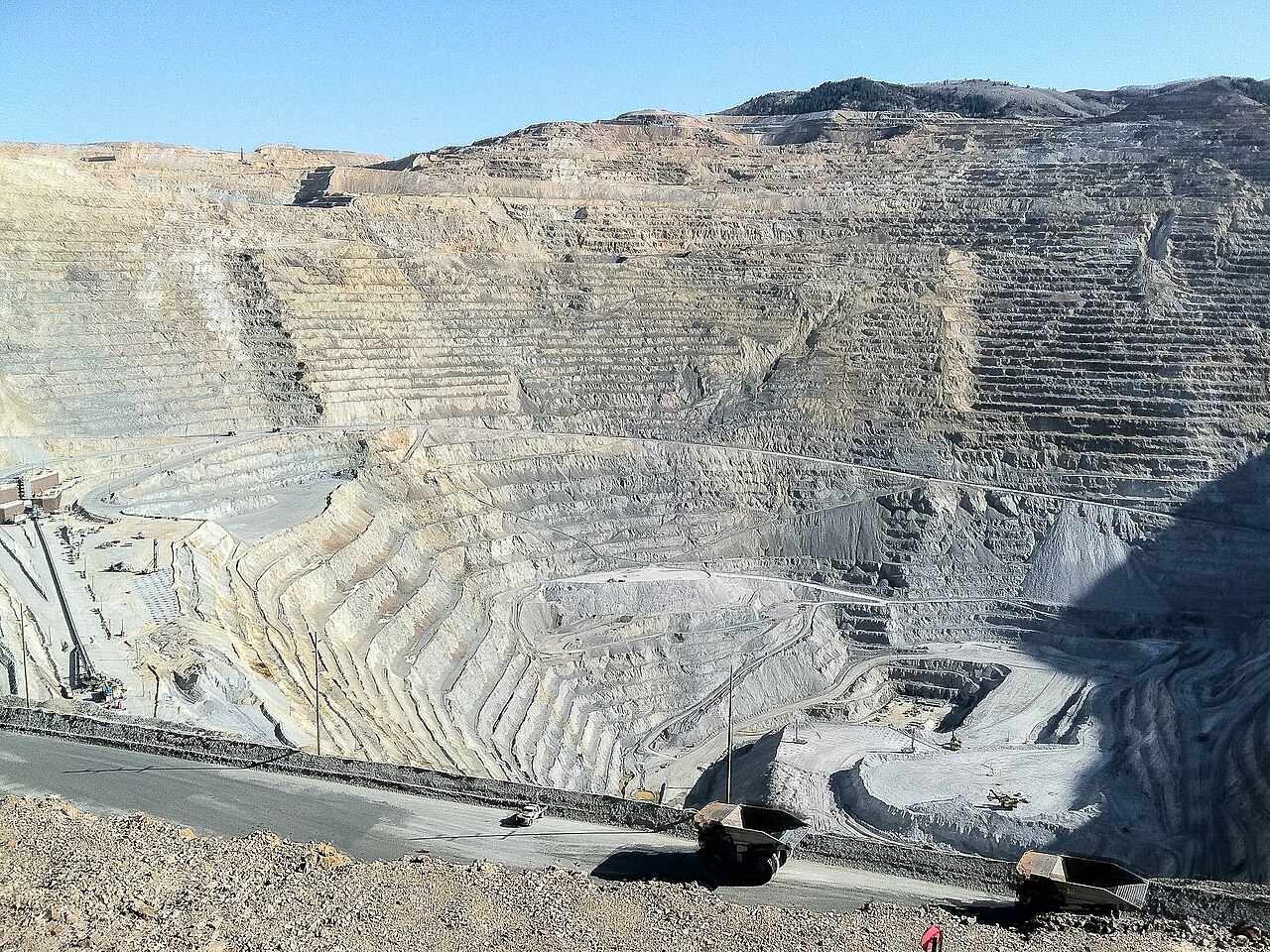
Freeport-McMoRan is revisiting shelved expansion projects on October 28, 2026, as copper prices surge to multi-year highs, signaling renewed confidence in structural demand from electrification and grid infrastructure. The move highlights tightening supply dynamics and potential upside for FCX shareholders.
Copper Market Impact & Global Supply Context
Freeport's decision to dust off growth plans reflects a broader recalibration across the mining sector. Copper inventories on the LME and COMEX have drawn down sharply in 2026, while Chinese smelter operating rates face pressure from concentrate shortages — a dynamic measured by falling treatment and refining charges (TC/RCs). The energy transition's copper intensity, from EV charging networks to offshore wind interconnectors, creates a demand floor that marginal supply cannot easily meet.
Indonesia's export regulations and permitting delays at Grasberg, alongside political risk in Peru and Chile, constrain near-term volume growth. Freeport's unique asset mix — including the world's largest gold reserve at Grasberg alongside its copper output — provides a hedge that pure-play copper miners lack. Capital discipline remains paramount; the market will scrutinize whether revived studies translate into sanctioned projects with returns exceeding the cost of capital.
"The decision to restart growth studies reflects a fundamental shift in how major miners view the copper demand trajectory. It's not just cyclical; it's structural. Freeport's move signals that the industry believes the energy transition's metal intensity is being underestimated by consensus forecasts."
Chile's declining ore grades and water constraints, combined with Peru's social license challenges, mean new supply requires higher incentive prices. Freeport's U.S. assets, including Bagdad and Morenci, offer jurisdictional stability but face permitting timelines that stretch beyond five years. The concentration of smelting capacity in China adds geopolitical fragility to the concentrate market.
Key Takeaways for Copper Investors
- Monitor TC/RC benchmarks for signals of concentrate market tightness ahead of 2027 contract negotiations.
- Watch Grasberg permitting progress and Indonesian policy shifts as the primary catalyst for Freeport's volume outlook.
- Expect disciplined capital allocation — management has emphasized returns over growth, so project sanctioning will require robust economics at $4.00/lb copper.
- Hedge geopolitical risk via diversified copper exposure across Chile, Peru, DRC, and U.S. jurisdictions.
Frequently Asked Questions
Why is Freeport restarting growth plans now?
Freeport is responding to a sustained copper price rally driven by structural demand from electrification and constrained mine supply. The company's leadership sees current price levels as supportive of economic returns on expansion projects that were previously shelved during the 2023-2024 downturn.
How does electrification demand affect long-term copper prices?
Electrification creates a secular demand tailwind — EVs, grid upgrades, and renewable infrastructure require 2-4x more copper than fossil fuel systems. With mine supply growth lagging, the market likely needs higher incentive prices to unlock new projects, supporting a structural floor for copper above historical averages.