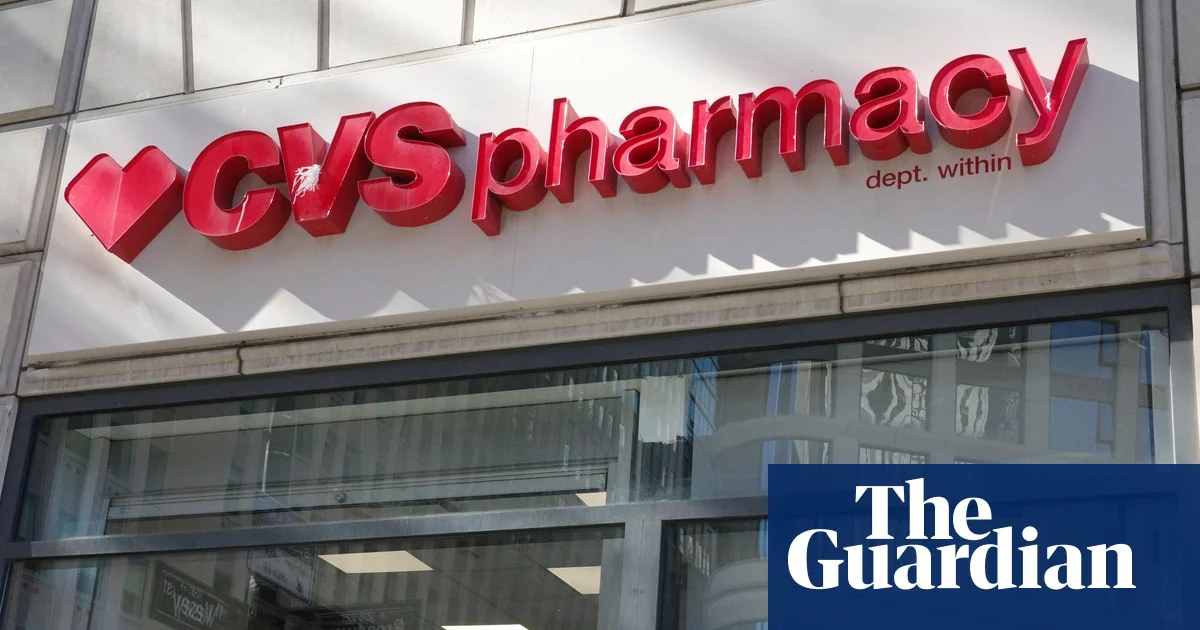
CVS Health will separate its 9,000 retail pharmacies and mail-order business into a new entity named CVS Pharmacy, while retaining the Aetna insurer and Caremark pharmacy benefits manager under the CVS Health name, targeting completion by early 2028.
Key Takeaways
- CVS Health splits into two public companies: CVS Pharmacy (retail/mail-order) and CVS Health (Aetna/Caremark/services), targeting early 2028 completion.
- The $117bn conglomerate reverses its 2018 $70bn Aetna vertical integration strategy under pressure from state laws (AR, TN) and federal bipartisan legislation (Hawley-Warren).
- Top three healthcare conglomerates (CVS, UnitedHealth, Cigna) control ~80% market share; all face similar structural scrutiny.
- David Joyner leads the remaining CVS Health (insurance/PBM); CEO for standalone CVS Pharmacy not yet named; debt allocation and tax structure undisclosed.
- CVS shares fell to $44 in late 2024 on growth concerns; market now prices standalone valuations and execution risk of complex disentanglement.
Executive Intelligence Brief
Structure of the Separation
The announced structure creates two distinct public companies. CVS Pharmacy will house the retail footprint of approximately 9,000 stores, in-store health clinics, and the mail-order prescription business. The remaining CVS Health entity will retain the major insurer Aetna, the pharmacy benefits manager Caremark, and the company's growing portfolio of home-visit and primary-care services for older adults.
David Joyner, who serves as chief executive and chair of the combined company, will lead the healthcare solutions business retaining the CVS Health name. The company has not yet named a chief executive for the standalone CVS Pharmacy entity. The separation is planned for early 2028, though the specific tax structure — whether a spin-off or split-off — and the allocation of the combined entity's debt load remain undisclosed.
Regulatory and Legislative Catalysts
The decision marks a sharp reversal from CVS Health's prior stance. A company spokesman previously argued that legislative efforts to force a breakup would "open the door to private equity stripping the entire U.S. healthcare system for parts." That resistance collapsed under sustained bipartisan pressure at both state and federal levels.
Arkansas and Tennessee have enacted laws prohibiting pharmacy benefit managers from owning or operating retail and mail-order pharmacies. Arkansas state representative Jeremiah Moore, a Republican sponsor of the bill, told Politico: "The average American citizen is really tired of being pushed around and bullied, whether it be from the government or a monopolistic company." He added: "For far too long, they've taken advantage of these sick people, and it's what I consider to be crony capitalism. They're bending the rules to benefit their own bottom line."
At the federal level, Senators Josh Hawley (Republican, Missouri) and Elizabeth Warren (Democrat, Massachusetts) introduced bipartisan legislation targeting the vertical integration model. Hawley described the bill as "a major step toward restoring transparency and making healthcare more affordable for every American." Other states have proposed similar restrictions.
Market Concentration and Competitive Dynamics
The three largest healthcare conglomerates — CVS Health, UnitedHealth Group, and Cigna — control roughly 80% of the market. All three pursued similar vertical integration strategies, combining insurers, pharmacy benefit managers, and mail-order or specialty pharmacies under single corporate umbrellas. UnitedHealth's Optum unit and Cigna's Express Scripts operate under comparable structures.
CVS Health generated over $400 billion in revenue last year, yet the conglomerate structure failed to meet investor growth expectations. The share price fell to $44 in late 2024 before recovering. The market will now assess whether the sum of the parts exceeds the whole, particularly whether the standalone pharmacy retailer can sustain margins without the internal PBM volume guarantee, and whether the health solutions business can grow without the captive retail distribution channel.
Forward Outlook and Execution Risks
Key milestones include the finalization of the separation structure, regulatory clearances, and the naming of leadership for CVS Pharmacy. Investors should monitor the implementation of the Arkansas and Tennessee laws, which take effect on varying timelines and could force operational changes before the corporate separation completes. The trajectory of the Hawley-Warren bill will signal federal appetite for structural remedies beyond state-level action. The early 2028 target implies a complex 18-to-24-month execution window involving tax rulings, SEC filings, and the disentanglement of deeply integrated IT, supply chain, and clinical operations.