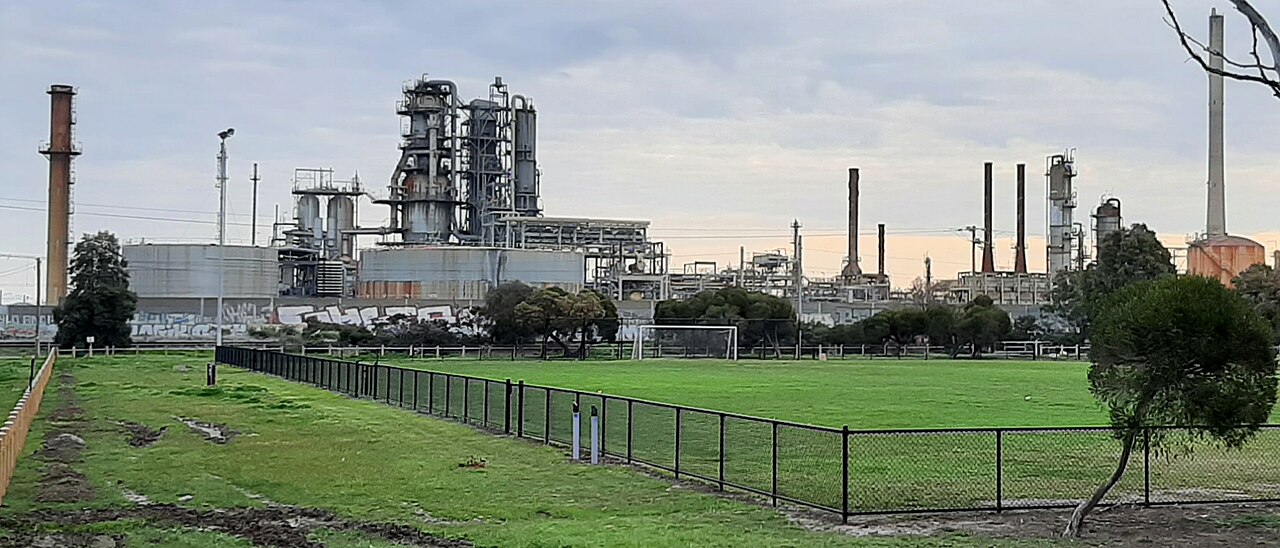
Escalating conflicts in the Middle East and Ukraine have curtailed global fuel production capacity, pushing refining margins significantly higher. The simultaneous supply disruptions create a structural deficit in processed petroleum products, tightening physical markets and elevating the geopolitical risk premium across the energy complex.
Persistent underinvestment in downstream infrastructure over the past decade has left the global refining system vulnerable to simultaneous shocks. Sanctions targeting Russian energy flows, combined with Red Sea shipping diversions and potential threats to Middle Eastern export routes, have fragmented logistics networks. This fragmentation forces crude and product tankers onto longer voyages, effectively reducing available shipping capacity and widening location-specific price differentials for diesel, gasoline, and jet fuel.
Market Impact & Transmission Channels
The immediate transmission mechanism operates through crack spreads, the difference between crude input costs and refined product prices. As capacity utilization hits operational ceilings, marginal barrels of product clear at progressively higher premiums. This dynamic lifts revenue for integrated majors and independent refiners while pressuring marketing margins at the pump. Higher wholesale product costs feed directly into consumer price indices, complicating central bank efforts to anchor inflation expectations and potentially delaying policy easing cycles in developed economies.
Structural tightness in middle distillates suggests the current margin environment reflects a durable supply-side constraint rather than a cyclical demand spike, implying sustained upside risk to refining economics through the winter heating season.
Currency markets reflect the terms-of-trade shift; energy-exporting nations see current account support while net importers face widening deficits. Equity markets discriminate between upstream producers, constrained by OPEC+ quotas, and downstream operators capturing the full value of scarcity rents. Credit spreads for refining-heavy issuers have compressed as cash flow visibility improves, contrasting with petrochemical peers suffering from demand destruction driven by elevated naphtha feedstock costs.
Key Takeaways for Investors
- Monitor: Weekly EIA and IEA inventory reports for draws in middle distillate stocks signaling sustained physical tightness.
- Expect: Continued widening of Brent-Dubai and WTI-Brent spreads as freight economics reroute crude flows away from conflict zones.
- Assess: Refinery turnaround schedules for Q4 2024 and Q1 2025; unplanned outages in a tight market trigger disproportionate margin spikes.
- Evaluate: Long positions in crack spread futures or refinery-equity beta as a hedge against persistent geopolitical supply disruption.
Frequently Asked Questions
How do Middle East and Ukraine conflicts specifically reduce fuel production capacity?
Attacks on energy infrastructure in Ukraine and shipping risks in the Red Sea disrupt both crude supply logistics and the transit of finished products. Simultaneously, sanctions on Russian refined exports remove significant global supply, while regional instability threatens Middle Eastern refining operations and export terminal availability.
What is the outlook for refining margins if geopolitical tensions de-escalate?
Even with de-escalation, structural deficits persist due to years of capacity rationalization in Europe and North America and lack of greenfield investment. Margins would likely normalize from peak levels but remain elevated above the 10-year average until significant new capacity comes online post-2026.