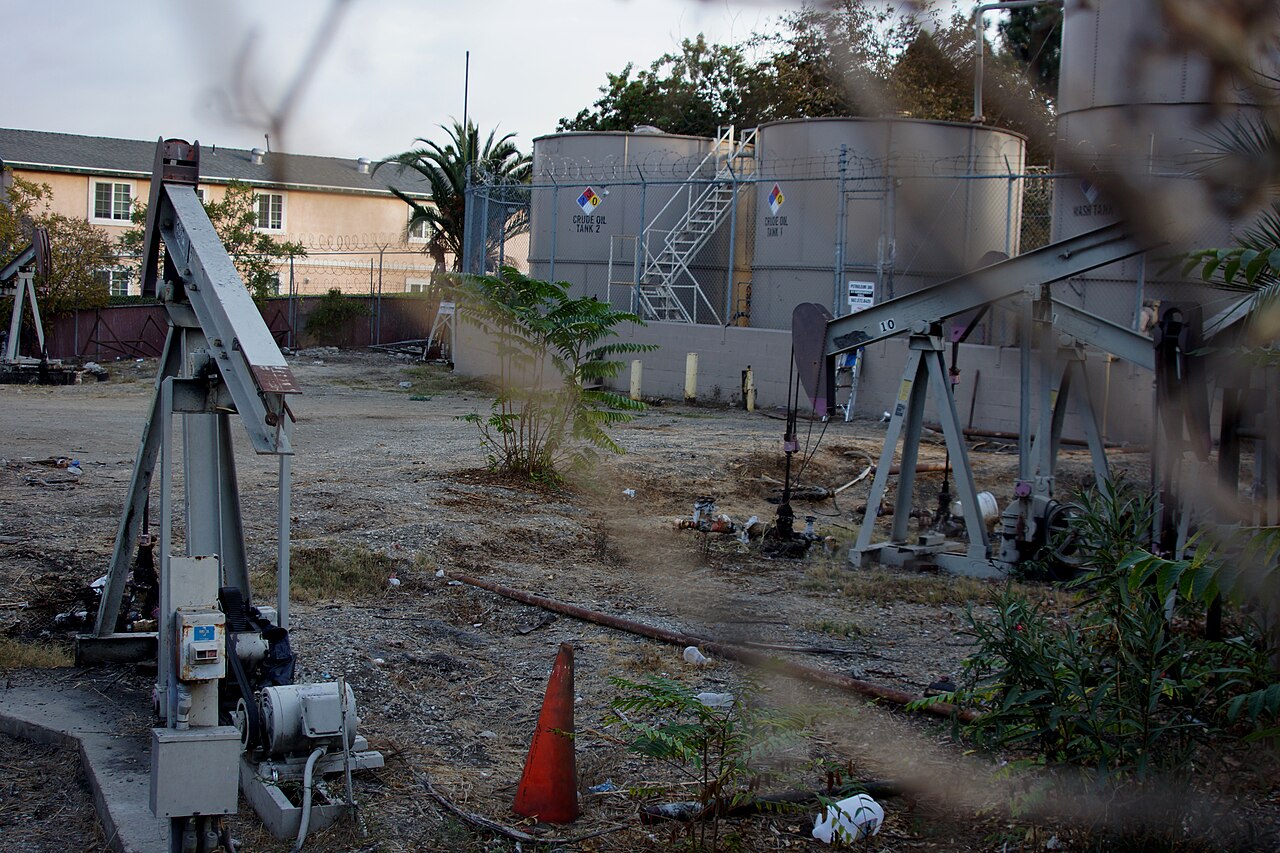
Oil prices surged on October 24, 2026, as escalating Middle East tensions injected a fresh geopolitical risk premium into Brent and WTI benchmarks while Russian diesel cargoes reached US Gulf Coast terminals, reshaping refining economics and testing sanctions enforcement.
Market Impact & Global Context
The convergence of heightened Middle East conflict risk and sanctioned-origin product flows creates a structural dislocation across the energy complex. Brent crude's forward curve steepened into backwardation as traders priced supply disruption scenarios, while US Gulf Coast ultra-low sulfur diesel (ULSD) crack spreads compressed under the weight of discounted Russian barrels clearing through opaque intermediaries. This dual shock — upward pressure on crude flat price, downward pressure on product cracks — squeezes refinery margins precisely as seasonal maintenance concludes and winter heating demand approaches.
The simultaneous arrival of Middle East supply fears and Russian product flows creates a rare dual shock — one lifting the risk premium on crude, the other compressing distillate cracks — forcing refiners to recalibrate throughput in real time.
— Senior Energy Strategist, Major Commodity House
Macro correlations amplify the signal. The geopolitical risk premium now embedded in crude futures feeds directly into inflation expectations, a dynamic that has historically prompted central banks to maintain restrictive policy stances — a transmission channel explored in recent analysis of ECB rate hikes driving bond yields higher and Riksbank repo rate moves lifting obligations. Higher energy costs filter into headline CPI, constraining monetary easing cycles and supporting the dollar, which in turn pressures emerging market currencies and commodity demand.
Physical market tightness persists despite the Russian diesel influx. OPEC+ spare capacity remains limited, Strategic Petroleum Reserve levels are historically low, and global distillate inventories sit below the five-year average. The Russian barrels — likely transshipped through third countries to obscure origin — provide marginal relief to US distillate balances but do not address the structural crude deficit that would emerge from a Hormuz Strait disruption. Traders are increasingly using Dubai-Oman spreads and Brent-Dubai EFS (Exchange of Futures for Swaps) as real-time barometers of Middle East supply anxiety.
Key Takeaways for Energy Traders
- Monitor Brent-Dubai EFS and Dubai-Oman spreads for early signals of physical crude diversion away from Asian buyers toward European replacement demand.
- Watch US Gulf Coast ULSD crack spreads and RIN (Renewable Identification Number) prices for margin compression signals that could trigger refinery run cuts.
- Expect continued dollar strength if energy-driven inflation delays Fed easing, pressuring EM currencies and creating cross-asset volatility.
- Hedge geopolitical tail risk via long-dated Brent call spreads rather than outright futures to limit carry cost in a contango-prone long end.
Frequently Asked Questions
How Do Middle East Tensions Typically Impact Brent-WTI Spreads?
Escalation in the Middle East historically widens the Brent-WTI spread as Brent, the global waterborne benchmark, prices in freight insurance surges and Suez/Hormuz transit risk, while WTI remains relatively insulated by domestic production and pipeline infrastructure.
Can Russian Diesel Legally Enter the US Market Under Current Sanctions?
Direct imports of Russian petroleum products are prohibited under US sanctions; however, cargoes blended or transshipped through third countries with altered documentation frequently enter US ports as non-Russian origin, creating enforcement challenges for OFAC and Customs.