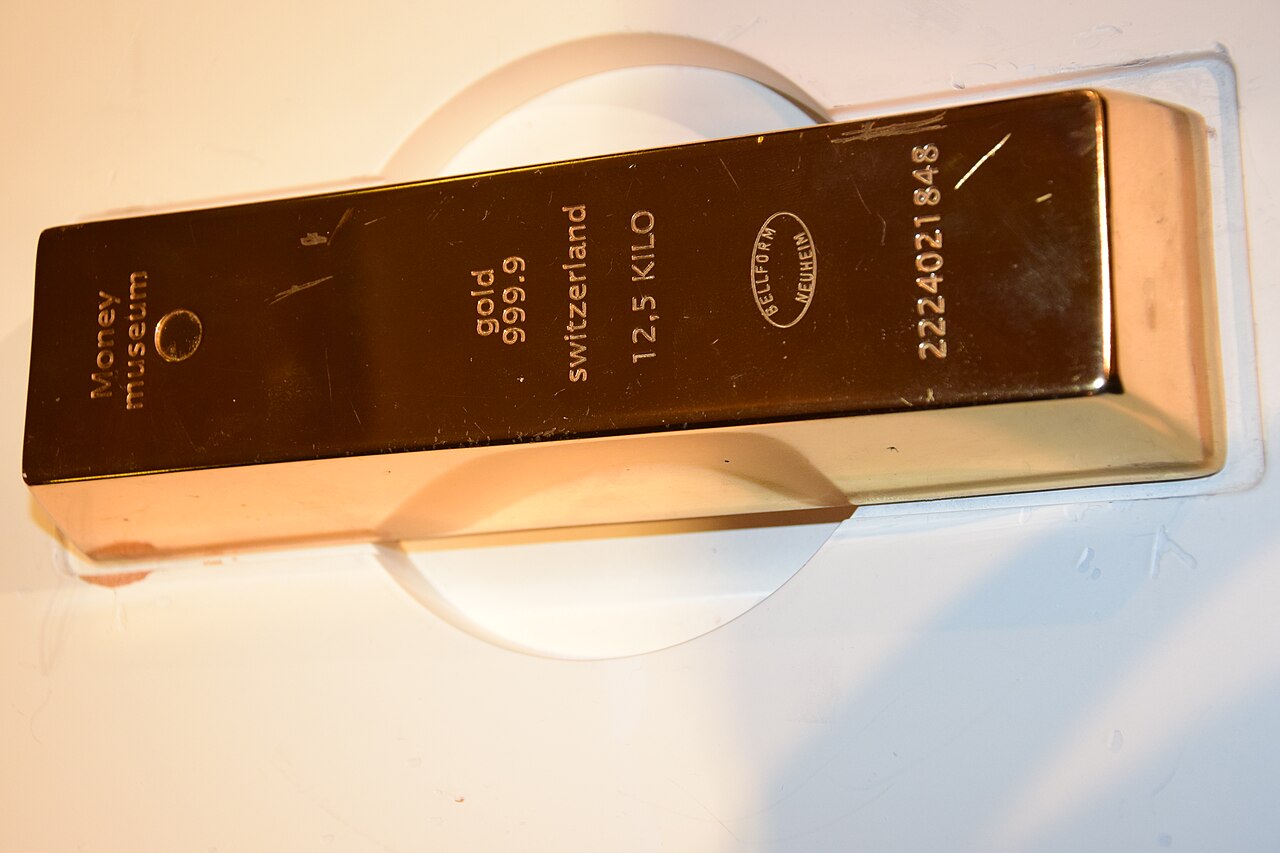
Gold consolidated above the historic $4,000 per ounce threshold on , as markets braced for the Federal Reserve's policy announcement, with bullion's resilience reflecting deepening haven demand amid persistent inflation uncertainty and elevated geopolitical risk premiums.
Gold Market Impact: Fed Decision Drives Haven Flows
The yellow metal's ability to hold the psychologically critical $4,000 level signals a structural shift in safe-haven allocation dynamics. Unlike previous rallies driven purely by real-yield compression, current strength reflects concurrent central bank accumulation, ETF inflow persistence, and a recalibration of fiat debasement hedges across sovereign wealth funds. The Bloomberg report underscores that traders are positioning for a Fed decision that could either validate the higher-for-longer narrative or trigger a dovish repricing — both scenarios historically supportive for non-yielding assets.
Critically, the gold-to-S&P 500 ratio has broken multi-decade resistance, suggesting capital rotation toward monetary metals is accelerating beyond tactical trades. This mirrors the 2009-2011 phase when Fed held rates higher for longer amid accelerating inflation, yet gold surged 150% as negative real rates persisted. Today's backdrop adds de-dollarization pressures and fiscal dominance concerns that were absent in prior cycles.
"The $4,000 floor isn't technical — it's a valuation anchor reflecting global reserves' structural reallocation. Whether the Fed pauses or cuts, the opportunity cost of holding bullion remains negative in real terms across G7 currencies. That's the regime change."
Transmission channels into mining equities remain asymmetric: senior producers with low all-in sustaining costs and unhedged revenue exposure offer operational leverage, while junior explorers face financing headwinds if the Fed maintains restrictive policy. The ECB and emerging market central banks face similar dilemmas, creating a coordinated but asynchronous easing cycle that historically amplifies gold's cross-currency bid.
Key Takeaways for Precious Metals Investors
- Monitor the 2-year real yield trajectory post-FOMC — a sustained move below 1.5% typically triggers the next leg of institutional allocation.
- Watch COMEX open interest versus LBMA vault flows for divergence signaling paper versus physical market stress.
- Expect central bank buying to remain above 80 tonnes quarterly regardless of rate path, per WGC data trends.
- Hedge mining equity beta via long-dated call spreads on GLD or physical allocated accounts to isolate monetary premium from operational risk.
Frequently Asked Questions
Will the Fed Cut Rates in November 2026 After Holding in October?
Market pricing implies a 65% probability of a December cut if October holds steady, but sticky services inflation and labor market resilience could push the first easing to Q1 2027. Gold's current level prices in a shallow cutting cycle, not a pivot.
How Does Gold Perform When Real Yields Rise But Inflation Expectations Rise Faster?
Historically, gold rallies when breakeven inflation accelerates faster than nominal yields, compressing real rates despite Fed tightening. This "inflation surprise" regime characterized 1970s and 2000s bull markets, and current TIPS breakevens suggest a repeat dynamic.