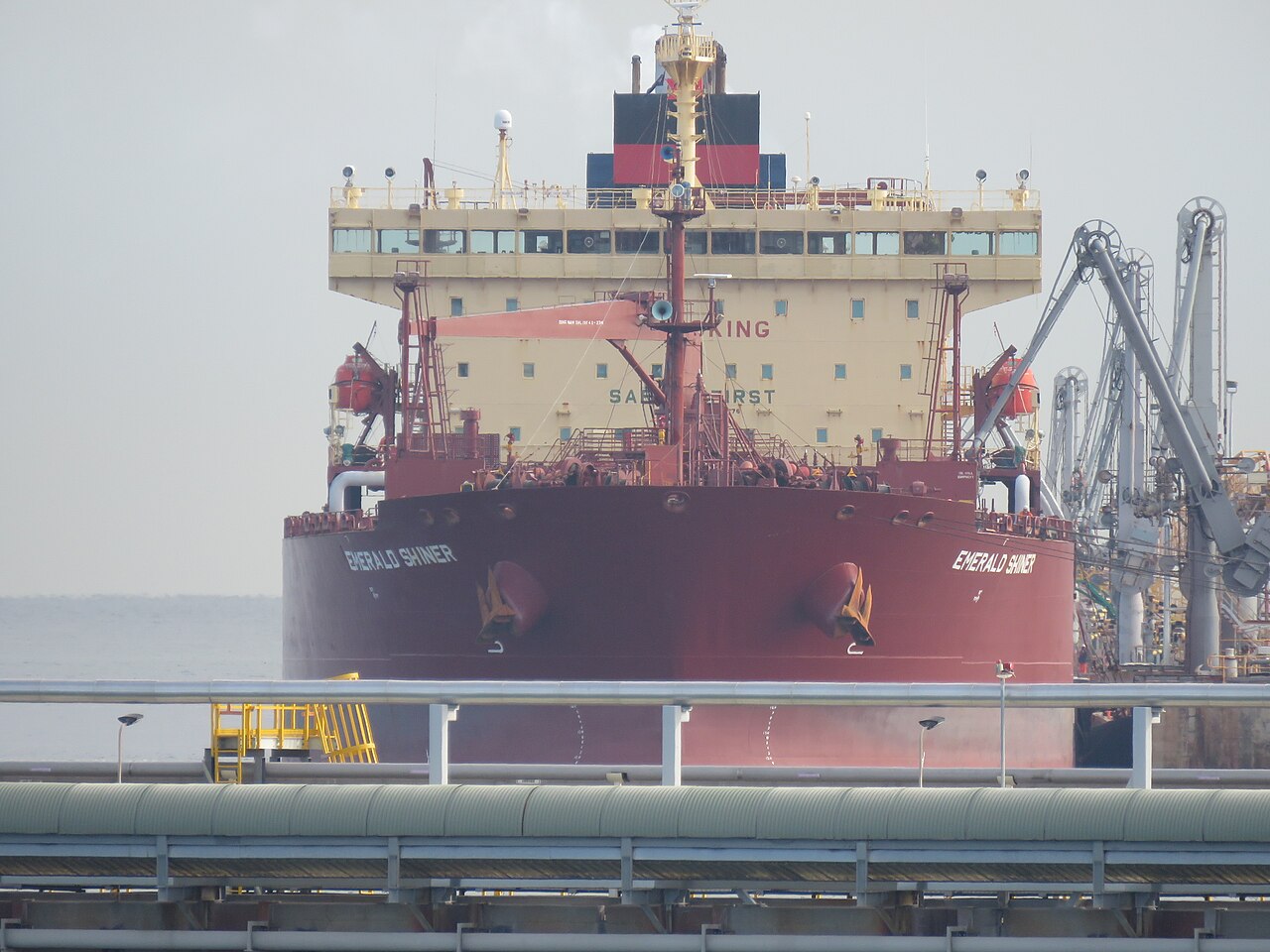
Russia's seaborne crude exports climbed to a one-month high in the week ended October 25, driven by a sharp recovery at Baltic terminals including Primorsk, though four-week average flows remain below recent peaks. The rebound eases immediate supply concerns but underscores the fragility of Russian logistics under persistent sanctions pressure.
Russia Oil Export Rebound: Market Impact & Global Context
The weekly surge in Russian loadings, particularly from the Baltic, injected short-term relief into a physical crude market that has tightened on OPEC+ discipline and seasonal refinery maintenance. Primorsk's recovery — a critical outlet for Urals — signals that logistical bottlenecks caused by sanctions enforcement and insurance restrictions may be temporarily easing. However, the four-week moving average still trails the September highs, suggesting the uptick reflects catch-up loading rather than a structural capacity expansion.
For European refiners, the improved Baltic availability offers a marginal alternative to Middle Eastern grades, though price discounts on Urals versus Brent remain wide enough to limit substitution. The data also complicates the G7 price cap calculus: higher volumes at capped prices reduce Russian fiscal revenue per barrel, but sustained flows undermine the coalition's broader goal of constraining Moscow's war financing. Traders should monitor whether the rebound extends into November, when seasonal weather and renewed sanctions scrutiny typically curb Baltic loadings.
"The Primorsk bounce is a tactical recovery, not a strategic breakout. Russian logistics remain hostage to a shadow fleet that is aging, increasingly scrutinized, and expensive to insure. Four-week averages tell the real story — and they're still drifting lower."
Global benchmarks reacted modestly; Brent futures pared early gains as the market digested the volume data alongside demand signals from China's latest manufacturing PMI. The correlation between Russian export volatility and Urals-Brent spreads has tightened since mid-2024, making weekly tanker tracking a leading indicator for differential trades. Meanwhile, European equities have shown sensitivity to energy cost fluctuations, with banking sectors benefiting from improved risk sentiment when supply fears recede.
Key Takeaways for Energy Traders
- Monitor Primorsk and Ust-Luga loading programs for November — seasonal ice and sanctions audits historically cut Baltic throughput 10-15% month-on-month.
- Watch Urals-Brent discount widening beyond $18/bbl as a signal that Russian supply is outpacing offtake capacity despite the weekly bounce.
- Track shadow fleet designations by the EU and UK; each new vessel listing reduces effective Russian lifting capacity by an estimated 200-300 kb/d.
- Hedge exposure to Russian crude via Dubai or Brent swaps rather than physical Urals, given persistent settlement and insurance frictions.
Frequently Asked Questions
Will Russian Oil Exports Sustain This Rebound Into November 2026?
Historical patterns suggest Baltic loadings decline in November due to weather and scheduled maintenance. Sanctions enforcement typically intensifies before winter, making a sustained rebound unlikely without a structural shift in fleet availability or insurance terms.
How Do Russian Export Volumes Influence Urals-Brent Spreads?
Urals discounts widen when Russian loadings exceed 3.4 million bpd on a four-week basis, as limited buyer pools and logistics constraints create localized gluts. The current four-week average remains below that threshold, supporting a narrower discount near $15-17/bbl.