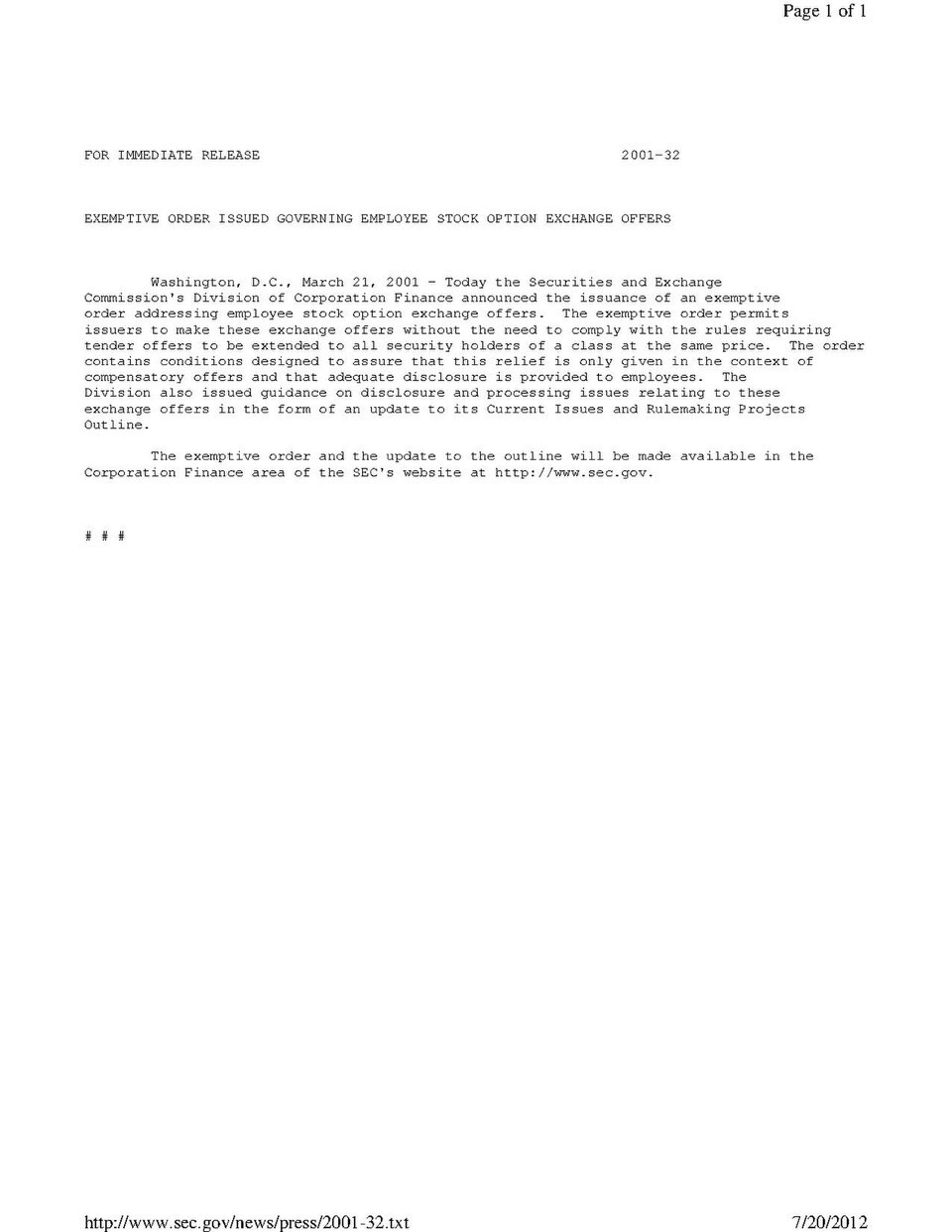
The Securities and Exchange Commission proposed amendments to Rule 17a-7 on October 9 to expand the securities eligible for cross-trading by registered funds, specifically restoring the ability to trade most fixed-income securities with affiliates. The proposal modernizes pricing and oversight conditions and mandates aggregated reporting, aiming to reduce fund trading costs for shareholders.
Key Takeaways
- SEC proposes Rule 17a-7 amendments to restore fixed-income cross-trading for registered funds, reversing a de facto ban since the 2020 valuation rule.
- Proposal cites improved fixed-income price transparency (electronic trading, TRACE) as justification for modernized pricing conditions.
- New aggregated reporting mandate aims to enhance regulatory oversight of cross-trade volumes, counterparties, and pricing fairness.
- 60-day comment period begins upon Federal Register publication; final rule timeline uncertain.
- Chairman Atkins frames proposal as cost-saving modernization benefiting fund shareholders through reduced trading expenses.
Executive Intelligence Brief
Regulatory Grounds and Rule Mechanics
The proposal targets Rule 17a-7 under the Investment Company Act of 1940, which has permitted transactions in securities between a registered fund and its affiliates since its initial adoption in 1966. The rule allows funds to avoid open-market trading costs—such as bid-ask spreads and commissions—by executing trades internally at 'current market price,' passing savings to investors. However, the 2020 adoption of the fund valuation rule (Rule 2a-5) effectively restricted cross-trading for most fixed-income securities because those instruments often lacked the readily available market quotations required for fair value determinations under the new framework.
Chairman Paul S. Atkins stated the amendments represent a step toward modernizing regulatory frameworks to meet current market realities. The proposal acknowledges that market developments have led to more verifiable and transparent pricing for fixed-income instruments, justifying their re-inclusion. The amendments would modernize the rule's conditions related to pricing methodology and oversight of cross trades, alongside a new requirement for aggregated reporting of trading activity and cross trades by funds engaging in the practice.
Background: The 2020 Valuation Rule Disruption
When the Commission adopted Rule 2a-5 in 2020, it established a mandatory framework for fund boards to designate valuation designees and assess fair value in good faith. At the time, the SEC recognized that the interaction between the new valuation standards and Rule 17a-7's pricing conditions—specifically the requirement for 'current market price' supported by independent bids—created a de facto ban on fixed-income cross trades. The Commission noted then that potential revisions to the cross-trading rule were under consideration. Today's proposal delivers on that deferred action, nearly six years later.
Impact Analysis: Cost Savings vs. Conflict Mitigation
The primary beneficiaries are registered investment companies—mutual funds and ETFs—with significant fixed-income allocations. By enabling cross-trades in corporate bonds, agency MBS, and other credit instruments, funds can internalize flow matching (e.g., matching a redemption seller with a purchasing fund in the same complex), reducing external transaction costs. The SEC asserts these savings accrue to shareholders.
However, cross-trading inherently involves conflicts of interest between affiliated funds. The proposal addresses this through 'enhanced investor protection measures,' including modernized pricing conditions reflecting current market structure (e.g., electronic trading protocols, TRACE data availability) and mandatory aggregated reporting. This reporting requirement will provide the SEC and the public with granular data on cross-trade volume, counterparties, and pricing outcomes, facilitating surveillance for adverse selection or cherry-picking.
Forward Outlook: Comment Period and Implementation
The proposal will be published on SEC.gov and in the Federal Register. The comment period remains open for 60 days following Federal Register publication. Industry participants—including fund complexes, fixed-income trading venues, and custody banks—will likely focus comments on the operational definition of 'verifiable pricing' for less liquid bonds, the scope of aggregated reporting data fields, and the transition timeline for compliance systems. Final rule adoption timing is uncertain but typically follows a 6-12 month review cycle after the comment period closes.