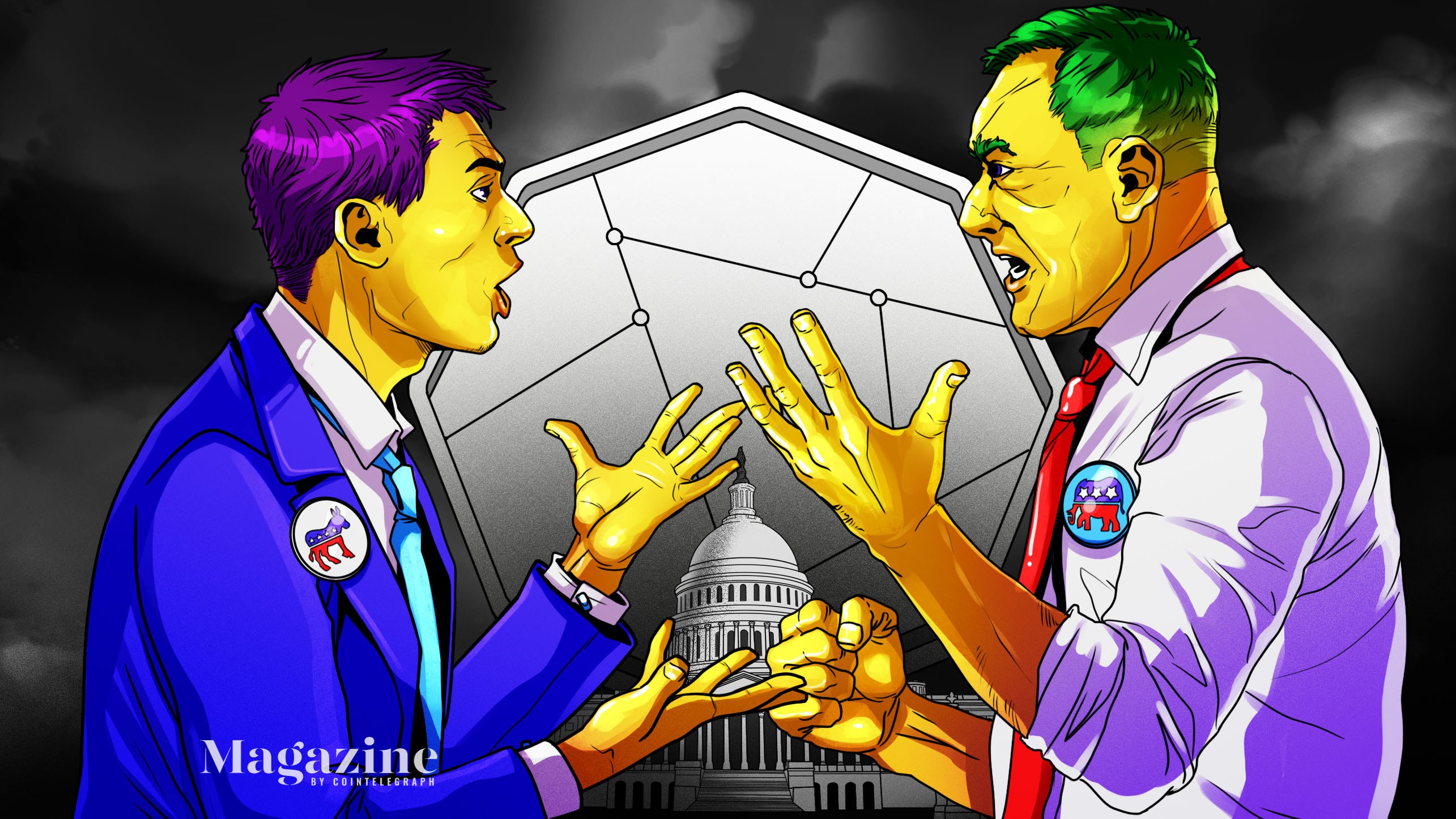
Global technology equities suffered a historic single-session rout, wiping approximately $1 trillion off the combined market value of Apple, Tesla, and Nvidia, as investors priced in the prospect of a Democratic-controlled Congress launching aggressive antitrust and infrastructure restrictions on the artificial intelligence sector.
Key Takeaways
- Democratic midterm victory triggered ~$1 trillion single-session market cap loss across Apple, Tesla, Nvidia.
- Market prices in heightened antitrust enforcement, datacenter permitting restrictions, and AI oversight under unified Democratic Congress.
- Nvidia's datacenter TAM, Apple's App Store model, and Tesla's FSD autonomy face highest regulatory beta.
- Key monitor: 119th Congress committee assignments (Jan 2027) and Q4 earnings calls for CapEx guidance shifts.
- Selloff reflects political risk repricing, not fundamental earnings deterioration; recovery contingent on legislative pacing.
Executive Intelligence Brief
Electoral Trigger and Immediate Market Transmission
The Democratic sweep in the November 2026 midterm elections handed the party unified control of the legislative branch, fundamentally altering the regulatory calculus for the Magnificent Seven cohort. Market participants moved instantly to discount a policy environment hostile to the scale advantages enjoyed by hyperscalers and chipmakers. The $1 trillion evaporation of market capitalization — concentrated in Nvidia's AI accelerator dominance, Apple's ecosystem moat, and Tesla's AI-driven autonomy bets — signals a reassessment of terminal growth rates rather than a cyclical earnings miss.
Trading desks reported elevated volumes in put options on the Nasdaq-100 and semiconductor ETFs ahead of the session, suggesting positioned hedging ahead of the electoral outcome. The velocity of the decline implies algorithmic de-risking models triggered by keyword surveillance of election results, amplifying human discretionary selling.
Regulatory Threat Matrix: Antitrust, Datacenters, and Energy
The market's fear centers on three specific legislative vectors. First, a reinvigorated Senate Judiciary Committee is expected to advance the American Innovation and Choice Online Act, threatening self-preferencing practices core to Apple's App Store and Amazon's marketplace. Second, the House Energy and Commerce Committee may impose federal review standards for datacenter permitting, citing grid reliability and water consumption — directly constraining the build-out pace for Nvidia's H100/Blackwell clusters. Third, the FTC and DOJ Antitrust Division are likely to receive expanded budgets and mandates to pursue structural separation remedies.
These threats compound existing headwinds: the EU's AI Act enforcement timeline, DOJ's existing Google search monopoly verdict, and rising sovereign compute nationalism. The midterm result removes the legislative gridlock that previously acted as a backstop against aggressive federal action.
Sector Exposure and Valuation Repricing
Nvidia sits at the epicenter, with its forward P/E expanding on the assumption of unconstrained datacenter CapEx from Microsoft, Meta, Google, and Amazon. Any federal brake on permitting or power allocation compresses the TAM (Total Addressable Market) for Blackwell architecture. Apple faces dual risk: App Store revenue sharing mandates and potential restrictions on on-device AI integration deemed anti-competitive. Tesla's FSD (Full Self-Driving) valuation premium relies on regulatory forbearance for data collection and deployment; a Democratic Congress may mandate federal pre-market approval for autonomous systems.
Second-order effects pressure the semiconductor supply chain — ASML, TSMC, and memory vendors — where CapEx cycles are planned 3-5 years out. Uncertainty on US demand elasticity forces foundry utilization reassessments.
Forward Outlook: Legislative Calendar and Earnings Season
The immediate focus shifts to the January 2027 convening of the 119th Congress. Committee gavel assignments in the first 100 days will signal legislative priority. Investors should monitor the State of the Union for executive branch signaling on AI policy, and the Q4 2026 earnings season (January-February 2027) for management tone on regulatory reserves and CapEx flexibility. The CBO scoring of any proposed 'AI Accountability Act' will provide the first quantitative fiscal constraint estimate.
Absent concrete legislative text, the current selloff reflects a probability-weighted scenario analysis. The risk remains that a 'Blue Congress' prioritizes healthcare and climate legislation over tech regulation in its initial months, offering a window for technical recovery if earnings momentum holds.