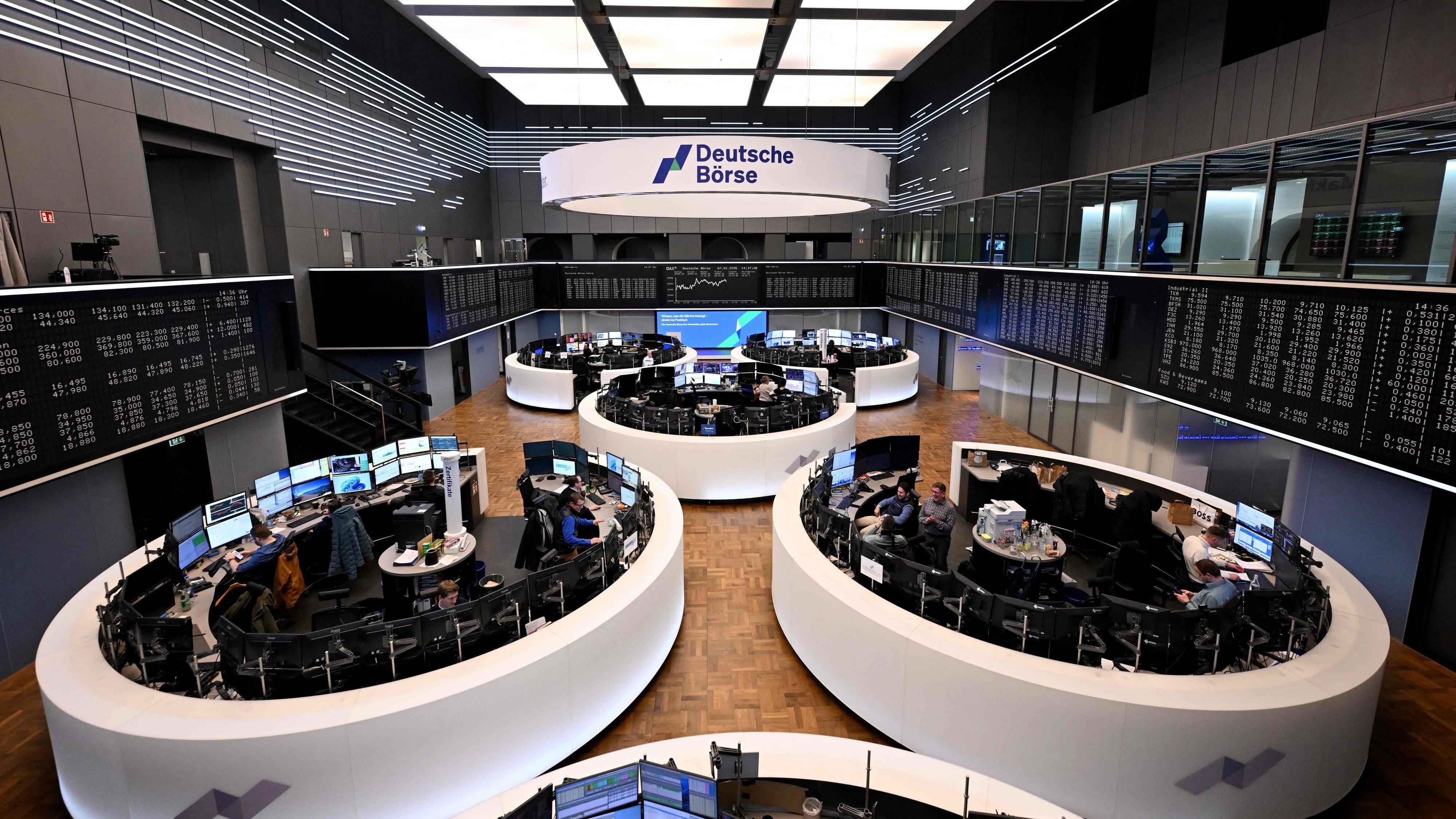
US technology stocks staged a sharp recovery Tuesday, with the Nasdaq Composite surging 0.83% and the S&P 500 adding 0.37%, halting a selloff that had pushed the tech-heavy index into correction territory. Chipmakers led the advance as investors digested midterm election results expected to yield a Democratic House majority, raising the prospect of heightened AI regulation.
Key Takeaways
- Nasdaq rebounds 0.83% after entering correction territory (down 10% from Oct 6 record)
- Chipmakers lead: Nvidia +2.3%, AMD, Broadcom, Micron advance; Apple -1.9% on memory cost margin warning
- Midterm elections expected to yield Democratic House majority, raising AI regulatory prospects
- Brent crude drops to $103/barrel from $117, easing inflation pressures
- Historical pattern: post-midterm relief rallies typical since 1980 per CNBC analysis
Executive Intelligence Brief
Market Action and Index Levels
The Nasdaq's 0.83% gain marked a decisive reversal from Monday's close, when the index sat 10% below its October 6 record high — formally placing it in correction territory for the first time since March 2025. The S&P 500 rose 0.37% to extend its year-to-date advance to 10%, while the Dow Jones Industrial Average slipped 0.38%, dragged lower by a 1.9% decline in Apple shares. The blue-chip index remains up 7% for the year.
October proved the worst month for the Nasdaq since March 2025, reflecting a broad reassessment of AI capital expenditure trajectories across hyperscalers and enterprise buyers. Tuesday's bounce aligned with historical patterns: CNBC analysis of post-midterm performance from 1980 to 2024 shows equities tend to rally once electoral uncertainty resolves.
Chipmakers Lead Rebound Amid AI Demand Scrutiny
Semiconductor shares spearheaded the recovery. Nvidia climbed 2.3% after four consecutive sessions of declines, while Advanced Micro Devices, Broadcom, and Micron Technology also posted notable gains. The group's resilience suggests investors are distinguishing between near-term spending digestion and structural AI infrastructure demand. Memory chip maker Micron's advance is particularly notable given Apple's citation of higher memory costs as a margin headwind.
Apple Margin Warning Highlights Supply-Chain Transmission
Apple's 1.9% drop stood out as the sole mega-cap decliner among major tech names. The company issued a worse-than-expected margin forecast attributed to elevated memory chip pricing — a direct transmission of semiconductor supply-chain costs to hardware profitability. The warning underscores that AI-driven demand for high-bandwidth memory and DRAM is tightening supply for consumer electronics, compressing margins even for pricing-power leaders.
Political Backdrop: Regulation Looms as Oil Eases
Investors entered Tuesday anticipating Democrats would secure at least a House majority, with potential Senate gains. A 'Blue Congress' scenario raises the probability of legislative and regulatory action targeting AI model transparency, data-center energy consumption, and antitrust scrutiny of dominant cloud and chip platforms. Meanwhile, Brent crude fell to $103 a barrel from $117 at end-October, easing input-cost pressures amid talk of renewed negotiations with Iran and Russia.
Forward Outlook: Earnings, Regulation, and Memory Cycles
The next critical catalysts are Nvidia's forthcoming earnings report — a bellwether for AI capex sustainability — and the composition of House and Senate technology committees, which will shape the regulatory agenda. Memory chip pricing trends bear close monitoring: any sustained elevation will propagate through PC, smartphone, and server supply chains, affecting a broader swath of tech earnings than AI accelerators alone.