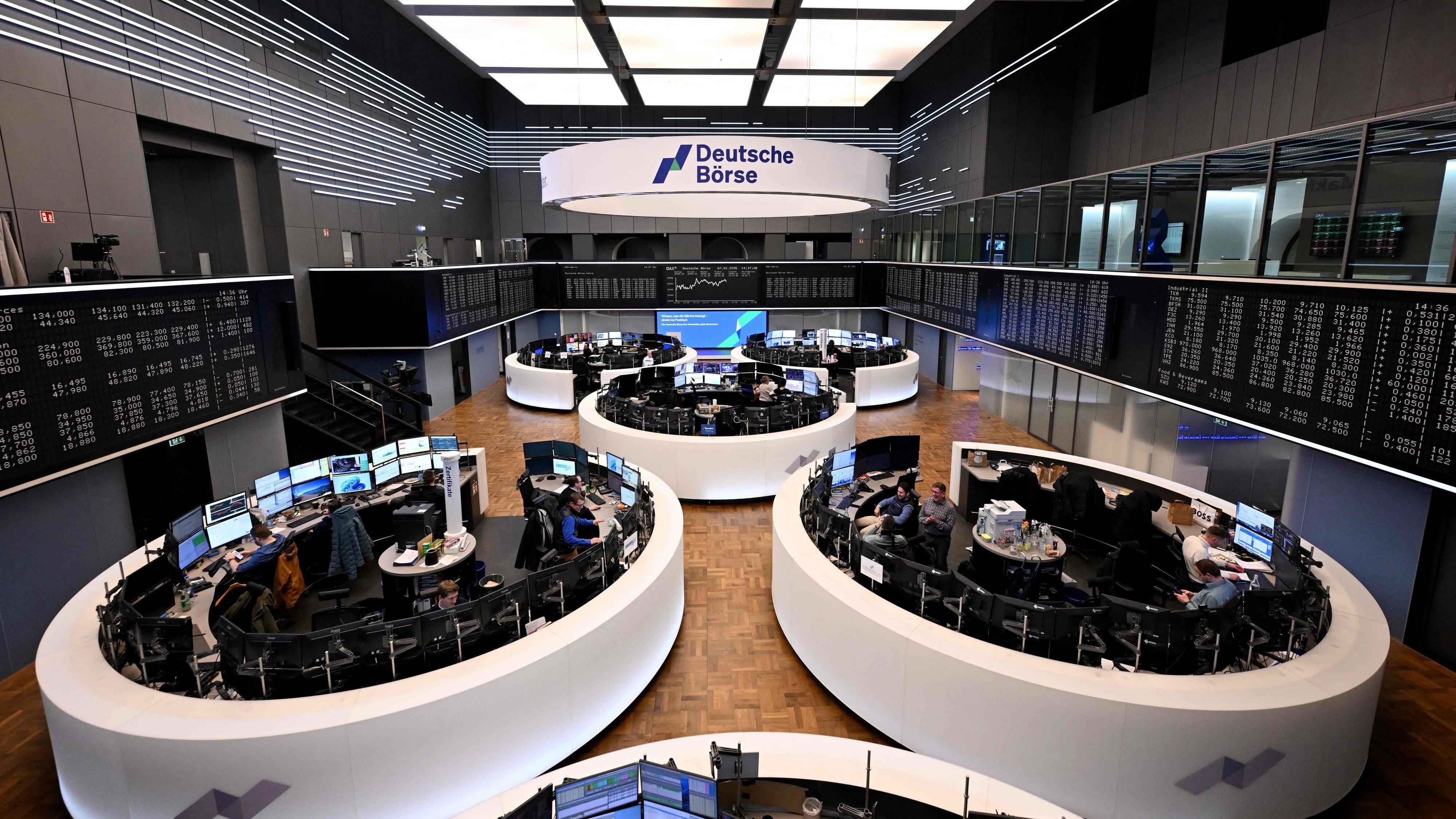
Global equity markets plunged Thursday after US midterm elections delivered Democratic gains, triggering a $3.2 trillion wipeout in US stocks as investors priced in regulatory headwinds for AI infrastructure and data centre investment. The Nasdaq slumped 5.5% while Japan's Nikkei posted its worst drop since April 2025.
Key Takeaways
- $3.2tn erased from US equities as Democratic midterm gains trigger AI regulatory fears
- Nasdaq -5.5%, Nikkei -6% (worst since April 2025), KOSPI -6.7%, TAIEX -4.5%
- Memory chip sector decimated: SanDisk -22%, Micron -17%, AMD -17%, Nvidia -9%
- CMC Markets reports widespread margin calls and forced liquidations across Asian session
- Earnings disappointment from Magnificent Seven preceded political catalyst; US jobs report at 1:30pm GMT next key monitorable
Executive Intelligence Brief
Midterm Outcome Triggers Structural Repricing of AI Trade
The Democratic Party's stronger-than-expected performance in Tuesday's midterm elections has catalysed a violent unwind of the AI investment theme that has dominated equity markets for six years. Analysts pointed to policy uncertainty as Democrats are more critical of data centres, which could slow the rollout of AI investment – especially given public opposition to the sector's energy and water consumption.
Christopher Forbes, head of Asia and Middle East at CMC Markets, described the market action as "a bit of a disaster" and told Reuters: "And it's not just a slap in terms of valuation. It's basically a whole policy and six-year structural shift that says we're now going to pause, we're now going to cool AI, we're now going to cool data centres, approvals and equity capital markets." Clients faced margin calls and forced liquidations throughout the Asian session, with Forbes noting positions were "carried out" across the board.
Memory Chip Makers Lead the Carnage
The selloff was ruthlessly concentrated in the semiconductor supply chain that has powered the AI boom. SanDisk plummeted 22%, while both Micron and AMD lost 17% of their value. Nvidia, the bellwether for AI infrastructure demand, led decliners on the Dow Jones Industrial Average with a 9% drop. The Nasdaq's 5.5% decline pushed the tech benchmark deeper into correction territory, while the S&P 500 lost 4.36% and the Dow shed 1,833 points (3.44%).
Kyle Rodda, senior financial market analyst at Capital.com, characterised it as a "brutal sell-off" as fears about the future of the AI buildout gripped markets. The tumble resumed in Asia after Wednesday's Wall Street rout, with Japan's Nikkei slumping almost 6% – its worst session since the 'liberation day' tariff panic of April 7, 2025. South Korea's KOSPI fell 6.7% and Taiwan's TAIEX dropped 4.5%.
Earnings Disappointment Preceded Political Catalyst
The regulatory and political risks arrive at a time when the AI trade was already on shakier foundations. Earnings season has been an overall disappointment, with Magnificent Seven results so far undershooting growth expectations and flashing warning signs that the pace of AI spending is slowing down. BlueBay Asset Management suggested the AI slowdown might actually help hyperscalers by reducing capital intensity, while Jefferies argued Democrats are unlikely to abandon the AI growth engine entirely.
Elon Musk's personal wealth has fallen by $113 billion since the midterms, underscoring the concentration of the selloff in mega-cap technology names. The FTSE 100 declined 1.5% in early London trading, on track for its worst session since March.
Forward Outlook: Jobs Data and Legislative Agenda in Focus
Investors now face a dual catalyst calendar. The US non-farm payrolls report at 1:30pm GMT will provide the latest read on labour market health, with implications for Federal Reserve policy. Simultaneously, market participants will scrutinise the incoming Democratic congressional majority's legislative priorities for concrete signals on data centre permitting, energy regulation, and antitrust enforcement against AI incumbents.
The VIX fear index initially spiked but had retreated by mid-morning, suggesting some stabilisation. However, with hedge funds reporting wiped-out gains and layoffs according to Reuters, the deleveraging cycle may have further to run. Most major indices remain positive year-to-date, offering a buffer against deeper panic.