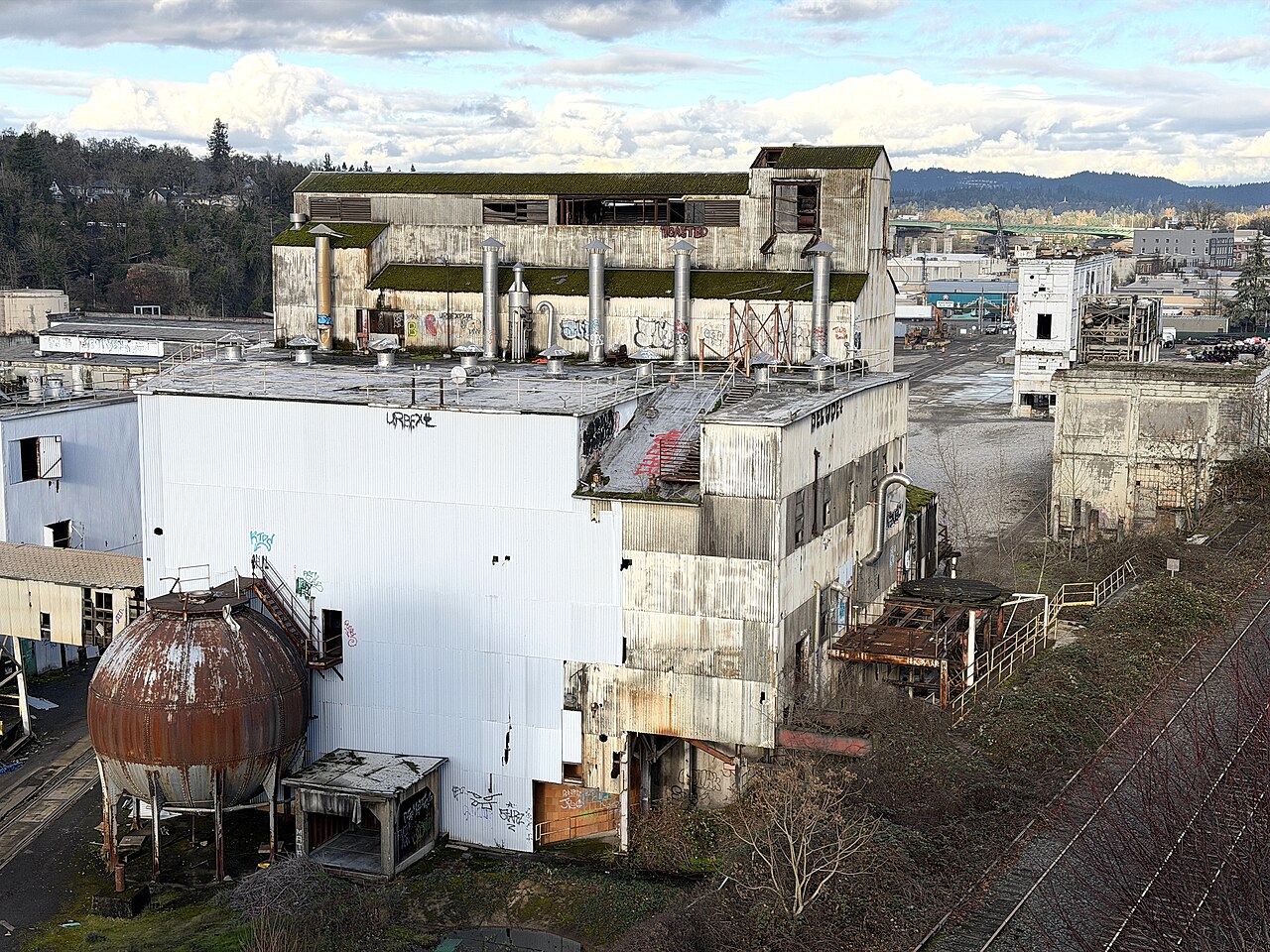
A century-old paper mill in Témiscaming, Quebec has ceased operations indefinitely after Washington levied 50% tariffs on its output, idling hundreds of workers. The closure marks a tangible escalation in trade friction, illustrating how targeted U.S. duties are rapidly transmitting into permanent industrial capacity destruction across the Canadian forest products sector.
The shutdown underscores the fragility of Canada's export-oriented manufacturing base amid intensifying North American protectionism. With the U.S. absorbing roughly 70% of Canadian pulp and paper exports, the 50% tariff barrier effectively eliminates price competitiveness for marginal producers. This dynamic mirrors the 2018-2019 lumber disputes where duties triggered mill curtailments across British Columbia and Quebec, but the current speed — from tariff imposition to indefinite closure — suggests diminished corporate tolerance for policy uncertainty. The Témiscaming facility's century-long operational history highlights how even established, integrated assets face stranded-asset risk when trade architecture shifts abruptly.
Market Impact & Transmission Channels
The closure transmits through three primary channels. First, Canadian dollar sensitivity: forest products represent a meaningful current-account credit; sustained capacity loss widens the trade deficit, pressuring CAD against USD. Second, equity repricing: producers like Resolute Forest Products and Domtar face downward earnings revisions as markets price higher probability of further rationalization. Third, commodity spillovers: reduced pulp supply tightens global hardwood and softwood markets, supporting northern bleached softwood kraft (NBSK) benchmarks even as demand softens. Credit markets are repricing Canadian industrial issuers, with spread widening on high-yield pulp and paper names reflecting heightened event risk.
This is not merely a single-plant story; it is a leading indicator of how 50% tariff walls instantly vaporize the economics of integrated North American supply chains built on tariff-free assumptions.
Sector winners are limited: U.S. domestic coated and uncoated freesheet producers gain pricing power, while European pulp exporters may capture displaced Canadian volumes. However, the broader signal — that political risk now overrides operational efficiency in capital allocation — raises the cost of capital for all Canadian resource-intensive industries, from aluminum to critical minerals.
Key Takeaways for Investors
- Monitor: U.S. International Trade Commission injury determinations on additional Canadian paper grades for escalation signals.
- Expect: Accelerated consolidation in Canadian forest products as mid-sized producers seek scale or exit via M&A.
- Assess: Portfolio exposure to CAD-denominated industrial credit; duration risk rises as trade policy volatility compresses valuation multiples.
- Evaluate: Long USD/CAD or short Canadian industrial equity beta as hedge against further tariff-driven capacity destruction.
Frequently Asked Questions
Why did a 50% U.S. tariff force an immediate indefinite closure of a century-old mill?
The 50% duty erased the mill's thin operating margin on U.S.-bound shipments, which constitute the majority of its revenue. With no viable alternative markets at scale and high fixed costs from aging infrastructure, management determined that indefinite idling preserved more shareholder value than cash-burning operations.
Does this closure indicate broader risk for Canadian manufacturing under current trade policy?
Yes. The speed of closure — bypassing typical curtailment phases — signals that corporate boards now treat tariff exposure as binary existential risk rather than cyclical headwind. Sectors with high U.S. export concentration and low product differentiation face similar stranded-asset probability.