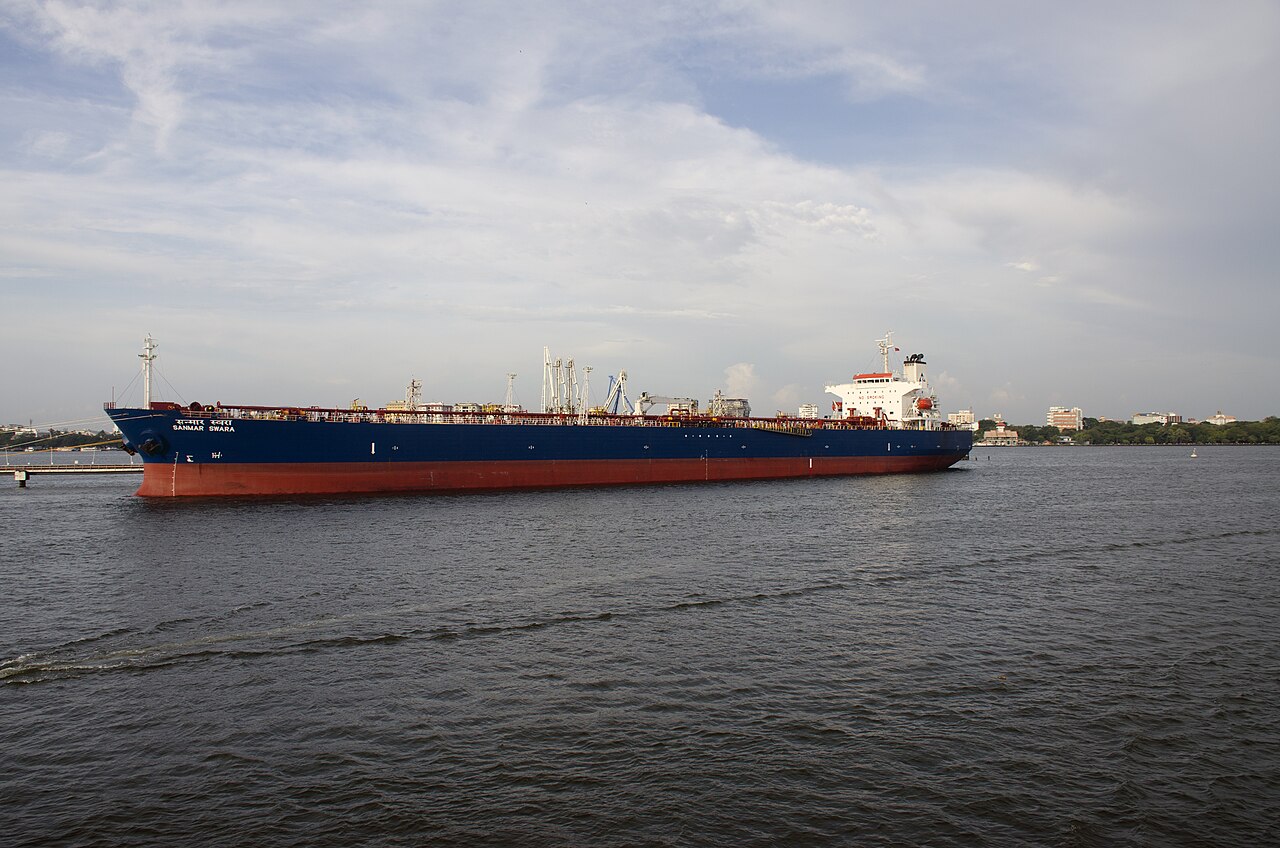
Le Monde reported October 31 that Middle East hostilities have triggered a severe oil tanker shortage, extending voyage durations and propelling freight rates to record highs as logistics networks restructure and traders capitalize on disrupted supply chains.
The escalation mirrors historical supply shocks where geopolitical risk premiums detach physical freight markets from fundamentals. During the 2019 Strait of Hormuz tensions, VLCC rates spiked 300% in weeks; today's rerouting around the Cape of Good Hope adds 10-14 sailing days per round trip, effectively removing 15-20% of global tanker capacity from active service. This structural tightening coincides with OPEC+ production discipline and European embargoes on Russian barrels, which already stretched ton-mile demand. Higher war-risk insurance premiums — now exceeding 1% of hull value per transit — compound the cost push, while charterers scramble for term coverage to avoid spot market volatility.
Market Impact & Transmission Channels
The freight surge transmits through three primary channels. First, delivered crude costs rise disproportionately for Asian refiners reliant on Middle East grades, widening the Brent-Dubai spread and incentivizing Atlantic Basin arbitrage flows. Second, product tanker markets tighten sympathetically as clean vessels switch to dirty trades, lifting gasoline and diesel cracks ahead of winter demand. Third, the embedded logistics inflation feeds CPI baskets via higher petrochemical and plastics input costs, complicating central bank easing cycles. Tanker equities — Frontline, Euronav, Hafnia — have outperformed broad energy indices by 20 percentage points year-to-date, reflecting investor anticipation of sustained super-cycle earnings.
"This is not a transient spike but a structural repricing of maritime risk," said a senior energy logistics analyst at a major trading house. "The Cape detour has become the new baseline route, and fleet growth cannot offset the ton-mile destruction until 2027 at earliest."
Downstream, independent refiners in India and China face margin compression as freight erodes the discount advantage of sanctioned Russian barrels. Meanwhile, U.S. Gulf Coast exporters gain relative competitiveness on shorter transatlantic hauls, potentially accelerating the shift in global crude flow patterns. The risk of further escalation — particularly insurance withdrawal from key load ports — remains the dominant tail risk for physical markets.
Key Takeaways for Investors
- Monitor: VLCC spot rates (TD3C route) sustaining above $100,000/day and war-risk premium adjustments by the International Group of P&I Clubs.
- Expect: Continued term chartering activity at elevated time-charter equivalents, locking in fleet utilization through 2026 and reducing spot market liquidity.
- Assess: Refinery exposure to long-haul Middle East crudes versus Atlantic Basin flexibility; product crack spreads for freight-sensitive distillates.
- Evaluate: Tanker equity valuations against normalized earnings capacity; consider long-dated freight derivatives (FFAs) to hedge logistics cost inflation in industrial portfolios.
Frequently Asked Questions
How does the Middle East conflict specifically increase oil shipping costs?
Hostilities reduce vessel availability as owners avoid high-risk zones, forcing rerouting around Africa's Cape of Good Hope. This adds 10-14 days per voyage, effectively shrinking global tanker capacity by 15-20% while war-risk insurance premiums exceed 1% of hull value per transit.
Will higher freight rates translate to higher consumer fuel prices?
Yes, elevated tanker costs increase delivered crude and product prices, particularly for Asian importers. This feeds into refining margins and wholesale fuel cracks, ultimately passing through to retail gasoline and diesel prices with a 4-6 week lag, adding upside risk to energy-driven inflation components.