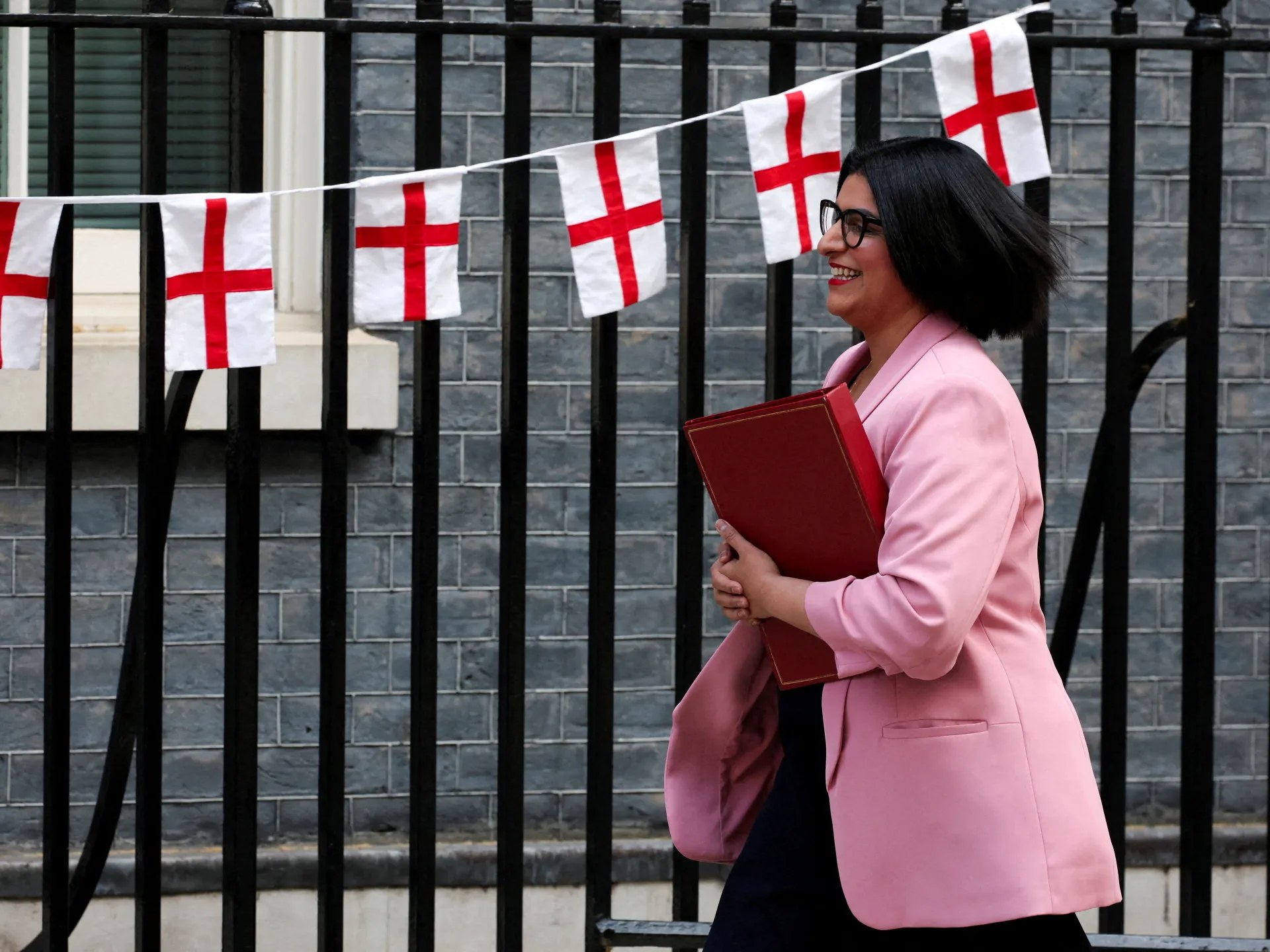
The United Kingdom will double the standard qualifying period for indefinite leave to remain from five to ten years under revised immigration rules announced by Home Secretary Shabana Mahmood on Monday, while introducing income-based accelerated pathways and a targeted five-year exemption for care workers earning at least £25,000 annually.
Key Takeaways
- Standard indefinite leave to remain period doubled from 5 to 10 years, effective 2027
- Income thresholds create three tiers: 3 years (£125k+), 5 years (£50k+), 10 years (below £50k)
- Care workers exempted: 5-year path at £25k+ minimum salary, addressing sector labour shortages
- Refugee settlement stratified: 5 years (legal routes), 20 years (standard), 30 years (irregular entry)
- Retroactive application affects ~1.4m migrants; government projects 'billions' in benefit savings
Executive Intelligence Brief
Income-Tiered Settlement Framework
The new rules, set to take effect next year, tie eligibility for permanent residency — known in the UK as indefinite leave to remain — directly to earnings. Workers earning more than £50,000 ($67,000) annually will retain the current five-year path, while those earning above £125,000 ($167,500) can apply after three years. Everyone else faces a ten-year wait. The median UK salary stands at approximately £39,000 ($52,000), placing a majority of foreign workers on the extended timeline.
Applicants will also be disqualified for criminal records, failure to meet a 'high standard' of English proficiency, outstanding government debts, or fewer than three years of National Insurance contributions. The changes apply retroactively to migrants already in the country, a provision likely to face legal scrutiny.
Care Sector Carve-Out Amid Labour Pressure
The care worker exemption represents a significant concession following fierce opposition from unions and Labour backbenchers. Care workers — many recruited in the early 2020s to fill gaps left by EU workers post-Brexit — will qualify for settlement after five years if they meet visa conditions and earn at least £25,000 ($33,500). Mahmood said the rules would offer a path for those 'who worked hard and answered our call when we needed them.' The sector has long struggled with vacancy rates and relies heavily on international recruitment.
Refugee Settlement: Three-Tier System
Refugee settlement timelines are now stratified by entry method. Those arriving through 'new safe and legal routes' face a five-year wait. Other refugees face a 20-year standard period. An additional ten years — totalling 30 — applies to those who entered by 'illegal' methods such as small boat crossings. The government claims Channel crossings have fallen more than 40% year-to-date through enhanced UK-France enforcement cooperation.
Fiscal Calculus and Political Context
Mahmood stated the overhaul would delay settlement for half a million people, saving 'billions of pounds in benefits.' The government projects 1.4 million people will receive settled status between 2026 and 2030. The policy follows a 12-week consultation drawing over 200,000 responses and responds to political pressure from Nigel Farage's Reform UK, which has gained ground portraying small boat arrivals as a crisis. Prime Minister Andy Burnham's government frames the changes as restoring fairness by linking settlement rights to economic contribution.