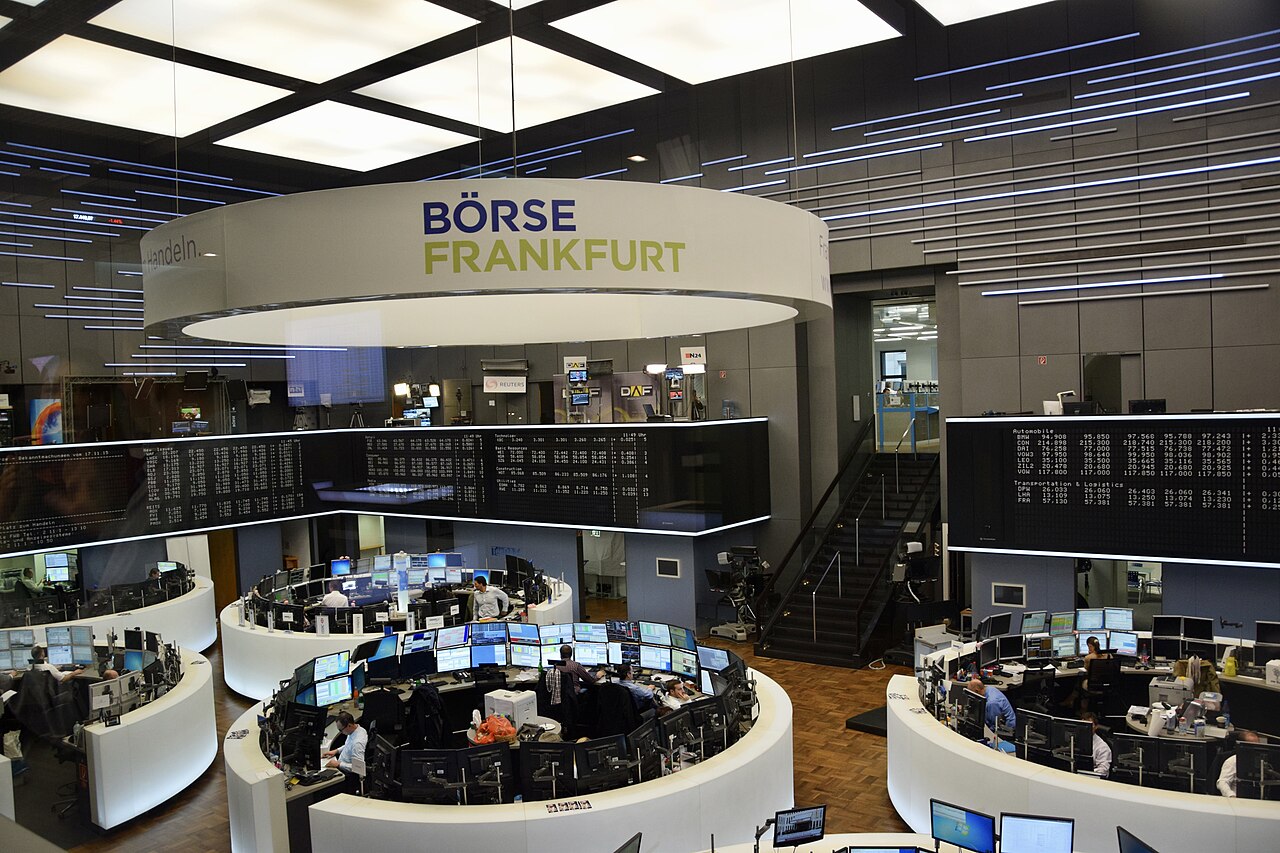
Upstart stock exchanges are mounting a coordinated challenge to the NYSE and Nasdaq stranglehold on ETF listings, leveraging lower fees and faster technology to attract issuers. The competitive pressure threatens to compress listing revenue at the incumbent venues while giving fund sponsors new leverage in fee negotiations.
Disrupter Exchanges Market Impact: ETF Listing Fee Compression
The NYSE and Nasdaq have long extracted premium listing fees from ETF issuers, benefiting from a de facto duopoly that handles the vast majority of U.S. exchange-traded fund volume. New entrants — including Members Exchange (MEMX), Long-Term Stock Exchange (LTSE), and Cboe's recently launched venues — are undercutting that model by offering listing fees up to 50% lower and matching engines optimized for ETF creation/redemption workflows.
This fee compression dynamic mirrors what occurred in equity trading when alternative trading systems fragmented market share. For ETF sponsors managing thousands of funds, even modest per-fund savings compound into material cost reductions that can be passed to end investors through lower expense ratios. The incumbents' response — likely defensive fee cuts or bundled service packages — will determine whether the duopoly erodes gradually or fractures rapidly.
"The ETF listing business has been a high-margin annuity for NYSE and Nasdaq because switching costs were artificially high. Disrupter exchanges are removing those barriers with technology that matches or exceeds incumbent reliability. Once the first major issuer migrates a flagship fund, the psychological barrier breaks and the fee compression accelerates." — Senior Market Structure Analyst
Beyond fees, the challengers are differentiating on data transparency and corporate governance standards. LTSE's "long-term focused" listing standards appeal to ESG-oriented sponsors, while MEMX's member-owned structure aligns incentives with high-frequency market makers who dominate ETF liquidity provision. These structural differences could segment the market by fund strategy rather than pure price competition.
Key Takeaways for ETF Issuers
- Monitor listing fee proposals from MEMX, LTSE, and Cboe venues against current NYSE/Nasdaq contracts to quantify potential savings across fund families.
- Evaluate matching engine latency and ETF-specific functionality (creation/redemption automation, NAV dissemination) before migrating flagship products.
- Watch for incumbent defensive bundling — data packages, IR services, or marketing support — that may offset headline fee reductions.
- Assess governance alignment: member-owned vs. for-profit exchange models create different long-term incentive structures for liquidity provision.
Frequently Asked Questions
Why Are New Exchanges Challenging NYSE and Nasdaq for ETF Listings?
Disrupter exchanges target the ETF listing duopoly because it represents high-margin, recurring revenue with artificially inflated switching costs. By offering lower fees, superior technology, and differentiated governance models, they aim to capture market share from incumbents who have not faced meaningful competition in decades.
How Could Exchange Competition Lower ETF Expense Ratios?
Listing fees are a direct component of ETF operating costs. When sponsors pay less to list funds, those savings flow through to lower expense ratios for investors. A 50% reduction in per-fund listing fees across a large fund family can translate to basis-point expense ratio reductions, particularly for low-cost index products where margins are thin.