A parliamentary inquiry has found the UK 'dangerously' dependent on China for critical minerals vital to defence, artificial intelligence, and net zero, urging ministers to create a dedicated finance facility and centralised strategy to secure supply chains.
Key Takeaways
- UK parliamentary committee declares 'dangerous' reliance on China for critical minerals essential to defence, AI, and net zero.
- China dominates refining of 7 mineral categories; lithium demand to rise 45x, rare earths 16x by 2030.
- Government cites £400m funding and 2035 targets: 10% domestic production, 20% recycling, 60% single-country cap.
- Committee demands 'critical minerals finance facility' and centralised strategy; criticises lack of parliamentary visibility.
- UK supply security currently tethered to US-China rare earth reprieve expiring January 2027.
Executive Intelligence Brief
Committee Findings: Strategic Exposure at the Processing Stage
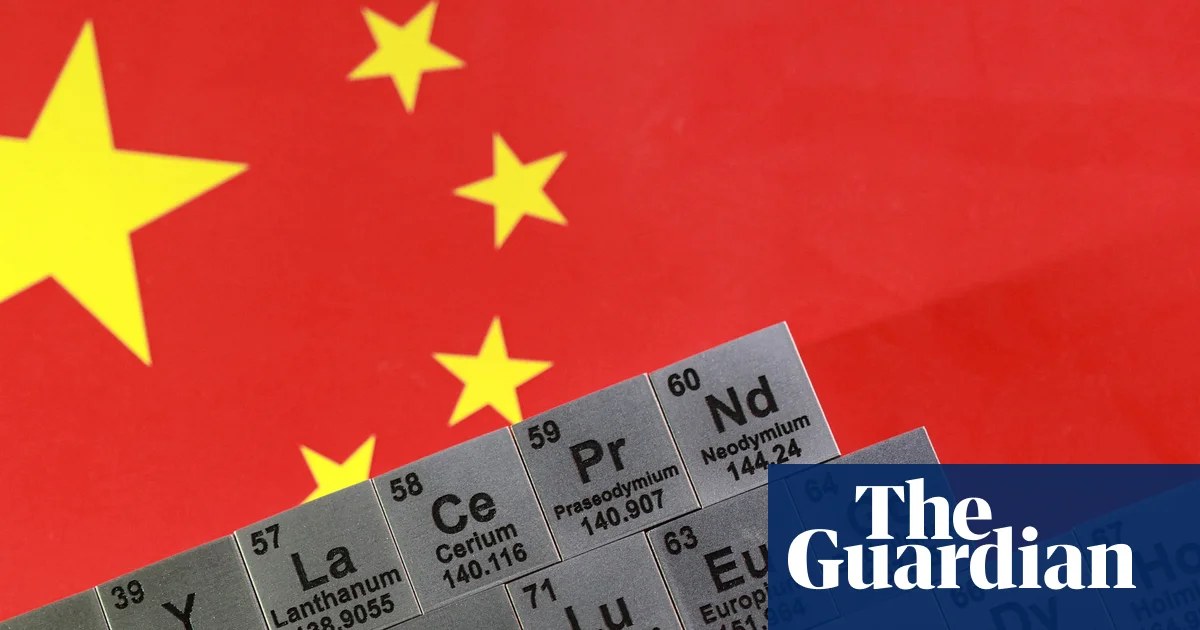
The House of Commons Business and Trade Committee, chaired by Liam Byrne, concluded that 16 years after China first 'weaponised its chokehold over rare earths,' Britain remains acutely vulnerable. The committee identified the processing stage as the critical bottleneck, with China dominating the refining of seven mineral categories, including lithium for electric vehicles and rare earths used in military aircraft fuselages to withstand temperature extremes.
Demand projections underscore the urgency: lithium requirements are forecast to surge 45-fold by 2030, while rare earths for permanent magnets in military jets and other applications face a 16-fold increase. The committee heard that China's 2025 restriction on rare earth exports demonstrated Beijing's willingness to leverage supply as a geopolitical tool.
Government Response and 2035 Targets
A government spokesperson rejected the premise of strategic neglect, citing £400m committed to 'ramp up domestic production and recycling' and forge new international partnerships. The government confirmed its strategy sets explicit 2035 goals: meeting 10% of demand through domestic production, 20% through recycling, and capping reliance on any single country at 60% for any critical mineral.
However, the committee said its investigation was frustrated by a lack of transparency. 'Parliament has no visibility of the capabilities the government is seeking to protect, the vulnerabilities it has identified, or the projects it is backing to reduce risk,' the report stated, concluding it could not be confident the government would satisfy any of its 10 tests for supply resilience.
Geopolitical Context: The US-China Reprieve
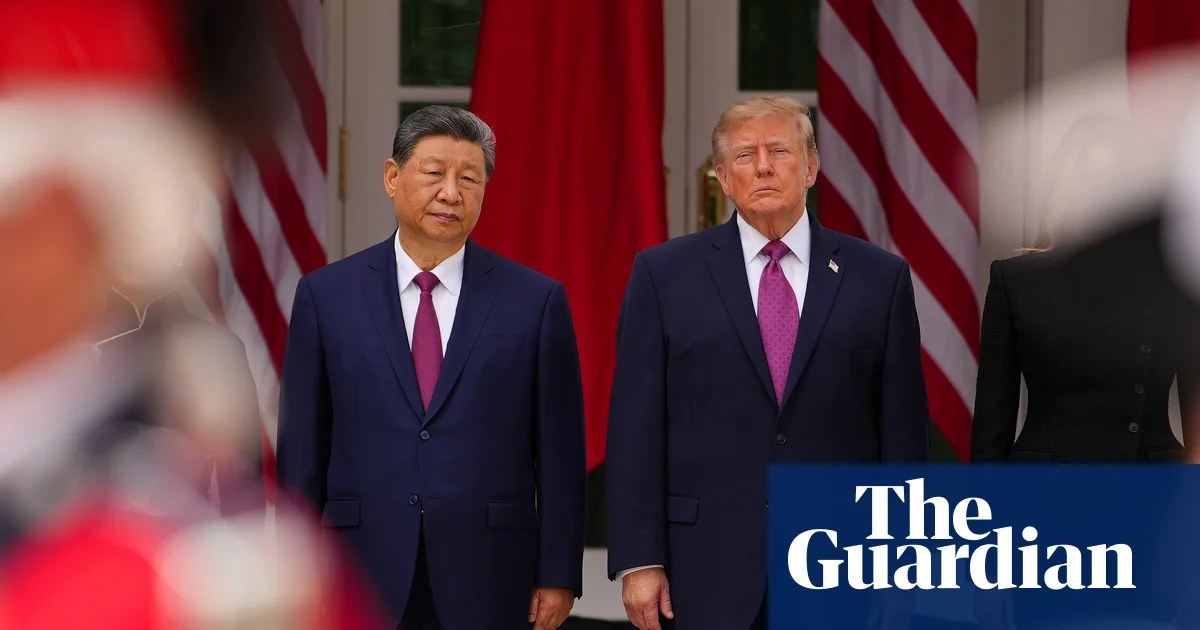
The UK's position is further complicated by great-power dynamics. Donald Trump secured a one-year reprieve on global rare earth export restrictions from Xi Jinping in October 2024, extended to January 2027 after the Chinese president's visit to Washington. The committee warned this leaves the UK 'at the mercy of US-China relations' rather than possessing sovereign supply security.
Parallel vulnerabilities emerged in October 2024 when separate restrictions on legacy chips following a Dutch intervention in China-owned Nexperia left the European car industry 'days away' from stoppages, illustrating the fragility of adjacent semiconductor supply chains.
Proposed Remedies: Finance Facility and Allied Coordination
The committee's 10-point plan centres on creating a 'critical minerals finance facility' to deploy grants, equity, and debt to accelerate mine development and diversification. It advocates working with G7, European, and Indo-Pacific partners to 'aggregate demand' and bring new suppliers online, alongside domestic measures to identify mining, refining, and recycling opportunities and reform planning barriers.
'The UK requires new institutional and financial muscle,' the report concluded, arguing that current efforts lack the scale and coordination necessary to match the strategic challenge.