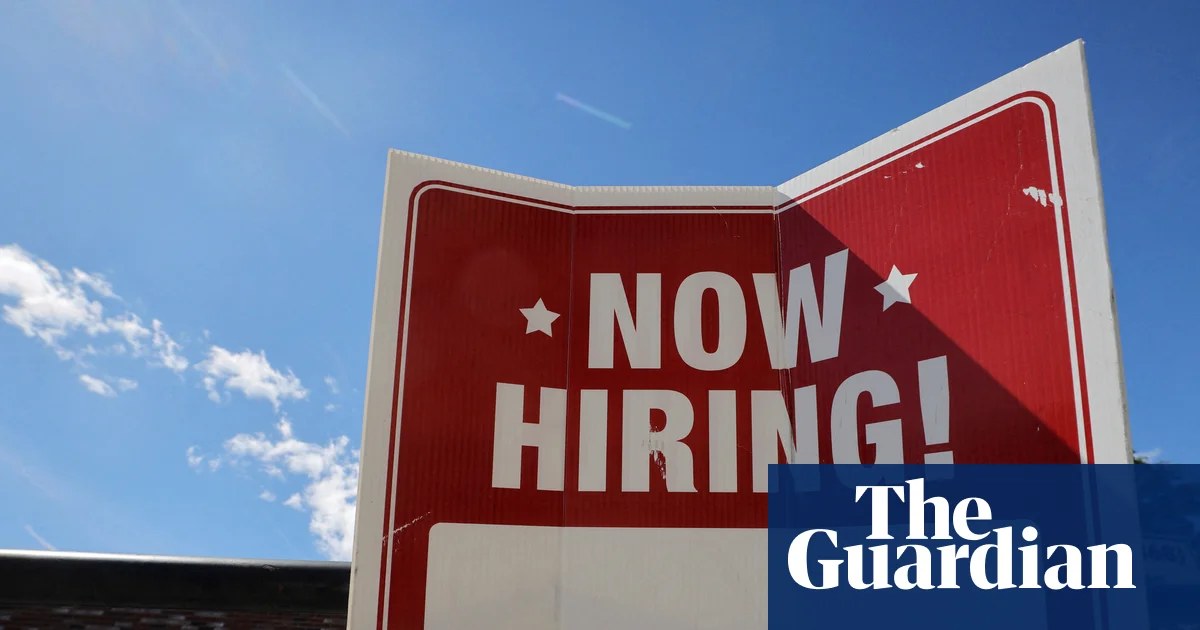
The US economy added 165,000 jobs in October, surpassing economist forecasts and pushing the unemployment rate down to 4.1%, according to Bureau of Labor Statistics data released Friday. The resilient hiring occurs despite persistent inflation, negative real wage growth, and geopolitical turmoil, reinforcing market expectations for a Federal Reserve interest rate increase in December.
Key Takeaways
- US payrolls rose 165,000 in October; unemployment fell to 4.1%, beating expectations.
- Wage growth (3.1% YoY) still trails inflation (3.7%), extending real wage declines.
- Layoffs at 18-month lows; 'low-hire, low-fire' dynamic persists across sectors.
- Fed widely expected to hike rates in December; markets pricing higher terminal rate.
- Consumer frustration over energy costs drove midterm sentiment despite job gains.
Executive Intelligence Brief
October Payroll Details and Revisions
Job growth was broad-based across healthcare, transportation, warehousing, and manufacturing. The BLS also revised August and September payrolls upward by a combined 84,000 jobs, signaling underlying momentum was stronger than initially reported. Average hourly earnings increased 3.1% year-over-year, a modest acceleration from the prior month but still well below the 3.7% annualized inflation rate recorded in September, leaving real wages in negative territory.
The unemployment rate ticked down to 4.1% from 4.2%, reflecting household survey gains. Labor market tightness persists in a "low-hire, low-fire" configuration: Challenger, Gray & Christmas reported just under 44,000 layoffs in October, a 71% plunge from a year earlier, while September layoffs hit their lowest level in 18 months.
Inflation, Real Wages, and Consumer Pressure
Despite nominal wage gains, inflation over recent months has largely outpaced earnings growth, eroding purchasing power. Gas prices average $1 per gallon higher than a year ago due to the war in Iran, while diesel — critical for supply-chain logistics — runs 60% above pre-war levels. These cost pressures dominated the midterm elections, where voters signaled deep frustration with living costs even as Democrats retained congressional control.
"Americans delivered a clear verdict in the midterm elections that the current economy is squeezing people financially and making it hard to get by, let alone get ahead," said Heather Long, chief economist at Navy Federal Credit Union. "The labor market is a good example of why people are frustrated."
Federal Reserve Policy Implications
The Fed hiked rates in September for the first time since 2023, lifting the federal funds range to 3.75%-4.00%, but held steady at its October meeting the week before the election. With the labor market showing continued resilience and core inflation sticky, economists widely expect one more rate hike at the December policy meeting. The central bank faces a delicate calibration: tightening further risks overtightening into a slowing economy, while pausing risks embedding above-target inflation.
Market Reaction and Risk Sentiment
Equity markets have been volatile, with the tech-heavy Nasdaq swinging in and out of correction territory — defined as a 10% decline from recent highs — as investors reassess AI capital expenditure trajectories. The jobs report's strength likely reduces the probability of a near-term pivot to rate cuts, keeping terminal rate expectations elevated and pressuring rate-sensitive sectors.
Forward Outlook: Data Dependence Intensifies
All eyes turn to the November CPI and payroll reports ahead of the December Federal Open Market Committee meeting. The trajectory of services inflation, shelter costs, and wage growth in the next two months will determine whether the Fed delivers a final hike or signals a prolonged hold. Consumer spending resilience, particularly heading into the holiday season, will also test whether negative real wages finally translate into demand destruction.