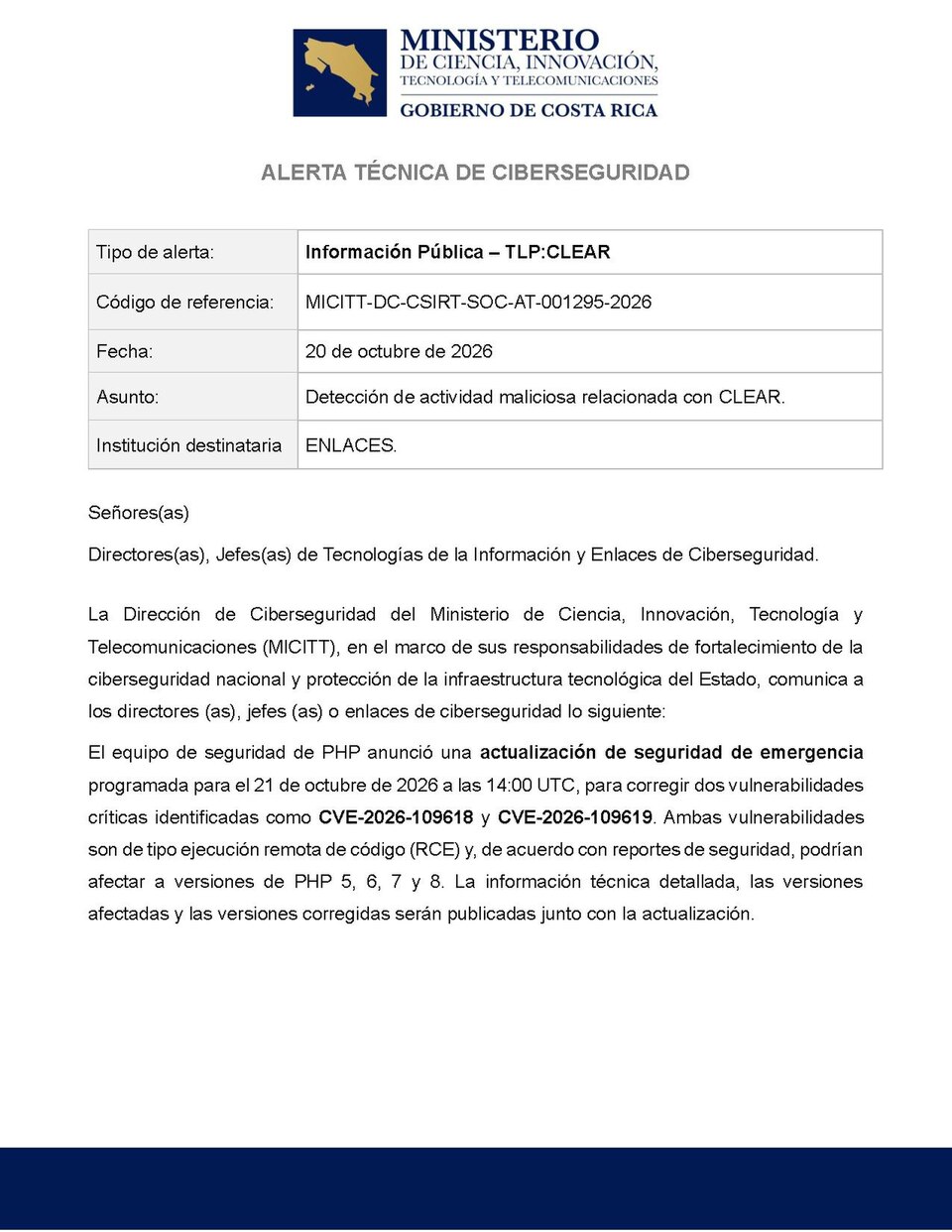
Cybersecurity firm Calif, led by CEO Thai Duong and engineer Bruce Dang, identified a long-dormant vulnerability in PHP — the language powering roughly 70% of websites — using frontier AI models. The discovery, revealed on Bloomberg's Odd Lots podcast, highlights AI's growing role in securing critical open-source infrastructure.
The PHP vulnerability underscores a systemic risk in the digital economy: the world's most pervasive software infrastructure relies on under-resourced open-source maintenance. As Alphabet and other hyperscalers integrate AI into core products, the Calif case demonstrates how the same models driving commercial innovation can harden the underlying code base. Historically, such supply-chain flaws have triggered mass patching cycles, diverting engineering capacity from revenue-generating features to emergency remediation.
Market Impact & Transmission Channels
The transmission mechanism runs from open-source risk to enterprise software budgets and cybersecurity valuations. When a ubiquitous component like PHP is compromised, CISOs accelerate spending on application security testing, runtime protection, and software bill-of-materials (SBOM) tooling. This benefits pure-play vendors such as CrowdStrike, Palo Alto Networks, and Snyk, while pressuring cloud providers to embed automated vulnerability scanning into managed services. Simultaneously, the successful use of frontier AI for bug hunting validates the ROI narrative for generative AI coding assistants, potentially shortening sales cycles for GitHub Copilot, Amazon CodeWhisperer, and similar tools.
"The Calif discovery proves AI can turn the asymmetry of defense — where attackers need one flaw and defenders must patch all — into a scalable advantage, provided the models are trained on vulnerability patterns rather than just syntax."
Capital allocation will likely shift toward platforms that combine large-language-model reasoning with deterministic program analysis. Investors should watch for M&A activity as legacy static-analysis vendors acquire AI-native startups to close the detection gap before the next Log4j-scale event.
Key Takeaways for Investors
- Monitor: Adoption rates of AI-augmented SAST/DAST tools in the next two quarterly earnings cycles across the cybersecurity sector.
- Expect: Cloud hyperscalers to bundle automated vulnerability remediation into premium managed-runtime tiers, expanding average revenue per user.
- Assess: Portfolio exposure to companies with heavy PHP-dependent technical debt lacking automated patch pipelines.
- Evaluate: Allocating to cybersecurity ETFs or baskets weighted toward AI-native application-security vendors versus legacy signature-based incumbents.
Frequently Asked Questions
How did AI models discover a PHP vulnerability that human researchers missed for years?
Frontier models trained on vast code corpora and vulnerability databases can pattern-match subtle logic flaws across millions of lines faster than manual audit. Calif researchers fed the PHP codebase to these models, which flagged the dormant bug by recognizing exploit primitives invisible to traditional static analysis.
Does this discovery reduce systemic cyber risk or merely shift the attack surface?
It reduces risk in the specific component patched but accelerates an arms race: threat actors now also wield AI to find zero-days at scale. Net risk declines only if defensive AI deployment outpaces offensive adoption across the open-source ecosystem.