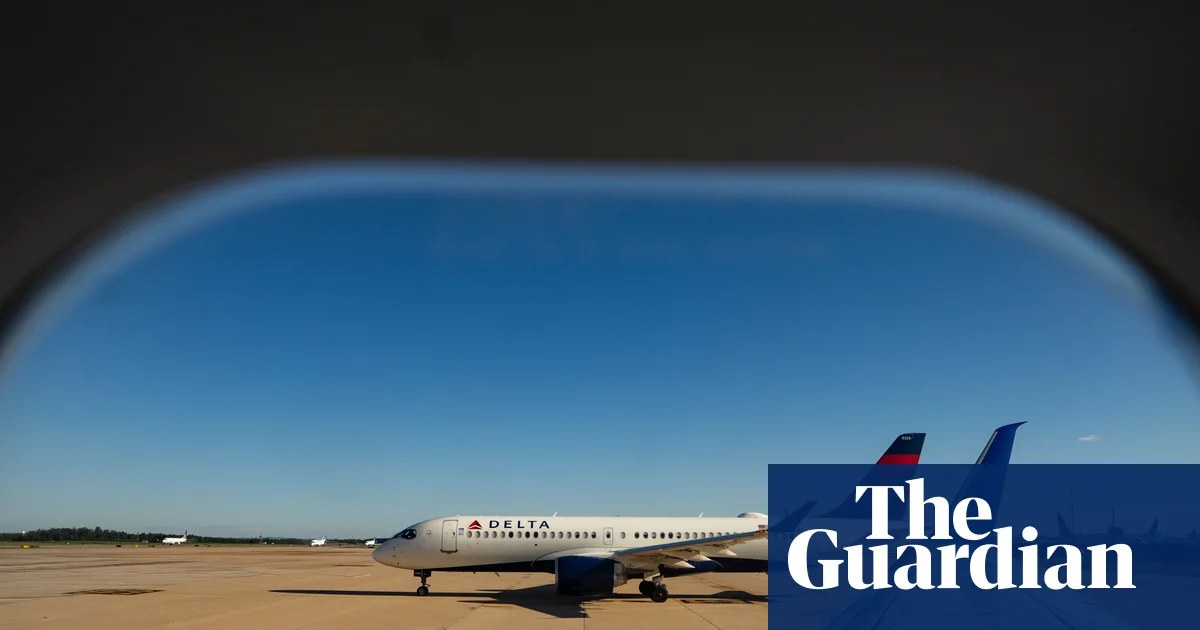
The Federal Trade Commission has ordered nine major corporations — including Delta, United, JetBlue, Uber, Lyft, DoorDash, Instacart, Target, and Walmart — to turn over detailed information on how algorithms and loyalty programs set individualized prices for consumers and wages for gig workers, escalating a federal probe into 'surveillance pricing' practices.
Key Takeaways
- FTC issued compulsory orders to nine companies across airlines, ride-share, delivery, and retail sectors
- Inquiry covers both consumer price discrimination and algorithmic wage-setting for gig workers
- FTC lacks fining authority over airlines (Delta, United, JetBlue) under current statute
- Investigation builds on July 2024 vendor inquiry and January 2025 FTC findings on location-based pricing
- Outcome uncertain: former Commissioner Chopra notes prior studies rarely produced rulemaking
Scope of the Compulsory Orders
The FTC's demands require companies to 'turn over information that will allow the agency to assess whether the pricing for a ticket, ride share, food delivery or other product or service varies from one person to the next based on factors such as participation in loyalty programs or analysis of personal data by super-intelligence algorithms,' the agency said. The inquiry covers both consumer-facing prices — airline tickets, ride fares, delivery fees, retail goods — and the algorithmic determination of pay for gig workers on platforms such as Uber, Lyft, DoorDash, and Instacart.
Jurisdictional Limits and Airline Exemption
A critical constraint shapes the investigation: the FTC is tasked with policing 'unfair or deceptive acts or practices' in industries except banking and airlines, meaning it cannot impose fines or regulations on the three carriers named — Delta, United, and JetBlue. While the agency can compel data production, any enforcement action against airlines would require coordination with the Department of Transportation or congressional action. The ride-share and retail respondents remain fully exposed to FTC enforcement authority.
Background: From Vendor Inquiry to Platform Scrutiny
The current action follows a July 2024 Biden administration inquiry that demanded information from surveillance-pricing vendors including McKinsey and JPMorgan Chase. In January 2025, the FTC found that 'details like a person's precise location or browser history can be frequently used to target individual consumers with different prices for the same goods and services.' Multiple states have since introduced legislation to ban surveillance pricing and electronic shelf labels that enable real-time price discrimination.
Impact Analysis: Sector Exposure and Compliance Burden
For ride-share and delivery platforms, the inquiry threatens core business models that rely on dynamic pricing algorithms to balance supply and demand. Retailers Target and Walmart face scrutiny over loyalty-program data and potential use of electronic shelf labels for personalized pricing. Airlines, while shielded from direct FTC penalties, risk reputational damage and potential DOT referral. Compliance costs for responding to compulsory process will be substantial across all nine firms.
Forward Outlook: Rulemaking Prospects and State Action
Whether the inquiry yields substantive rulemaking remains uncertain. Former FTC Commissioner Rohit Chopra, now heading California's Business and Consumer Protection Agency, warned: 'What we have seen so far is that they have not been using these studies that produce meaningful reports that ultimately lead to any rule-making changes.' The FTC must now analyze responses, determine if practices violate Section 5 of the FTC Act, and decide whether to pursue enforcement against non-airline respondents or recommend legislative fixes for the airline gap.