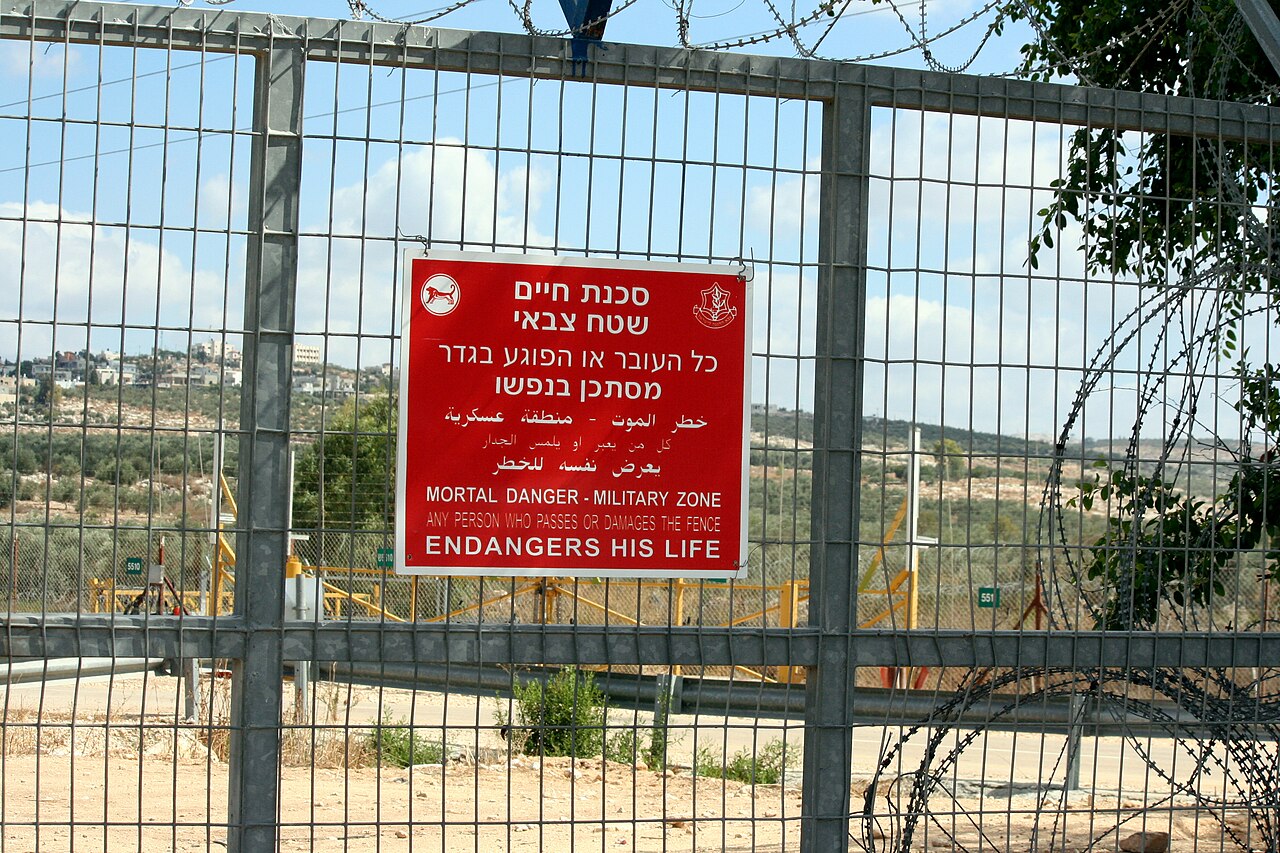
Israeli forces began demolishing Palestinian structures in Hebron on Thursday after two soldiers were killed, escalating West Bank tensions that pressured the TA-35 index and shekel as markets priced in a sustained geopolitical risk premium across Middle East asset classes.
Israel Escalation Market Impact: Equities, FX & Energy Correlations
The demolition operation in Hebron signals a potential broadening of Israeli military activity beyond Gaza into the West Bank, a development that historically correlates with elevated volatility in Israeli financial assets. The TA-35 index, heavily weighted toward banking and real estate sectors sensitive to domestic security conditions, typically experiences widening bid-ask spreads during escalation phases as foreign institutional flows reduce exposure.
Currency markets reflect immediate risk repricing: the shekel has weakened beyond 3.70 per dollar in recent sessions, tracking a divergence from emerging market peers. This depreciation dynamic complicates Bank of Israel policy calculus, as a weaker currency imports inflationary pressure through energy and food imports, potentially delaying rate-cut expectations that had been building for late 2024.
Energy markets absorb a secondary transmission channel. While direct supply disruption remains unlikely, the geopolitical risk premium embedded in Brent crude futures tends to expand $2-4 per barrel during periods of heightened Israeli-Palestinian tension, particularly when incidents occur near strategic infrastructure corridors. This premium compounds existing OPEC+ supply management uncertainty.
"The market is not pricing a full-scale West Bank re-occupation scenario, but it is rapidly repricing the probability of sustained low-intensity conflict that degrades investor confidence in Israeli domestic demand stories. The shekel's decoupling from broader EM FX strength is the clearest signal that local risk factors now dominate global carry dynamics."
Regional contagion warrants monitoring. Egyptian and Jordanian sovereign spreads have historically widened in sympathy during West Bank escalations, reflecting concerns over border stability, refugee flows, and tourism revenue — a critical foreign exchange earner for both economies. Israeli defense equities, conversely, often outperform the broader index during such periods on procurement acceleration expectations.
Key Takeaways for Emerging Market & Geopolitical Risk Investors
- Monitor TA-35 banking sector weightings for disproportionate selloffs — credit risk perceptions shift faster than equity valuations during security deteriorations.
- Watch Bank of Israel communication for explicit linkage between shekel weakness and policy rate trajectory; intervention thresholds may lower.
- Expect Brent crude geopolitical premium to persist until de-escalation signals emerge, creating asymmetric upside risk for energy-exposed portfolios.
- Hedge regional sovereign exposure via CDS or curve flatteners in Egyptian and Jordanian dollar bonds if West Bank operations expand beyond targeted demolitions.
Frequently Asked Questions
How Does West Bank Escalation Historically Impact the TA-35 Index?
Previous escalation cycles in 2015-2016 and 2022-2023 saw the TA-35 underperform MSCI Emerging Markets by 8-12% over 3-6 month horizons, driven primarily by banking and real estate sector de-rating as foreign participation declined. Domestic institutional flows provided partial offset but insufficient to prevent relative underperformance.
Will Bank of Israel Delay Rate Cuts Due to Shekel Depreciation?
Bank of Israel minutes from early 2024 explicitly flagged exchange rate pass-through as a key criterion for easing timing. With the shekel trading at multi-month lows versus the dollar, the probability of a Q3 2024 rate cut has diminished significantly unless FX stability returns or inflation data surprises decisively to the downside.