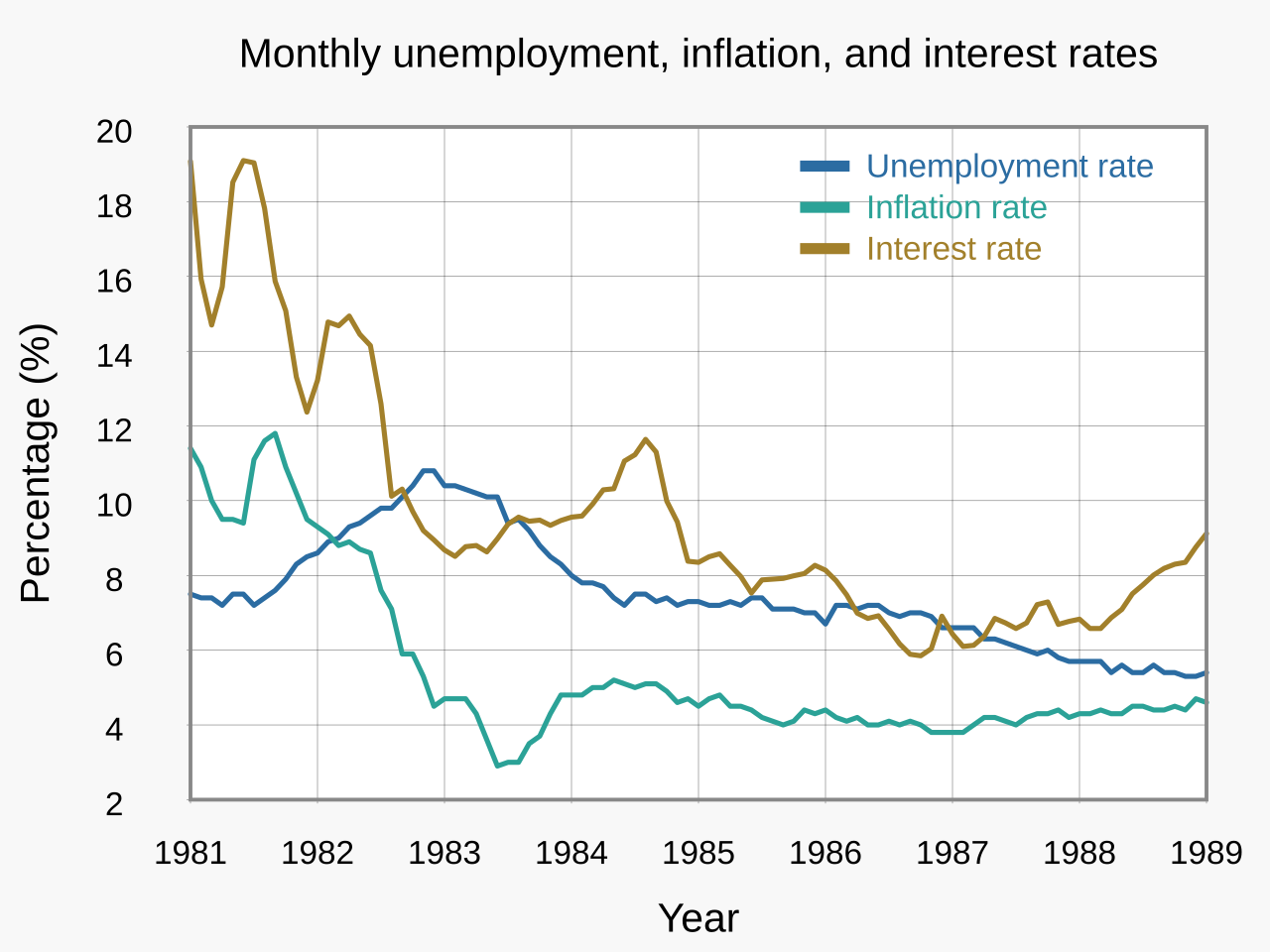
The Federal Reserve faces renewed pressure to maintain restrictive policy after inflation showed signs of reacceleration alongside a resilient labor market on October 27, 2026, strengthening the higher-for-longer narrative that weighs on rate-sensitive equities and lifts terminal rate expectations across global bond markets.
Fed Policy Outlook: Inflation Reacceleration Reshapes Rate Trajectory
The convergence of sticky price pressures and labor market durability creates a vexing policy dilemma: the Fed cannot declare victory on disinflation while unemployment remains near historic lows. This dynamic pushes the terminal rate debate higher, with swaps markets repricing the peak funds rate toward 5.5% from 5.25% prior to the data. The transmission mechanism operates through three channels: tighter financial conditions via higher long-term yields, reduced corporate investment appetite as hurdle rates rise, and a stronger dollar that exports disinflation to trading partners but strains emerging market balance sheets.
Equity markets have yet to fully price this regime shift. The tech sector's recent rally priced an aggressive 2027 easing cycle that now looks premature. Valuation multiples for growth stocks remain elevated relative to the new rate reality, suggesting further compression risk if the Fed signals persistence at the December meeting. Meanwhile, European central banks face asymmetric pressure: the ECB may cut while the Fed holds, widening rate differentials and pressuring the euro.
"The Fed's reaction function has shifted from 'how fast to cut' to 'whether to hike again.' With core services inflation running above 4% and the unemployment rate below 4%, the burden of proof has flipped — the market must now justify why rates shouldn't rise further, not when they'll fall."
Fixed income positioning reflects this asymmetry. Two-year Treasury yields have outperformed ten-years, steepening the curve's front end — a classic bear-steepening pattern that historically precedes equity drawdowns when driven by hawkish repricing rather than growth optimism. Credit spreads remain tight, implying low default expectations that could prove complacent if higher rates persist into 2027 maturities.
Key Takeaways for Macro-Focused Investors
- Monitor core services CPI and wage growth for confirmation that inflation momentum is structural, not transitory.
- Watch the December dot plot for median terminal rate projections — a shift above 5.25% would validate the higher-for-longer thesis.
- Expect continued dollar strength against G10 peers, creating headwinds for multinational earnings and emerging market debt service.
- Hedge duration risk in portfolios via floating-rate exposure or short-duration bias until the inflation trajectory visibly improves.
Frequently Asked Questions
Will the Federal Reserve Raise Interest Rates Again in 2026?
Current market pricing implies a 35% probability of one additional 25 basis point hike by year-end, contingent on November CPI and payrolls data. The Fed has emphasized data dependence, so a reacceleration in core services inflation would increase those odds materially.
How Does Higher-for-Longer Impact Technology Stock Valuations?
Higher terminal rates disproportionately pressure long-duration growth equities by raising the discount rate applied to distant cash flows. A 50 basis point increase in the terminal rate assumption can compress forward P/E multiples on mega-cap tech by 10-15% without any earnings revision.