Sticky US Services CPI Delays Fed Pivot, Pressures Emerging Markets
The Bureau of Labor Statistics reported persistent services inflation on October 14, 2026, with food, airfare, and streaming costs accelerating, reinforcing the Federal Reserve's higher-for-longer stance and pressuring emerging market currencies as traders aggressively pare back September rate-cut bets.
US Services Inflation Impact: Fed Policy Transmission to Emerging Markets
The latest CPI print reveals a troubling divergence: goods disinflation continues while services — shelter, transportation, and digital subscriptions — remain sticky. Food-at-home prices rose 1.2% month-over-month, airfare surged 4.7%, and streaming services hiked subscription fees, reflecting pricing power in oligopolistic sectors. This composition matters critically for the Fed's reaction function. Chair Powell has repeatedly emphasized that services ex-housing — the "supercore" metric — must decelerate sustainably before easing begins.
Markets now price less than 40 basis points of cuts by year-end, down from 75 bps pre-report. The two-year Treasury yield climbed 12 bps to 4.38%, widening the yield differential versus EM policy rates. Capital flows have reversed: EPFR data shows $3.2B outflows from EM debt funds last week, the largest since March. Currencies from the Mexican peso to the Indonesian rupiah weakened 1.5-2.2% against a resurgent dollar.
"Services inflation is the final boss for the Fed. Until we see sequential cooling in airfare, motor vehicle insurance, and digital services — sectors with limited import competition — the FOMC cannot credibly signal a pivot. Emerging markets are absorbing the spillover through tighter financial conditions and reserve losses."
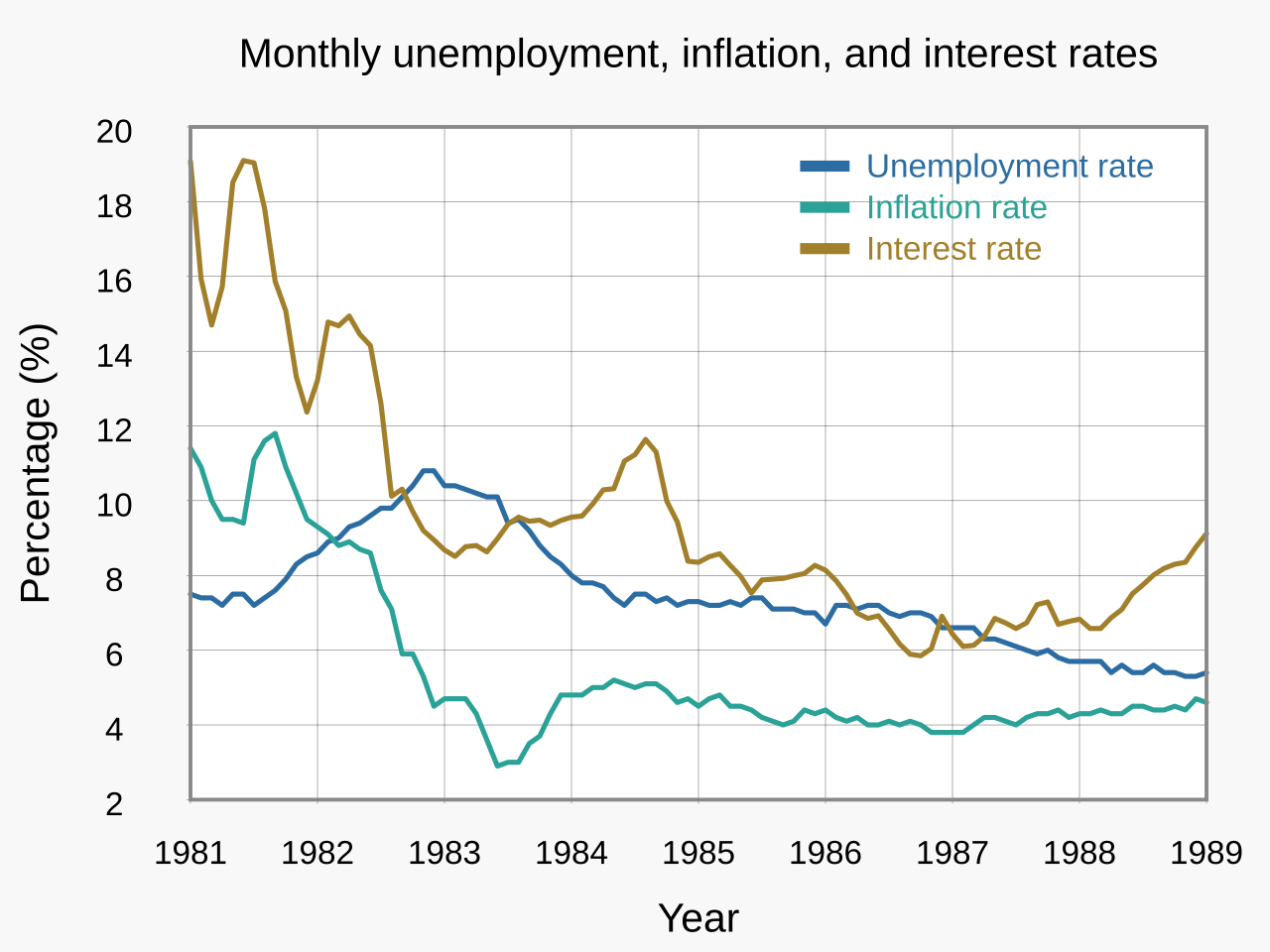
Historical precedent supports caution. In 1983-84 and 2004-06, premature easing amid sticky services reignited inflation, forcing sharper subsequent hikes. The Fed's institutional memory makes a "one-and-done" cut unlikely; they will demand three consecutive months of supercore below 0.25% m/m. That timeline pushes the first cut to Q1 2027 at earliest, assuming no supply shocks.
For equity investors, the implication is clear: duration-sensitive growth stocks face continued headwinds. The Nasdaq 100's forward P/E compressed to 24x from 26x pre-CPI. Conversely, energy and materials — natural inflation hedges — outperformed. The US CPI pressure on the dollar and delayed Fed easing creates a feedback loop: stronger dollar tightens global dollar funding, pressuring EM corporates with unhedged USD debt.
Key Takeaways for Macro Traders
- Monitor supercore services CPI (ex-housing) for three consecutive prints below 0.25% m/m before positioning for Fed easing.
- Watch EM FX reserves and local currency bond yields — countries with high short-term external debt (Turkey, Argentina, Pakistan) face acute rollover risk.
- Expect continued sector rotation from long-duration growth to real assets; energy infrastructure and commodity producers offer positive carry in this regime.
- Hedge dollar exposure via long USD/EM FX option structures; implied vol remains cheap relative to realized given the asymmetric Fed risk.
Frequently Asked Questions
Will the Fed Cut Rates in 2026 Given Sticky Services Inflation?
Probability is low before Q1 2027. The FOMC requires sustained supercore deceleration, which current momentum in airfare, food, and digital services suggests remains quarters away. Markets pricing cuts in 2026 risk disappointment.
How Does US Services Inflation Impact Emerging Market Currencies?
Sticky US services inflation keeps the Fed restrictive, widening rate differentials and strengthening the dollar. This triggers capital outflows from EM, depreciating local currencies and forcing EM central banks to hike or intervene, tightening domestic financial conditions.